
Open your bag right now. How many different charging cables do you carry? One for your phone, another for your laptop, maybe a third for your earbuds or power bank. In 2026, that mess is finally ending. USB C is quietly becoming the single port that powers, connects, and even displays video on almost every gadget you own.
This isn’t just about convenience. It’s about regulation, technology, and a global shift toward a simpler, more sustainable digital life.
One Port to Rule Them All
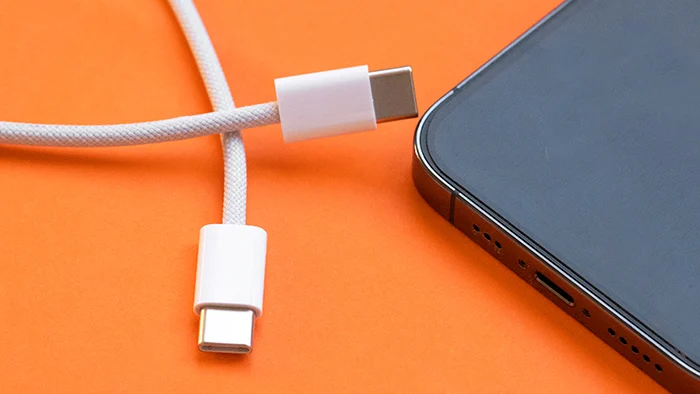
USB C (officially USB Type‑C) was designed from day one to be universal. Unlike the old rectangular USB‑A or the tiny Micro‑USB, USB C is:
- Reversible – No more “which side is up?” struggles.
- Compact – Small enough for slim phones and thin laptops.
- Multifunction – A single cable can carry power, data, and video at the same time.
Also Read: USB PD Explained: USB Type-C Power Delivery Explained!
That means your next laptop, phone, tablet, monitor, and even some scooters or cameras can all talk to each other through the same physical connector.
Regulation Pushed the Switch
Technology alone didn’t kill the cable jungle. Law did.
The European Union’s Common Charger Directive made USB C mandatory for most portable electronics:
- From late 2024: phones, tablets, cameras, headphones, and more sold in the EU must use USB C.
- From April 2026: laptops under 100W also must support USB C charging.
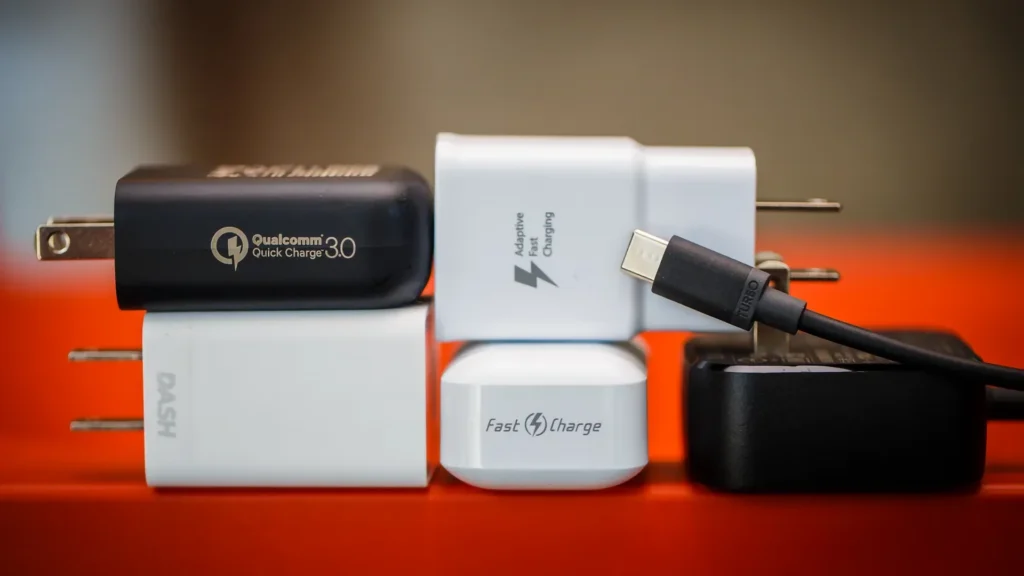
Apple moved the iPhone to USB C with the iPhone 15 in 2023. Samsung, Google, Microsoft, and almost every major brand now use USB C as the default on new devices.
Also Read:
Once the world’s biggest brands standardize, the entire supply chain follows. Chargers, cables, docks, power banks, car adapters – everything is being redesigned around USB C.
Power: From Earbuds to Laptops on One Charger
Old USB‑A ports typically delivered around 5–12W, enough for phones but not serious devices. USB C with USB Power Delivery (PD) changed that completely:
- Standard USB C: up to ~15W without PD.
- USB PD 3.0: up to 100W (enough for most laptops).
- USB PD 3.1: up to 240W, supporting high‑performance laptops, monitors, and even some small desktops.
In practice, this means:
- One 65–100W USB C charger can power your phone, tablet, and laptop.
- Fast charging becomes normal: 50%+ in 30 minutes on many phones with the right USB C PD charger.
- Fewer chargers in your home, less e‑waste, and lower long‑term cost.

For Indian users juggling multiple devices and frequent power cuts, a single good USB C GaN charger is now the smartest buy.
Speed: Data and Video in One Cable
USB C isn’t just about charging. It’s also the physical port behind the fastest data and display standards:
- USB 3.2 Gen 2: up to 10 Gbps.
- USB4: up to 40 Gbps.
- USB4 Version 2: up to 80 Gbps in newer implementations.
At the same time, USB C supports Alternate Modes like DisplayPort and Thunderbolt, so one cable can:
- Connect your laptop to a 4K (or even 8K) monitor.
- Drive docking stations with multiple displays, Ethernet, and USB hubs.
- Link portable monitors and gaming handhelds directly to phones or laptops.
That’s why modern ultrabooks are dropping HDMI, Ethernet, and even barrel‑plug power in favor of a few USB C / Thunderbolt ports.
Sustainability: Less E‑Waste, More Sense
Every proprietary charger that gets thrown away is plastic, copper, and electronics in a landfill. The EU estimates that a common charger will:
- Cut around 11,000 tonnes of e‑waste per year in the EU alone.
- Save consumers roughly €250 million annually by reducing duplicate chargers.
Globally, the effect is similar: fewer unique cables, longer device lifespans, and easier repairs. For a country like India, where electronics recycling is still a challenge, this matters.
What This Means for You (Especially in India)
If you’re buying tech in 2026, think “USB C first”:
- Phones: Almost every new Android and iPhone now uses USB C.
- Laptops: Most new models charge over USB C, even if they keep a second port for legacy.
- Accessories: Power banks, earbuds, speakers, and portable monitors increasingly use USB C only.
Smart buying strategy:
- Pick a 65–100W USB C GaN charger with 2–3 ports.
- Use good quality USB C to USB C cables rated for PD and your desired data speed.
- Keep a few USB‑A ports or hubs for older devices, but plan your next upgrades around USB C.

Over time, you’ll carry one charger, one or two cables, and still power everything.
The Bottom Line
USB C is replacing everything because it finally delivers on the old promise of “one cable for all”: reversible design, high power, blazing data speeds, and video over a single connector, backed by strong regulation and industry adoption.
If you’re building a PC setup, upgrading your phone, or just tired of cable chaos, treating USB C as your default is no longer futuristic. It’s the practical, budget‑friendly choice for 2026 and beyond.