
A smartphone with a 200MP camera sounds absolutely insane. After all, if a 50MP camera can take detailed photos, a 200MP camera should theoretically be four times better, right? Not really. In fact, a good 50MP smartphone camera can easily produce better-looking photos than a 200MP camera. That’s because megapixel count is only one part of smartphone photography. Sensor size, lens quality, pixel size, optical image stabilization, image processing and even lighting can have a much bigger impact on the final image. So why are smartphone manufacturers putting 200MP cameras on phones? And more importantly, do you actually need one? Let’s find out.
What Does 200MP Actually Mean?
MP stands for megapixels. One megapixel represents approximately one million pixels. So a 200MP camera sensor can theoretically capture an image containing around 200 million pixels. That sounds impressive, but there’s an important distinction: More pixels don’t automatically mean better pixels.
Imagine taking a photo with two cameras:
- Camera A: 200MP with a relatively small sensor
- Camera B: 50MP with a larger, higher-quality sensor
The 50MP camera could still produce a significantly better image, particularly in low light.
Why?
Because the sensor has to physically collect light—and sensor size and pixel architecture matter enormously.
200MP vs 50MP: Why More Megapixels Don’t Automatically Win
Here’s where smartphone camera marketing can become misleading. A 200MP sensor has a huge number of individual pixels packed onto the sensor. But if the sensor itself isn’t particularly large, those pixels can be extremely small. Smaller pixels generally have less light-gathering capability individually, although modern sensor designs and computational photography can compensate for this to a significant degree.
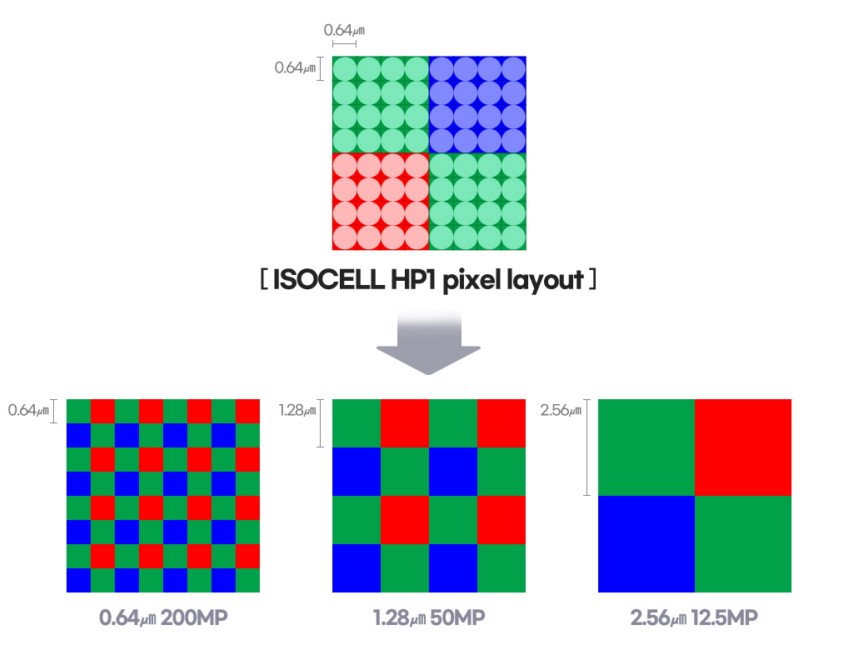
A larger sensor can provide advantages such as:
- Better light gathering
- Lower noise
- Better dynamic range
- Improved low-light performance
- More natural background separation
- Greater flexibility for image processing
So simply looking at “200MP” tells you very little about the actual camera quality.
The Secret Weapon: Pixel Binning
This is one of the most important things to understand about high-megapixel smartphone cameras. Your 200MP camera often doesn’t actually produce 200MP photos by default.
Instead, it may use a technique called pixel binning. Pixel binning combines information from multiple neighboring pixels to create a larger effective pixel. For example, depending on the sensor, a 200MP camera may combine pixels to produce a much lower-resolution final image. The exact binning method varies by sensor.
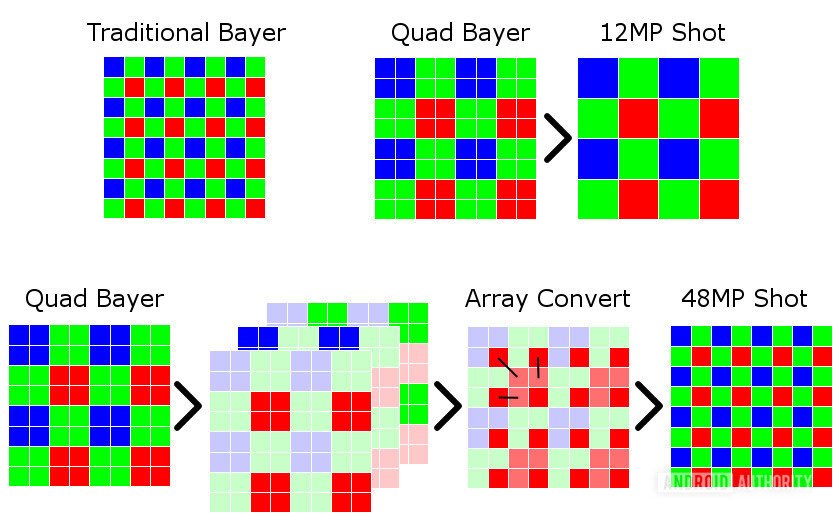
Why do this?
Because a lower-resolution binned image can offer better:
- Light sensitivity
- Noise performance
- Dynamic range
- Processing efficiency
So ironically, your 200MP smartphone may spend most of its time not taking 200MP photos.
So Why Put 200MP Cameras in Smartphones?
If most people don’t need 200MP images, why are manufacturers using these sensors? There are actually some legitimate reasons.
1. Cropping and Digital Zoom
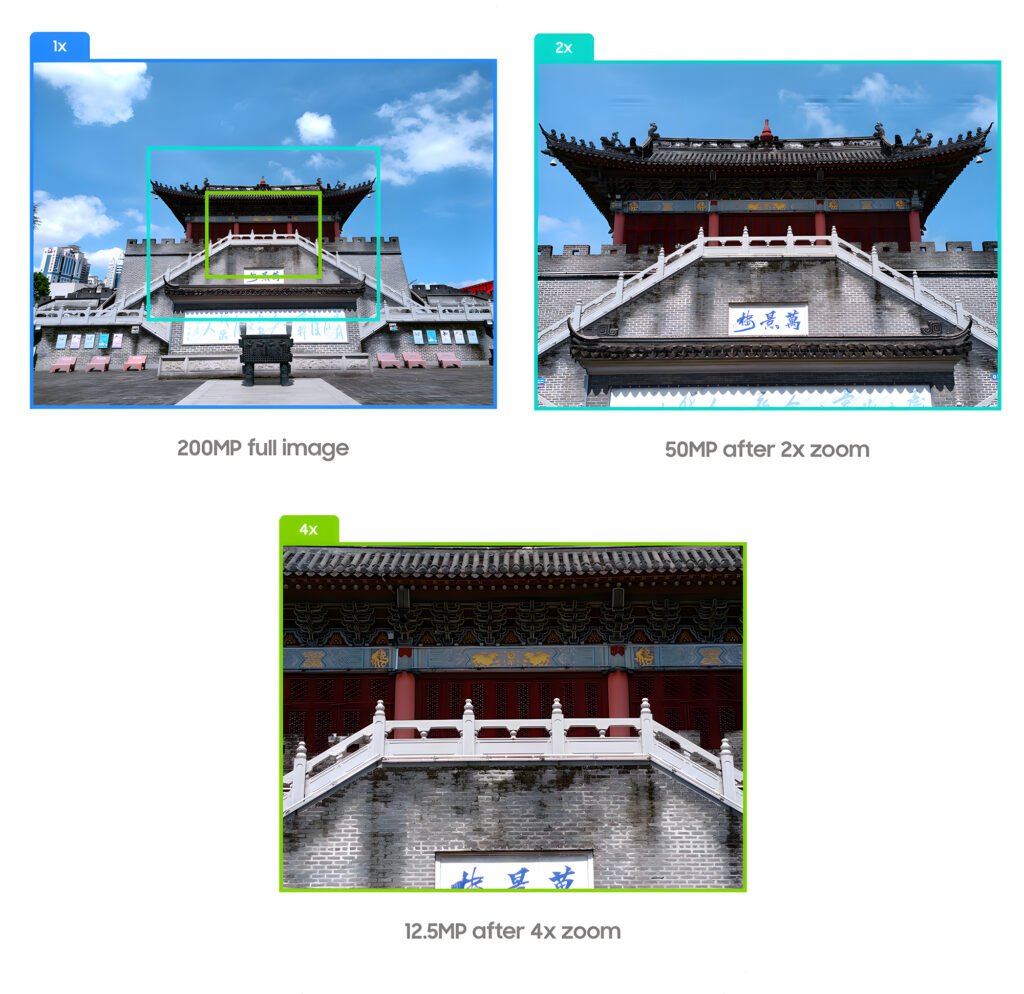
This is probably the biggest practical advantage. A high-resolution sensor gives the phone more image data to work with. For example, if you’re photographing something far away, the phone can crop into the original image while retaining more detail than it might with a lower-resolution sensor.
This can be useful for:
- Digital zoom
- Cropping
- Document photography
- Landscape photography
- Outdoor photography
But remember: More megapixels don’t magically turn digital zoom into optical zoom. A dedicated telephoto camera can still be much better for long-range photography.
2. Better Binned Images
A high-resolution sensor can combine multiple pixels into fewer output pixels. This gives smartphone manufacturers more flexibility when designing their image-processing pipeline.
Instead of simply saying:
“200MP means 200MP photos.”
Think of it as:
“200MP gives the camera a huge amount of raw image data to work with.” That’s a much more accurate way to understand it.
3. Marketing
Let’s be honest.
200MP sounds amazing on a smartphone specification sheet.
50MP?
100MP?
200MP?
The bigger number immediately grabs attention.
For consumers who don’t know much about camera sensors, it can create the impression that:
200MP > 108MP > 50MP > 12MP
But smartphone photography simply doesn’t work that way. A 12MP flagship camera can sometimes outperform a much higher-megapixel budget camera because the overall camera system is better.
The Sensor Matters More Than the Megapixel Count
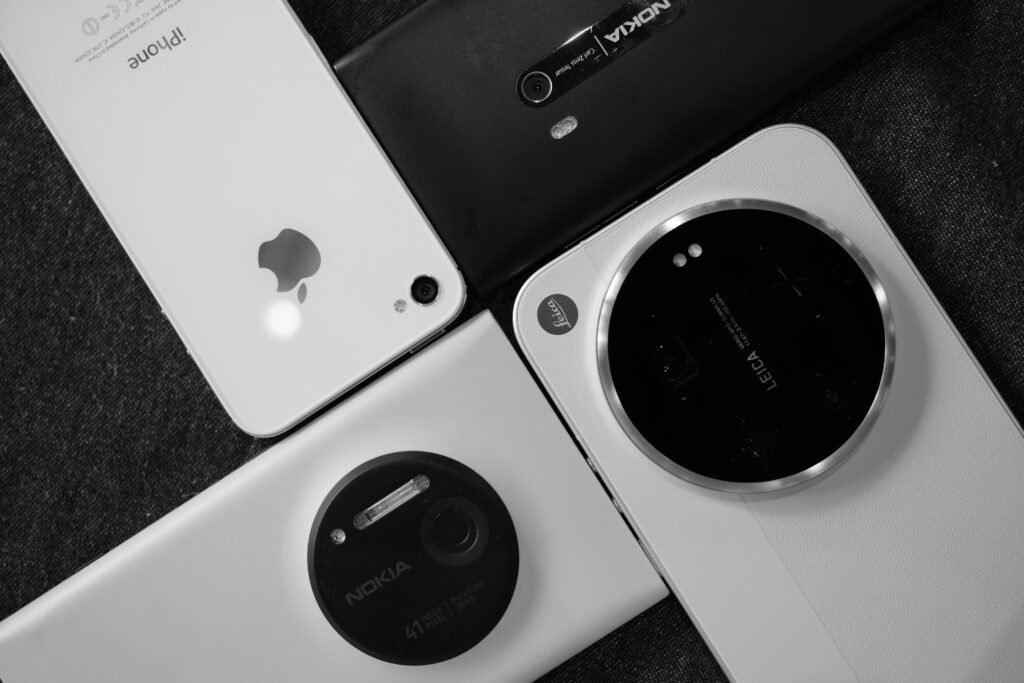
If you’re comparing smartphone cameras, one of the first things you should look at is sensor size. A larger sensor can capture more light, assuming other factors are comparable. And light is everything in photography. When there isn’t enough light, cameras have to increase exposure through techniques such as higher ISO or longer exposure times, which can introduce noise or motion blur. A better sensor can give the phone more information to work with.
That’s why a phone with a 50MP large sensor can potentially produce a cleaner and more detailed night photo than a phone with a 200MP smaller sensor.
Lens Quality Matters Too
The sensor isn’t the only hardware that matters. You can have an incredible sensor, but if the optics in front of it aren’t good enough, you won’t get the full benefit.
A smartphone camera also depends on:
- Lens quality
- Aperture
- Optical stabilization
- Autofocus system
- Sensor design
- Image signal processor
This is why simply comparing megapixels between two phones is a poor way to judge their cameras.
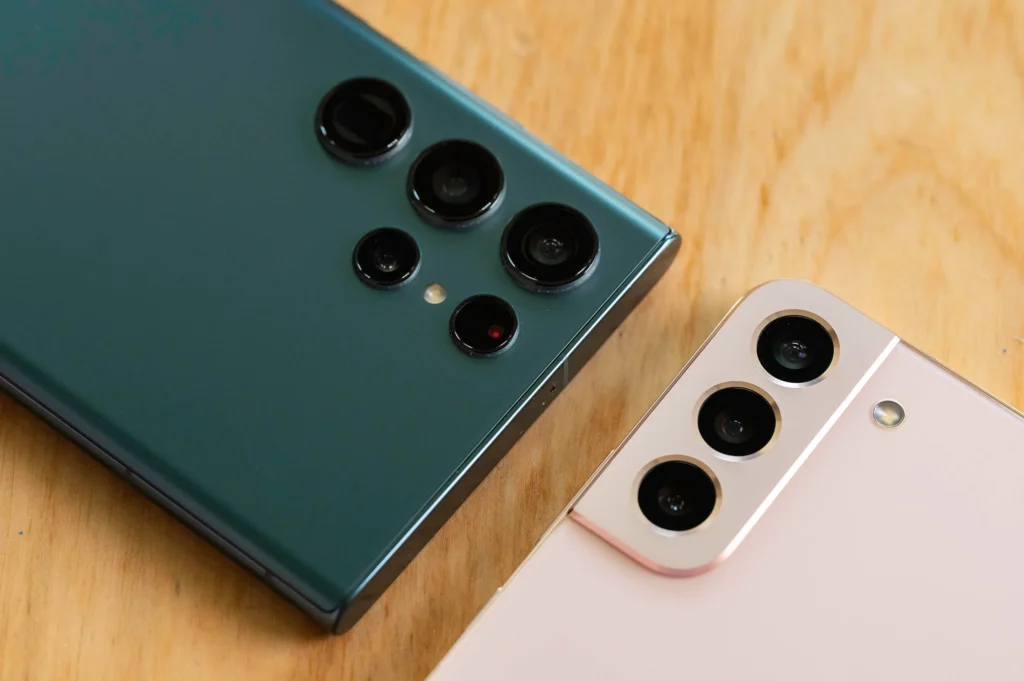
Image Processing Can Make an Even Bigger Difference
Modern smartphone photography isn’t just about hardware. Your phone’s processor and camera software perform a huge amount of work after you press the shutter. The phone may combine multiple frames and apply computational photography techniques to improve:
- HDR
- Shadows
- Highlights
- Noise reduction
- Sharpening
- Skin tones
- White balance
- Night photography
Two phones using similar sensors can therefore produce very different-looking images. This is one reason flagship smartphones can outperform phones with seemingly better camera specifications.
When Does 200MP Actually Make Sense?
So, is 200MP completely useless?
No.
There are situations where it can genuinely help. A 200MP camera can be useful if you frequently:
Crop Photos
If you take a photo and later crop heavily into it, having more source resolution can preserve more detail.
Use Digital Zoom
High-resolution sensors can provide additional data for computational zoom and cropping.
Shoot in Good Lighting
In bright conditions, a high-resolution sensor can potentially capture a lot of fine detail.
Photograph Documents
Extra resolution can be useful when photographing text or documents, although autofocus and lens quality remain important.
But these benefits don’t mean that everyone needs 200MP.
Why 200MP Can Actually Be a Disadvantage
There are also some downsides.
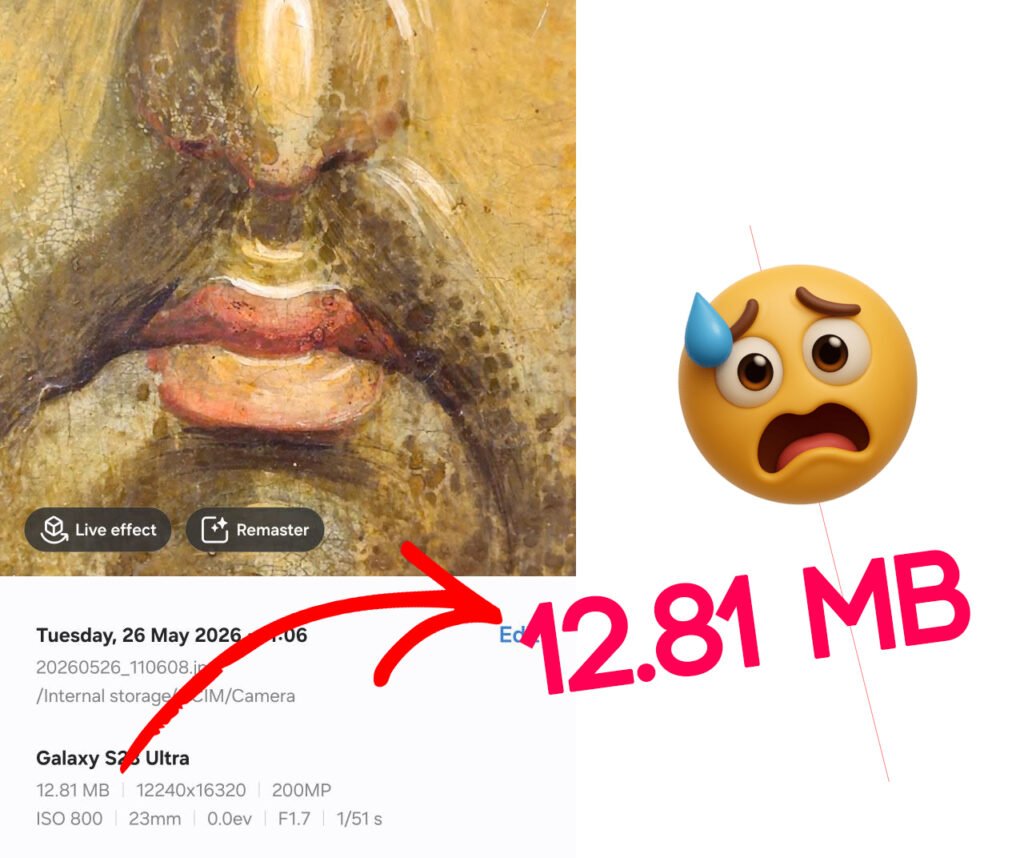
Huge File Sizes
A genuine 200MP image contains an enormous amount of image data.
That can mean:
- Larger files
- More storage usage
- More processing
- Longer processing times
- More demanding image editing
And if you’re uploading the photo to social media, much of that resolution may be compressed away anyway.
You Probably Don’t Need 200MP for Instagram
Here’s the reality for most smartphone users.
You take a photo.
You upload it to:
- X
- Snapchat
Or you simply view it on your smartphone. In these situations, you aren’t going to see the full benefit of 200 million pixels. The platform may resize and compress your image. And your phone’s display itself has a finite resolution. So unless you’re doing serious cropping, editing or printing, 200MP can be excessive.
50MP Can Be More Than Enough
For everyday smartphone photography, 50MP is already an enormous amount of resolution. In fact, many flagship phones deliberately use relatively modest megapixel counts while concentrating on:
- Larger sensors
- Better lenses
- Better stabilization
- Better autofocus
- Better HDR
- Better computational photography
And the results can be excellent.
This is why you shouldn’t automatically assume that a 200MP camera will beat a 50MP flagship camera.
Don’t Judge a Smartphone Camera by Megapixels
If you’re buying a smartphone primarily for its camera, don’t just look at the number printed on the specification sheet. Instead, consider the complete camera system.
Look at:
1. Sensor size
Larger sensors can offer significant advantages.
2. Lens quality
Good optics are essential.
3. OIS
Optical image stabilization helps with camera shake, particularly in low light.
4. Autofocus
Fast and accurate focusing can make a huge difference.
5. Image processing
Computational photography can dramatically affect the final image.
6. Telephoto hardware
A real telephoto camera is much more useful for serious zoom than simply adding megapixels.
7. Real-world camera samples
Specifications are useful, but actual photos tell you much more.
So, Are 200MP Smartphone Cameras Useless?
Not exactly.
The problem isn’t the 200MP sensor itself. The problem is believing that 200MP automatically means better photography. It doesn’t. A high-resolution sensor can be extremely useful for cropping, digital zoom and extracting more detail in good lighting. But for everyday photography, factors such as sensor size, optics, stabilization and computational photography can matter much more than the megapixel number.
So the next time you see a smartphone advertised with a massive 200MP camera, don’t immediately assume it’s going to take better photos than a 50MP phone.
Because in smartphone photography:
200MP is a specification—not a guarantee of image quality. And sometimes, 50 great megapixels are better than 200 average ones.
FAQ
Is a 200MP smartphone camera better than a 50MP camera?
Not necessarily. Image quality depends on the sensor, lens, stabilization, processing and lighting—not just megapixel count.
Do 200MP cameras take 200MP photos?
They can, but many smartphones use pixel binning to produce lower-resolution images by combining data from multiple sensor pixels.
Is 200MP useful for zoom?
It can help with digital zoom and cropping because the phone has more source image data. However, a dedicated optical telephoto camera can still provide better long-range zoom.
Is 50MP enough for a smartphone camera?
Yes. For most users, 50MP provides more than enough resolution for everyday photography, social media and moderate cropping.
Does a higher megapixel count improve low-light photography?
Not automatically. Low-light performance depends heavily on sensor design, pixel architecture, optics, stabilization and computational photography.
Should I buy a phone just because it has a 200MP camera?
No. Compare the entire camera system and look at real-world camera samples before buying.