
Tomb Raider is entering one of the most interesting phases in its long history. With a new remake of Lara Croft’s original 1996 adventure and fresh talk around a more unified future for the franchise, many fans are asking the same question: how does this all connect to the Survivor trilogy from TR2013, Rise of the Tomb Raider, and Shadow of the Tomb Raider?

The short answer is that Tomb Raider is no longer being treated as a single straight line. Instead, the franchise is being shaped into a more flexible timeline structure where different eras of Lara Croft can coexist, overlap, or be reimagined. That gives developers more freedom while also letting longtime fans see familiar moments in a new way.
Tomb Raider’s Timeline Problem
Tomb Raider has always been a franchise with history, but that history is complicated. The original Core Design games introduced Lara Croft in 1996 and built a classic version of the character over several sequels. Then the Legend timeline arrived with Tomb Raider: Legend, Anniversary, and Underworld, creating a different continuity. Later, Crystal Dynamics rebooted Lara again in 2013 with a younger, more grounded version of the character.

This means Tomb Raider has not just one timeline, but multiple versions of Lara and multiple interpretations of her origin. For casual players, that can be confusing. For longtime fans, it is part of the charm. But for developers, it creates a challenge: how do you move the franchise forward without being trapped by old continuity?
The Survivor Trilogy and Lara’s Younger Years
The Survivor trilogy began with Tomb Raider in 2013 and continued through Rise of the Tomb Raider and Shadow of the Tomb Raider. This Lara is younger, less experienced, and more vulnerable than the classic version many fans remember. Her journey is about becoming the iconic tomb raider we know today.
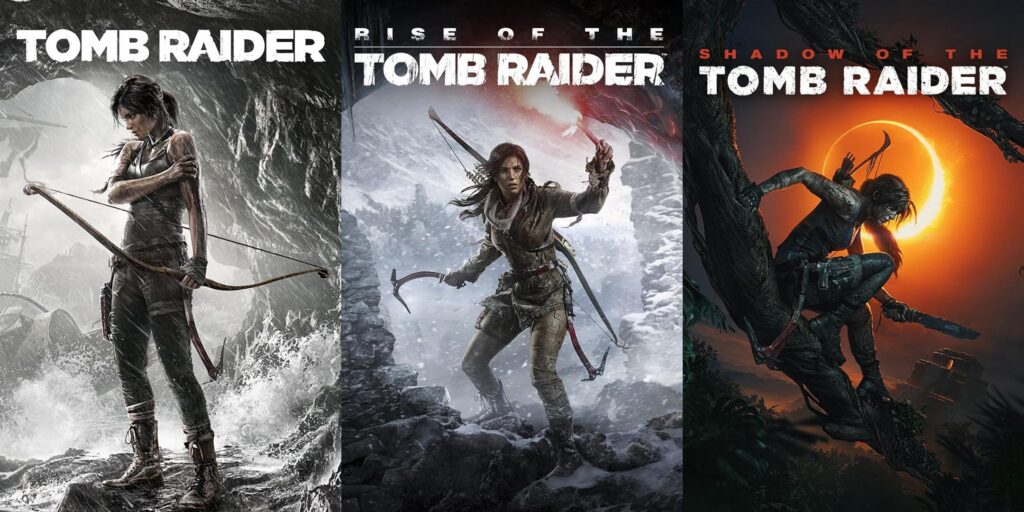
That is why many people associate the Survivor trilogy with Lara’s “origin story.” It is not the same Lara from the 1996 classic in a strict continuity sense, but it does show a more human, developing version of her. She grows into the role of explorer, survivor, and adventurer across those three games.
Shadow of the Tomb Raider is especially important because it completes that arc. By the end of that game, Lara has become more confident and more fully formed as a character. For many fans, that made it feel like the Survivor timeline had reached a natural stopping point.

Why the 1996 Remake Matters
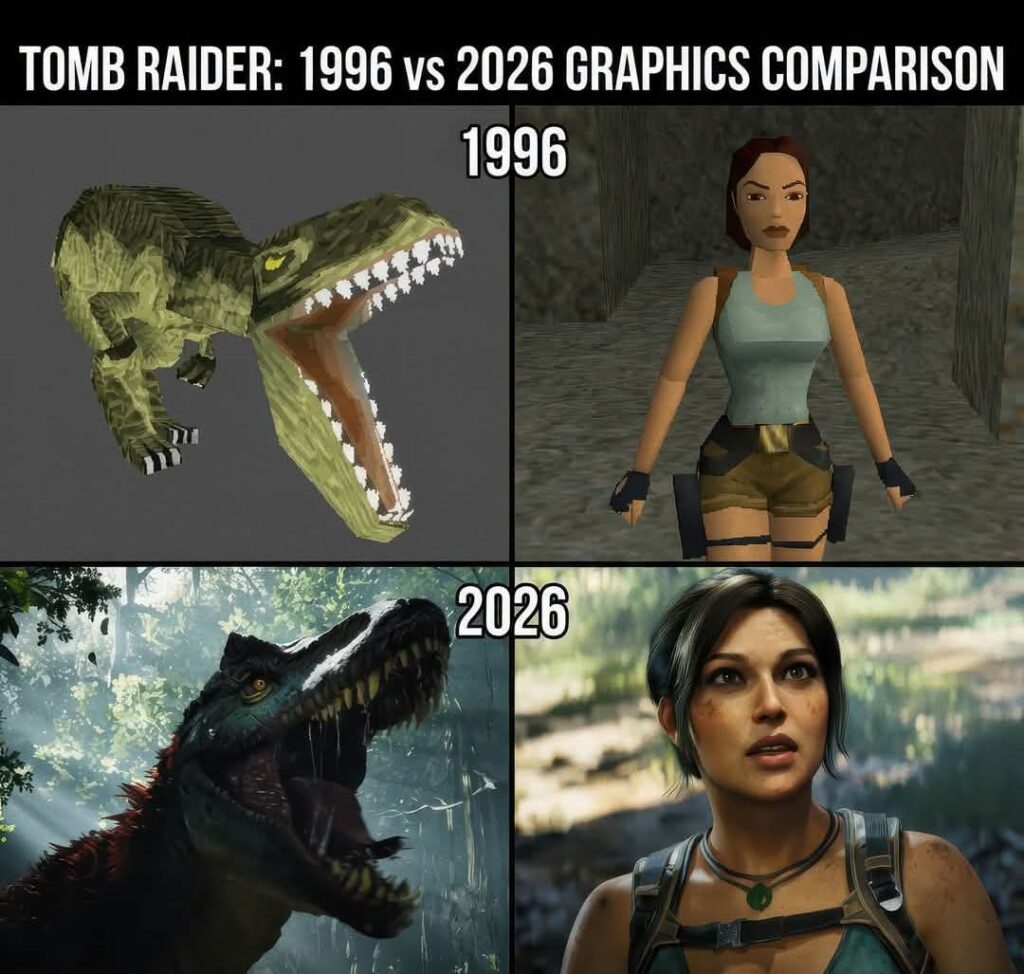
The new remake of Tomb Raider’s 1996 debut is not just a nostalgia project. It signals a fresh way of thinking about the franchise. Instead of simply remastering old games, the developers are reimagining Lara’s first adventure for a modern audience.
That matters because a remake can do two things at once. First, it can preserve the spirit of the original game. Second, it can update the story, tone, and continuity so it fits a broader modern plan. In other words, the remake is not just about bringing back an old game. It is about redefining what the beginning of Tomb Raider looks like for a new generation.
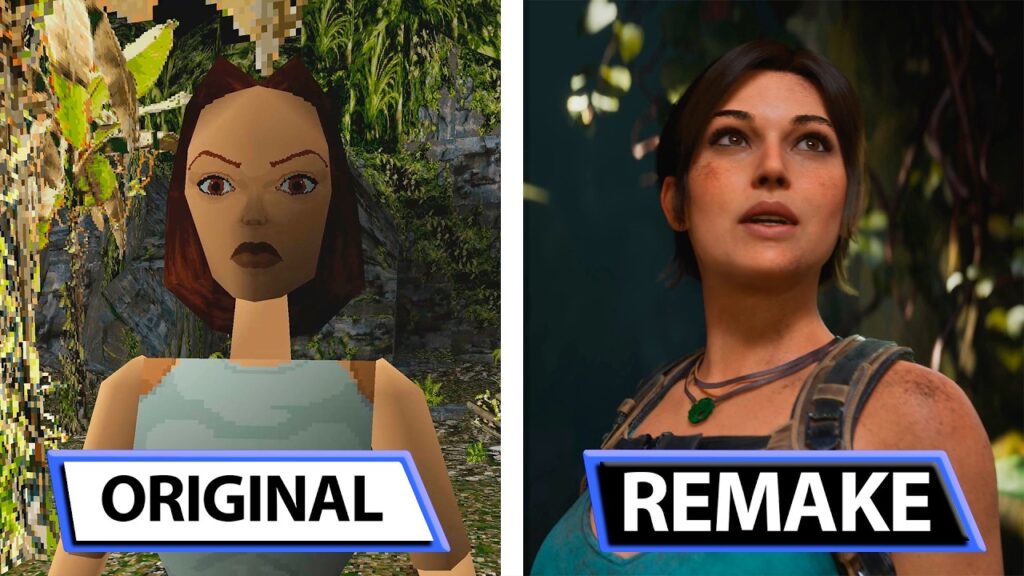
This is where the timeline discussion becomes interesting. The remake is not necessarily a direct sequel to Shadow of the Tomb Raider. Instead, it can be understood as a new version of Lara’s classic beginning, built to fit the series’ evolving structure.
Is the New Lara Connected to SOTTR?
This is the biggest source of confusion for fans. The answer is: not directly in a simple sequel sense. Shadow of the Tomb Raider belongs to the Survivor trilogy, while the 1996 remake is tied to a reimagined classic storyline.
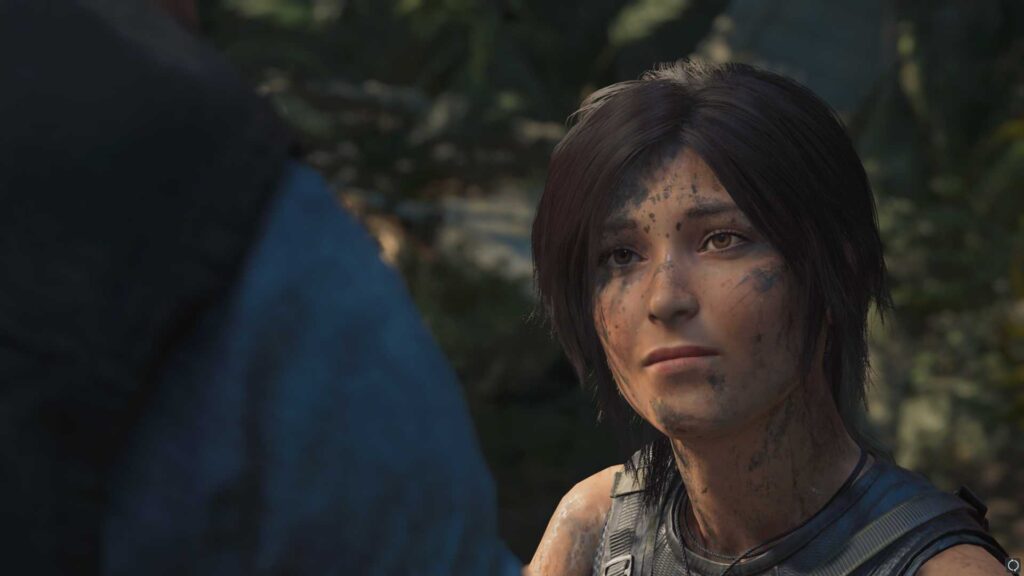
So can you say the new remake Lara is “coming from” SOTTR? Not really, at least not literally. It is better to think of them as different versions of Lara Croft that reflect different continuity branches. The Survivor Lara is younger and develops across TR2013, Rise, and Shadow. The remake Lara is a reimagined version of the original classic heroine and may share design or tone elements with modern Lara, but she is not necessarily the same character continuing in a direct line from SOTTR.
Also Read: Tomb Raider: Legacy of Atlantis Could Bring Back the Classic Lara Croft Fans Miss
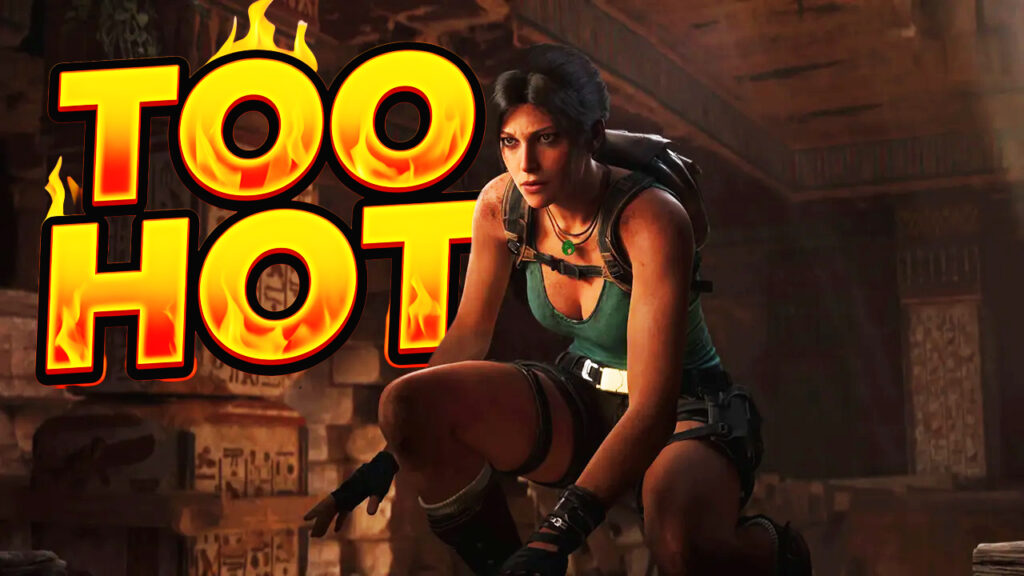
That distinction is important because it helps explain why Tomb Raider can have multiple versions of its lead character without fully contradicting itself.
Why Developers Are Reimagining the Timeline
There are several reasons developers move to a reimagined timeline. The first is simple: old canon gets messy. After multiple reboots, sequels, and spin-offs, a franchise can become difficult to manage. A reimagined timeline lets the studio clean that up.
The second reason is creative freedom. A fresh timeline allows writers and designers to take the parts that work best and reshape everything else. They can keep Lara’s core identity while changing the structure around her.
The third reason is accessibility. New players do not want to spend hours figuring out where to start. A reimagined timeline gives them a clear entry point. At the same time, longtime fans still get references, callbacks, and legacy elements that reward their knowledge.
For Tomb Raider specifically, this is a smart move. The series has enough history to support multiple eras, but it also needs a future that feels coherent and easy to follow.
What This Means for Future Tomb Raider Games
The new direction suggests that Tomb Raider is not abandoning its past. Instead, it is reorganizing it. That means the original 1996 adventure, the Survivor trilogy, and future mainline games may all be part of a larger franchise identity, even if they do not sit in one strict chronological line.
This is actually a strength. It lets Crystal Dynamics and related teams build games that honor the brand’s legacy while still pushing forward. The franchise can now use different versions of Lara to serve different storytelling goals. One version can represent classic adventure. Another can represent origin and survival. Another can represent a more mature, unified future.
For fans, this means Tomb Raider is becoming less about “which timeline is real” and more about “which version of Lara fits this story best.”
Conclusion
Tomb Raider’s new timeline is not a simple reboot and not a complete reset. It is a reimagining that tries to connect the franchise’s most important eras in a smarter way. The Survivor trilogy gave us Lara’s younger, more human journey. The 1996 remake is bringing back her first classic adventure in a modern form. Together, they suggest that Tomb Raider is building a broader and more flexible canon.
That is good news for fans, because it means Lara Croft is not locked into one version of her past. She can evolve, return, and be reinterpreted without losing what makes her iconic. And for a franchise as legendary as Tomb Raider, that may be the best way to keep the adventure alive.
FAQ
Q1. Is the new Tomb Raider connected to the Survivor trilogy?
A: Not directly. The upcoming Tomb Raider aims to unify elements from different eras of the franchise, including the classic games and the Survivor trilogy, rather than serving as a direct sequel to Shadow of the Tomb Raider.
Q2. Do I need to play Tomb Raider (2013), Rise of the Tomb Raider, and Shadow of the Tomb Raider before the new game?
A: It’s not mandatory, but playing the Survivor trilogy helps you understand Lara Croft’s modern origin story, character development, and evolution into the iconic adventurer.
Q3. Is the new Tomb Raider a remake or a reboot?
A: The new direction appears to be a reimagining rather than a simple remake or reboot. It combines ideas from previous Tomb Raider timelines while introducing a unified vision for Lara Croft’s future.
Q4. What is the Survivor trilogy?
A: The Survivor trilogy consists of Tomb Raider (2013), Rise of the Tomb Raider (2015), and Shadow of the Tomb Raider (2018). These games focus on Lara Croft’s early adventures and her transformation into the legendary explorer.
Q5. Why does Tomb Raider have multiple timelines?
A: Over nearly three decades, Tomb Raider has gone through several reboots and creative changes. Multiple timelines allow developers to modernize Lara Croft while preserving the legacy of the classic games.
Q6. Will the classic Tomb Raider games still matter?
A: Yes. The classic adventures remain an important part of Tomb Raider’s history, and many fans believe future games will continue to reference or honor those iconic stories.
Q7. What is the Unified Lara Croft timeline?
A: The Unified Lara Croft timeline is Crystal Dynamics’ vision of bringing together elements from the classic games, the Legend trilogy, and the Survivor trilogy into a more consistent version of Lara Croft for future adventures.
Q8. Is Shadow of the Tomb Raider the end of Survivor Lara’s story?
A: Shadow of the Tomb Raider completes Lara’s origin journey, but it doesn’t necessarily mark the end of her adventures. Future games may build on her experience while presenting a more unified interpretation of the character.