
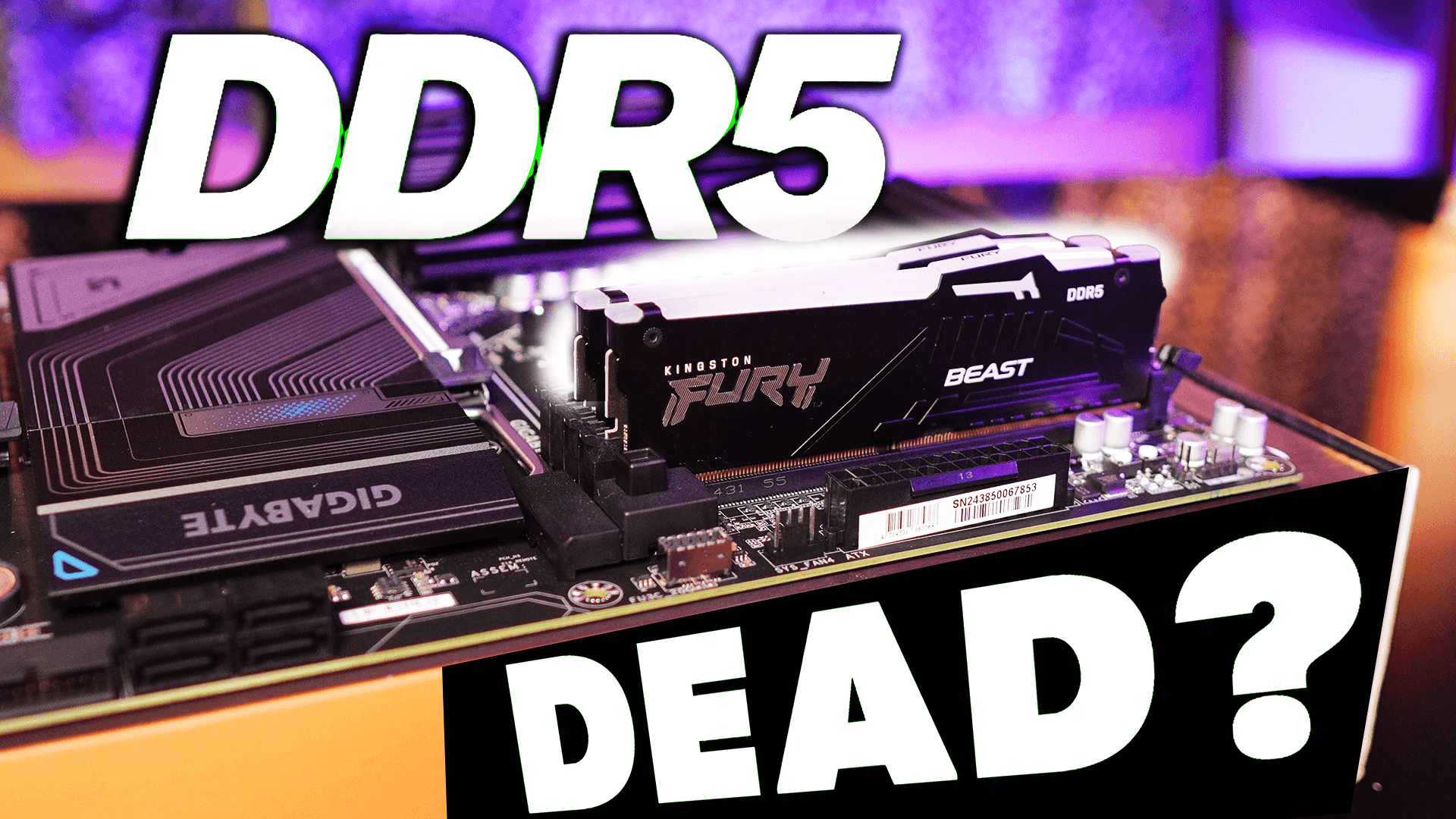
If you’re planning to build a PC in 2026, here’s the brutal reality: DDR5 RAM has become insane expensive — with price increases of over 400% compared to last year. What’s happening to DDR5 right now? What will June, July, and August 2026 bring? And why aren’t prices coming down?

This isn’t just a shortage. This isn’t just demand. And this isn’t even just a gaming market problem. What’s actually happening is a silent war across the global memory market: Gamers vs. AI.
Also Read: Best Used GPUs for GTA 6 (2026 Guide)
DDR5 Price Update: The Reality Check
Let’s start with the raw numbers. In March 2026, DDR5 prices saw a small correction. The price index dropped from roughly 440% to 410% compared to July 2025 levels. Many people thought: “Finally, prices are normalizing.”
But then April arrived, and the market flipped back into reverse gear. By June 2026, DDR5 prices are still around 419% higher than July 2025. Historically, this is brutally expensive.
Here are some specific examples:
- A 32GB DDR5-6000 kit that cost around $80 in mid-2025 reached approximately $432 by early 2026 — an increase of more than 400% in under a year
- The cheapest 32GB DDR5 kit in the United Tracks as of June 3, 2026, climbed to $374.97, with no comparable option selling for less
- One particular DDR5 memory kit saw its price rise by nearly 22% within a single month, serving as the primary driver of this increase.
- In India, a 64GB DDR5 memory that cost ₹20,000 last July is now ₹85,000 — a 419% increase.
Financial institutions project that the average selling price of DRAM could rise by 30% in Q3 2026. No meaningful price relief is expected until late 2027–2028.
If demand is so high, why aren’t manufacturers producing more DDR5?
Everyone knows AI demand is the main culprit. But here’s the real question: If demand is so high, why aren’t manufacturers producing more DDR5?
The answer is darker than you think.

Today, OpenAI, Microsoft, Google, Amazon, Meta, ByteDance, and Alibaba are all competing in the same race: AI Infrastructure. And AI infrastructure needs one thing more than anything else: memory. Not just a lot of memory — petabytes of memory.
We gamers install 16GB or 32GB RAM in our PCs. But AI data centers? They’re talking about petabytes, not terabytes.
Here’s where the story gets interesting. AI data centers need DDR5 RAM and GPUs. But unlike gamers’ RTX 5090 cards, AI does most of its processing on specialized AI GPUs like:
- NVIDIA H100 (80GB HBM memory, ~$1,000 memory cost alone)
- H200 (141GB HBM)
- Blackwell B200 (192GB HBM)
The memory used in these GPUs is called HBM (High Bandwidth Memory) — and this is the root of the problem.
Don’t Miss: How are CPUs Made?
Gamers’ cards use GDDR memory, but HBM is completely different technology. And here’s the critical fact: HBM3E production requires roughly 3x more wafer capacity than standard DDR5.
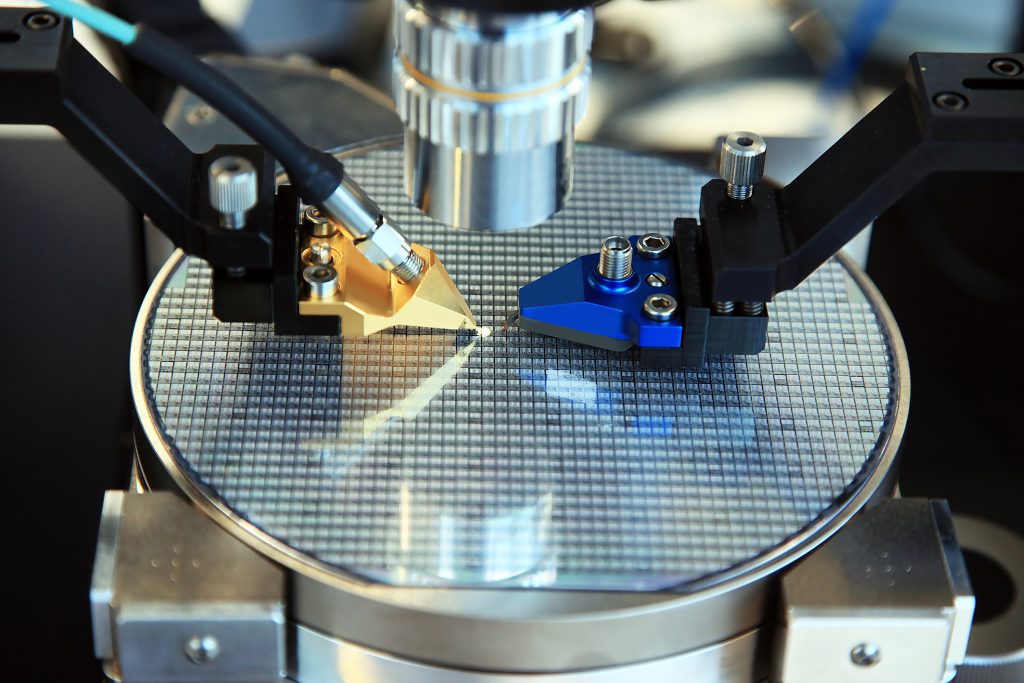
Memory chips are made using 300mm silicon wafers, and the capacity of advanced fabs that can process these wafers is limited globally. Building a new fab? That costs billions of dollars and takes 3–5 years minimum.
The situation is simple:
- More HBM produced = Less DDR5 produced
- This is literally a zero-sum game
Every wafer going to HBM production is a wafer not making DDR5. When you’re adding “RAM to cart” on Amazon, somewhere else OpenAI is reserving memory capacity.
Why Manufacturers Don’t Care About Gamers
Let’s get to the most painful part. The three major memory manufacturers — Samsung, SK Hynix, and Micron — are essentially ignoring gamers. Why?
Simple: Money.
Consumer DDR5 has decent profits. But enterprise memory and HBM

Manufacturers now face a choice:
- Side A: Normal consumer DDR5
- Side B: HBM, Enterprise DDR5, LPDDR5X (for AI servers and flagship smartphones)
And NVIDIA makes this choice even crazier. With lakhs of GPUs being shipped, where will manufacturers focus? The answer is obvious.
SK Hynix has already sold out its entire 2026 capacity for HBM, DRAM, and NAND.
The Stargate Effect: OpenAI’s Massive Impact
The situation becomes even more dramatic when we look at OpenAI’s Stargate project. According to reports, future AI infrastructure memory demand is so massive that the industry will need years to expand capacity.
Consider this:
- NVIDIA is shipping lakhs of AI GPUs
- Each H100 needs 80GB HBM
- Each H200 needs 141GB HBM
- Each Blackwell B200 needs 192GB HBM
HBM and normal DDR5 aren’t built in separate worlds. Both largely use the same DRAM manufacturing ecosystem. So every wafer going to HBM = one wafer not making DDR5.
In simple language: Every AI server going online is indirectly making your gaming PC’s RAM more expensive. We’re searching for 32GB RAM while AI companies are booking entire memory factories.
Why Companies Are Fearful of Expanding Factories
Here’s a crucial detail: In 2023, memory companies got stuck in oversupply. They’re now aggressively afraid to expand factories because they fear another market crash.
This fear is keeping supply tight even as demand explodes.
The AI PC Paradox: The Ultimate Irony
Here’s the irony: PC companies are telling us to “buy AI PCs, use AI features, run local AI models” — but AI PCs need:
- 16GB RAM
- 32GB RAM
- Fast DDR5
And that exact RAM is now the most expensive it’s ever been.
Should You Wait? The Final Answer
The ultimate question: Should you buy DDR5 now or wait?
Honestly? If you need a PC, buy now. I personally don’t believe DDR5 will suddenly half-price in the next 6–12 months.
Why wait is a bad strategy:
- AI demand hasn’t cooled down
- New fabs aren’t online yet
- Memory supply hasn’t significantly increased
When will DDR5 get cheap?
- When AI demand cools down
- When new fabs come online
- When memory supply significantly increases
None of these are happening before late 2027–2028.

The Bottom Line: Gamers Are No Longer the Priority
DDR5 isn’t expensive because gamers are buying more RAM. DDR5 is expensive because the memory industry is no longer built for gamers.
The new priority is:
- AI
- Data Centers
- Enterprise Infrastructure
And us? We’re just watching Corsair, Kingston, and G.Skill pricing while crying.
Key Data Points for Your PC Build Decision:
| Metric | Current Status |
|---|---|
| DDR5 price vs July 2025 | +419% |
| 32GB DDR5 kit (June 2026) | $374.97 (cheapest US) |
| Q3 2026 forecast | +30% more increase |
| Price relief timeline | Late 2027–2028 |
| AI DRAM consumption (2026) | 20% → 70% of high-end DRAM by end 2026 |
| OpenAI Stargate impact | 40% of global wafer output |
| SK Hynix 2026 capacity | 100% sold out |
| HBM vs DDR5 wafer cost | 3x more for HBM |
| HBM margins | 60–75% vs consumer DDR5 |
For Indian Buyers:
If you’re building a PC in India in Q3 2026, expect 32GB DDR5 prices around ₹50,000–85,000 — the highest point, with many kits scarce or out of stock.
The silent war is clear: Gamers vs. AI. And right now, AI is winning. The memory industry has fundamentally shifted priority — and gamers are no longer the primary customer.
If you’re planning a 2026 PC build, buy your DDR5 now. Waiting won’t save you money — it’ll just delay your build while prices continue climbing.
Are you using DDR4 or DDR5 right now? Do you think AI hardware prices will permanently change the gaming market? let me know your thoughts in the comments below.
FAQ (Copy-Paste Ready)
Q1. Why are DDR5 RAM prices increasing in 2026?
A: DDR5 prices are rising due to strong demand from AI data centers, limited memory production capacity, and growing demand for high-bandwidth memory (HBM) used in AI accelerators.
Q2. How does AI affect DDR5 RAM prices?
A: AI companies consume enormous amounts of memory for servers and AI training systems. This increases competition for manufacturing capacity, which can push DDR5 prices higher.
Q3. Will DDR5 prices continue to rise?
A: Prices may remain elevated if AI demand continues to grow and memory manufacturers prioritize higher-profit products like HBM over consumer DDR5 memory.
Q4. Should gamers buy DDR5 RAM now or wait?
A: If you are building a PC soon, buying now may be a good idea before prices rise further. However, market conditions can change depending on supply and demand.
Q5. Is DDR5 worth it over DDR4 in 2026?
Q6. What is HBM memory and why does it matter?
A: HBM (High Bandwidth Memory) is a specialized memory used in AI accelerators and high-performance computing. Rising HBM demand can reduce manufacturing resources available for consumer DDR5 memory.
Q7. Are DDR5 shortages expected in 2026?
A: While a severe shortage is not guaranteed, supply constraints and growing AI demand could lead to limited availability and higher prices in some regions.