
eSIM was supposed to eliminate the tiny plastic SIM card. So why are millions of Indian smartphone users still using one? eSIM hasn’t technically failed in India. The bigger issue is that adoption has been slower and less convenient than many expected. Despite global momentum, Indian telecom operators, consumers, and regulators face a unique mix of cost, policy, device, and infrastructure hurdles that have kept eSIM from going mainstream.

What Is eSIM and Why It Matters
An eSIM (embedded SIM) is a digital SIM profile built into your phone. Instead of swapping plastic cards, you download a carrier profile over the internet and activate a new number or data plan instantly. For travelers, businesses, and IoT devices, eSIM promises faster onboarding, lower logistics costs, and better connectivity.
Also Read: What is an eSIM? Things You Should Know
What Is eSIM and How Activation Works in India
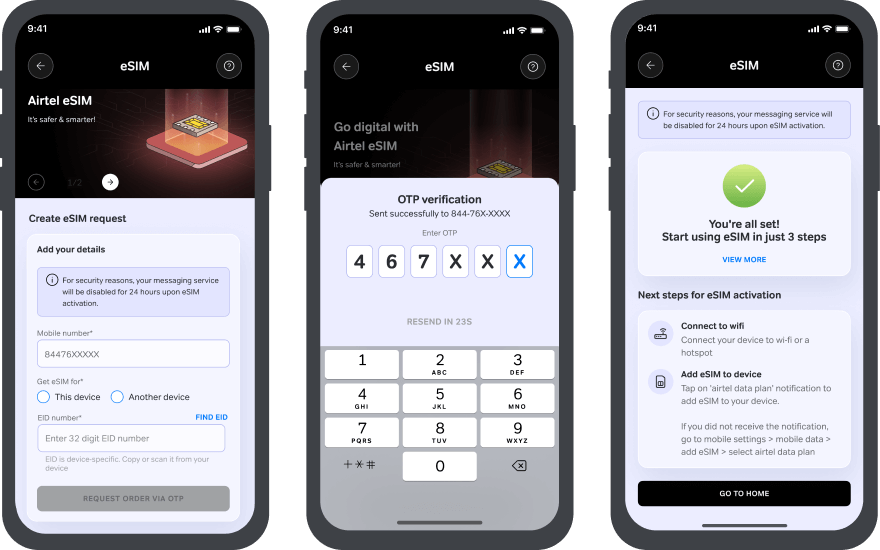
An eSIM (embedded SIM) is a digital SIM profile built into your phone. Instead of inserting a plastic card, you download a carrier profile via QR code or app and activate your number instantly. In India, the process typically involves:
– Dialing *#06# to note your 32-digit EID and 15-digit IMEI.
– Sending an SMS (e.g., “eSIM <EID> <IMEI>” to 199) or using your carrier’s app (Airtel Thanks, Vi, Jio).
– Receiving a QR code via email or notification.
– Scanning the QR code in Settings > Mobile Data/Cellular > Add eSIM.
– Confirming via OTP and an IVR call within minutes.
For many Indians, this multi-step, app/SMS-heavy process feels more complex than walking to a local shop and buying a ₹10–20 physical SIM.
Carrier Support: Who Offers eSIM and How
All major Indian telcos—Airtel, Jio, Vi, and BSNL—support eSIM, but with caveats:
Airtel: eSIM activation via Airtel Thanks app or SMS; postpaid users get smoother onboarding.
Jio: Supports eSIM on select devices; activation through MyJio app and QR code.
Vi: eSIM available via Vi app or SMS; requires EID entry and OTP verification.
BSNL: Promotes eSIM but lacks 5G; relevance limited for its large 2G/3G base.
Carrier support exists, but it’s uneven—often restricted to postpaid, flagship devices, or urban users.
Switching Phones: eSIM vs Physical SIM
Switching phones with a physical SIM is as simple as popping the card out and inserting it into a new device. With eSIM:
- You must request a new eSIM profile for the new device.
- The old eSIM profile is deactivated, and a new QR code is issued.
- Some carriers impose a 24-hour SMS blackout during the switch.
- The process can take 15 minutes to a few hours, depending on carrier and device.
For Indians who frequently swap phones or share SIMs across devices, this friction is a dealbreaker.
Travelling: Where eSIM Shines (and Where It Doesn’t)
For international travelers, eSIM is a game-changer: buy a data plan online, scan a QR code, and get connected instantly upon arrival. In India:
Inbound travelers: Foreign eSIM providers (Airalo, Nomad, etc.) offer India data plans, bypassing local KYC.
Outbound Indians: Indian eSIMs don’t work seamlessly abroad; most users still rely on physical SIMs or local prepaid cards.
Domestic travel: eSIM offers no real advantage over physical SIMs for most Indians, who already enjoy cheap, ubiquitous prepaid data.
Device Compatibility: The Biggest Bottleneck
eSIM requires hardware support. In India:
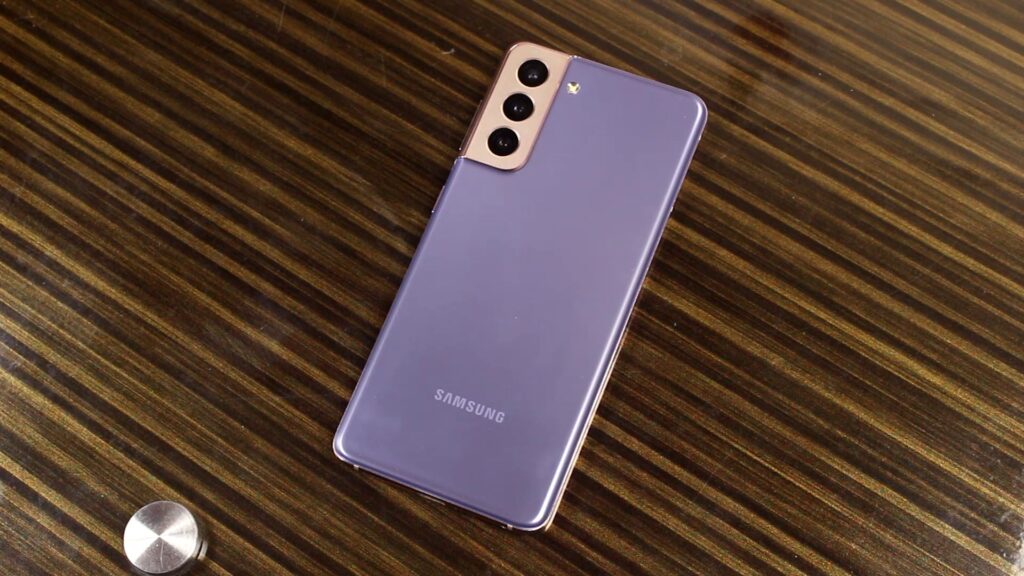
Flagship phones (iPhone 13+, Samsung S21+, Google Pixel 6+) support eSIM.
Mid-range and budget phones (₹10,000–₹20,000), which dominate Indian sales, often lack eSIM.
Feature phones (still widely used in rural India) don’t support eSIM at all.
Until eSIM trickles down to sub-₹15,000 devices, mass adoption will remain limited.
Prepaid vs Postpaid: Why It Matters for eSIM
India is a prepaid-first market. eSIM, however, is often tied to postpaid plans:
Postpaid eSIM: Smoother activation, better carrier support, but requires credit checks and monthly bills.
Prepaid eSIM: Available but less promoted; activation steps are more complex, and plans are limited.
Physical SIMs: Prepaid dominance, instant activation, no credit checks, and widespread retail availability.
For most Indians, prepaid physical SIMs offer unmatched flexibility and convenience.
Physical SIM Familiarity: Why Indians Stick to Plastic
Indians have grown up with physical SIMs:
- Retail network: Every corner shop sells SIMs and recharge vouchers.
- Cost: Physical SIMs cost ₹10–20; eSIM activation can be free but feels “premium.”
- Ease of use: Swap SIMs in seconds; no apps, QR codes, or IVR calls.
- Trust: Physical SIMs are tangible; eSIM feels abstract and tech-heavy.
Until eSIM matches this simplicity, physical SIMs will remain the default.
Why eSIM Adoption Is Slow in India
1. Device Compatibility Gap
Most eSIM-capable smartphones in India sit in the premium segment (₹20,000+), while the bulk of Indian smartphone sales happen below that price. Mid-tier Android models—dominant in India—often lack eSIM support. Feature phones and budget smartphones, which still make up a large share of the market, don’t support eSIM at all.
2. High Cost and Limited Consumer Incentive
For many Indian users, physical SIMs are cheap, widely available, and easy to swap. eSIM activation often requires postpaid plans, verified bank accounts, or stricter KYC, which adds friction. Without clear cost savings or convenience for the average user, there’s little push to switch.
3. Regulatory and KYC Hurdles
India’s telecom regulations assume SIMs serve human users with individual KYC verification. This works for physical SIMs but creates uncertainty for eSIMs, especially for foreign providers, IoT/M2M devices, and export-only hardware. TRAI has only recently started proposing separate frameworks f or these edge cases, leaving a policy gap that slows innovation.
4. Infrastructure and Awareness Gaps
eSIM provisioning needs a stable internet connection and a verified identity process (often Aadhaar-linked or tied to an existing Indian number). Short-term visitors, rural users, and first-time smartphone buyers face barriers. Awareness is also low—many consumers and even retail staff aren’t familiar with eSIM setup steps.
5. Carrier Strategy and Network Reality
Private telcos like Jio, Airtel, and Vi have rolled out eSIM selectively, often restricting it to postpaid or high-value users. BSNL, despite promoting eSIM, lacks 5G and still serves a large 2G/3G base, making eSIM less relevant for its core audience. Without a unified, consumer-friendly push from all operators, adoption stalls.

6. Global Supply Chain and Geopolitics
Some reports highlight a “China effect”: Chinese resistance and supply chain dynamics have slowed eSIM ecosystem development in India. While not the sole reason, geopolitical factors have added another layer of complexity for Indian telcos trying to scale eSIM.
Where eSIM Is Working in India
- Travel eSIMs: Foreign providers sell India data plans via QR code, popular with tourists and business travelers.
- IoT and M2M: Industrial use cases show promise, especially with TRAI’s new proposals for export-only devices.
- Premium smartphone users: Early adopters with flagship phones use eSIM for dual-SIM convenience and instant activation.
What Needs to Change for eSIM to Succeed
- Affordable eSIM phones: More mid-range and budget models with eSIM support.
- Simplified KYC: Streamlined, digital-first verification for eSIM activation.
- Carrier incentives: Prepaid eSIM plans, lower costs, and clearer benefits for consumers.
- Regulatory clarity: Finalized rules for foreign eSIMs, IoT, and M2M use cases.
- Awareness campaigns: Retail training and consumer education on eSIM setup and benefits.

Bottom Line
eSIM in India isn’t a failure—it’s a work in progress. The technology is here, but mass adoption needs cheaper devices, simpler rules, and stronger incentives from telcos. Until then, physical SIMs remain the default for most Indians, while eSIM finds niche success in travel, IoT, and premium segments.