
Grand Theft Auto 6 is shaping up, at least in leak form, as Rockstar’s most ambitious attempt yet to merge cinematic crime storytelling with a living online style ecosystem. The collection of rumours you provided points in one direction: Leonida is not just a bigger map, but a more responsive one, where music, money, weather, police systems, and co-op all feed into the same idea of consequence. If even part of this turns out to be true, GTA 6 could shift the series from “open world with activities” to “open world with systems that constantly interact.”

Property Damage System – A World Built Around System
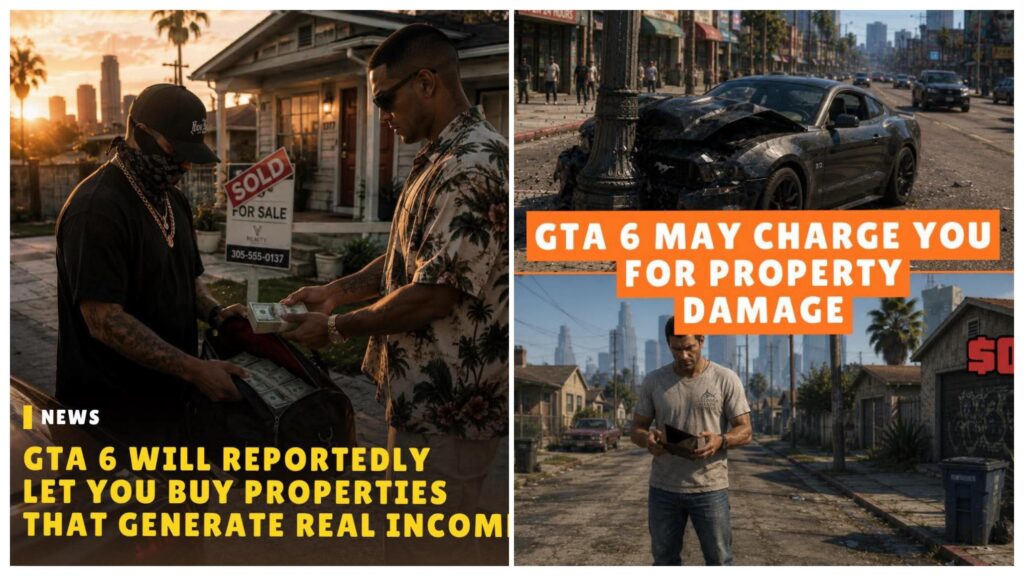
The biggest takeaway from these leaks is not any single feature, but the way they seem to connect. Spotify integration, property damage penalties, weapon wear, prison sentences, passive income properties, and live street exchanges all suggest a world where the player is no longer insulated from the simulation. Instead of chaos being free, every action may have an economic or mechanical cost, which would push players to think more like criminals managing risk and less like arcade players chasing destruction.
That matters because Rockstar has always been strongest when it gives players freedom inside a reactive structure. GTA 5 let you break the rules; GTA 6, if the leaks are accurate, may make you live with the rules too. That difference sounds subtle, but it is actually huge for the way missions, exploration, and roleplay would feel moment to moment.
Spotify and the soundtrack problem
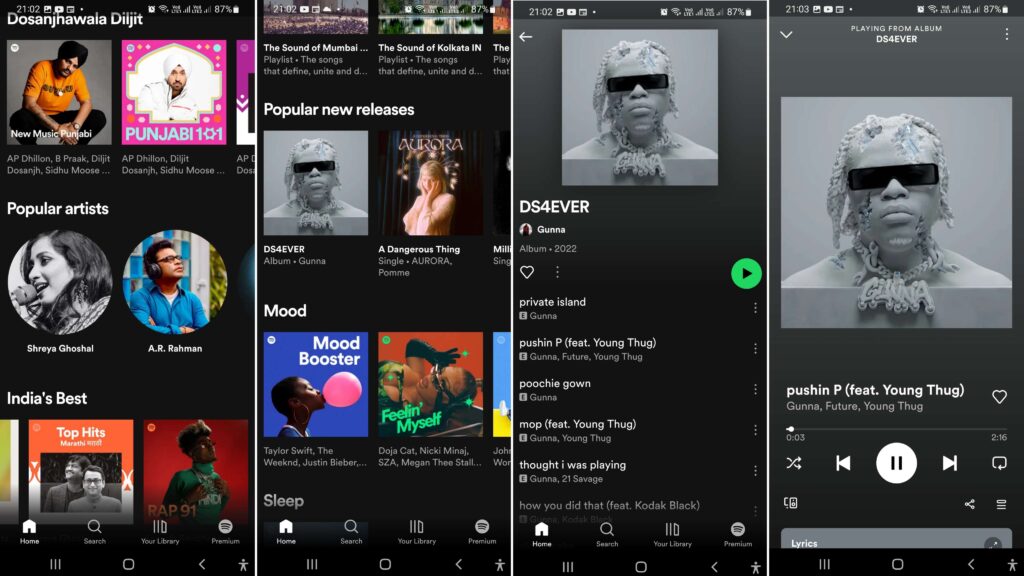
The Spotify rumour is one of the most interesting because it changes one of GTA’s most iconic identity pillars: music. According to the leak material you shared, players may be able to link Spotify directly in-game, stream their own music in Leonida, and even join Spotify Jams with friends so everyone hears the same playlist in real time. That would transform the radio from a curated soundtrack into a personal social layer, which fits the modern way many players already consume music while gaming.
From a design standpoint, this is smarter than it sounds. GTA has always used radio stations to shape mood, but an account-linked music feature would let the game adapt to the player’s taste without removing Rockstar’s existing audio identity. It could also create new social rituals: cruising at sunset, running a heist prep mission, or sitting in a car meet while everyone shares one playlist. For a game built around character, place, and vibe, that kind of personalization is a powerful hook.
There is also a business angle. If Rockstar is thinking beyond the old “game as product” model, music integration opens the door to brand partnerships, creator playlists, artist campaigns, and possibly platform-style engagement. That does not mean it is guaranteed, but it explains why rumours about Spotify support have spread so widely in the first place.
Could GTA 6 Earn $2 Billion in 24 Hours?
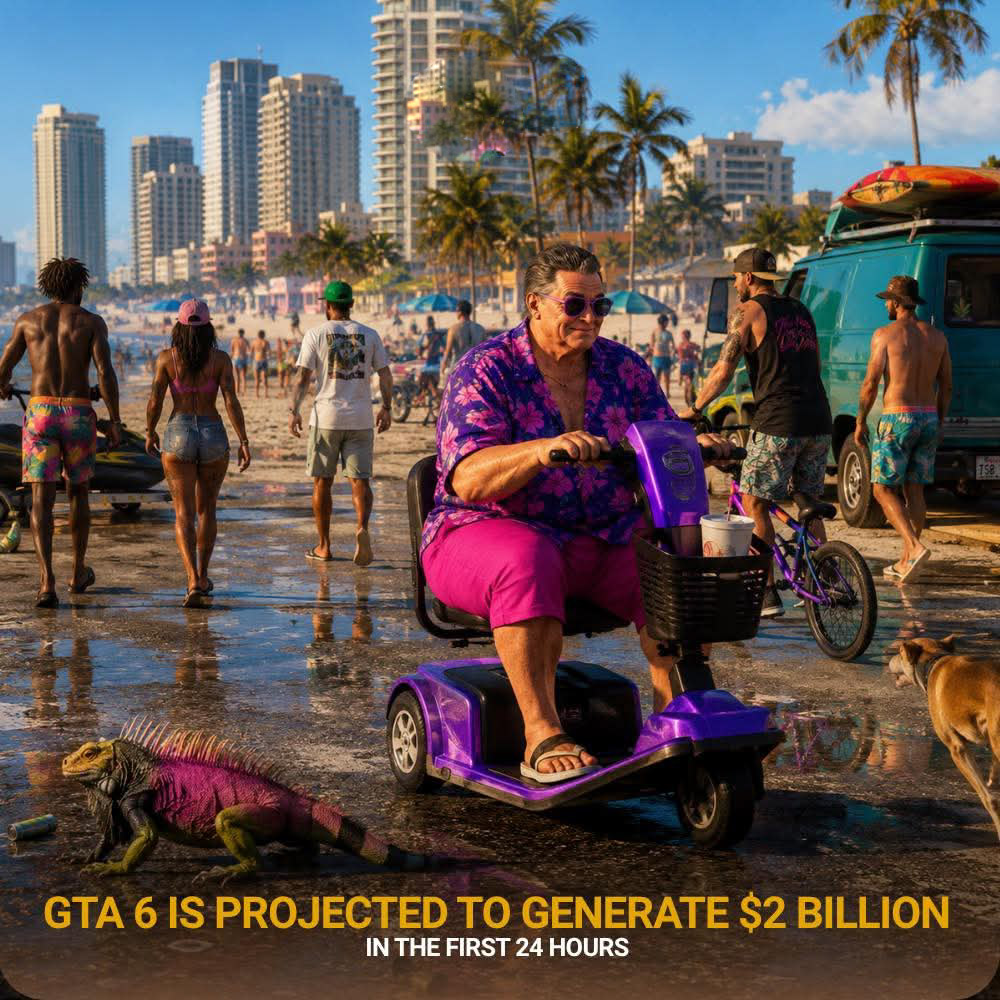
The financial projections around GTA 6 have been wild for months, with analysts and investment firms floating first-day or first-window earnings that would put the game among the biggest entertainment launches ever. Reports have argued that years of anticipation, a massive global fanbase, and the scale of the property could make GTA 6 an unprecedented commercial event.
That kind of forecast is not just hype; it reflects how Rockstar launches behave. A GTA release is not normal game marketing. It becomes a cultural moment that spills into YouTube, TikTok, livestreams, fan theories, meme culture, and mainstream news coverage all at once. The result is a multiplier effect that most studios can only dream of.
Damage has a price now
One of the sharpest gameplay ideas in these leaks is the claim that players may be charged for property damage. In a GTA game, that is almost a philosophical shift. The franchise has always encouraged reckless driving, explosive standoffs, and brutal getaways, but if buildings, vehicles, or civilian property now generate actual costs, then destruction becomes a strategic choice instead of a default solution.
That would make Leonida feel more grounded. A player who blasts through a street blockade or levels half a block during a chase might escape the cops, but they could also pay later through fines, loss of income, or higher long-term friction. In other words, chaos becomes part of the economy. That is exactly the kind of system Rockstar likes: one that turns action into consequence without removing freedom.
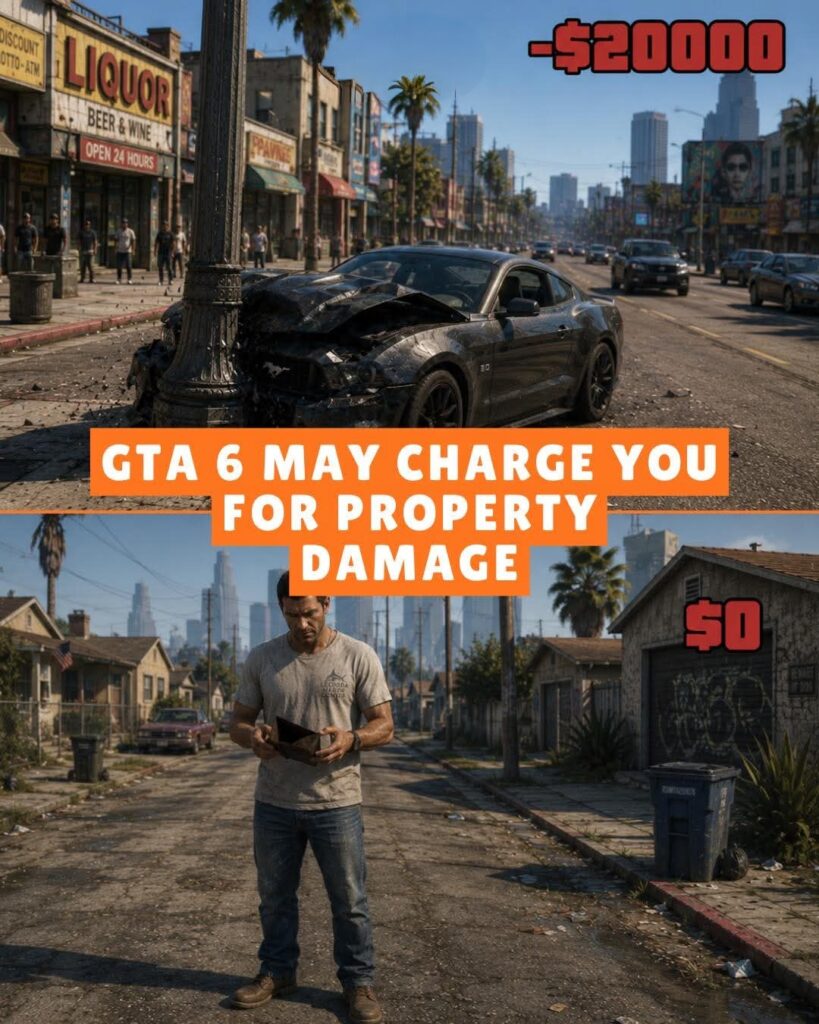
This also ties into the property and money leaks. If players can own income-generating properties, handle live street exchanges, and grow a criminal empire through investments, then damage penalties become part of a larger financial ecosystem. The game would reward players who balance aggression with caution, which is much closer to a real criminal power structure than the pure mayhem of older GTA entries.
Weather and disasters as gameplay, not decoration
The natural disaster rumours may be the most visually dramatic of the lot. Hurricanes, storms, flooding, and unpredictable weather patterns make a lot of sense in a Florida-inspired setting, and the leaks suggest these are not just cosmetic effects but active gameplay systems. If true, the environment itself could become an obstacle during missions, travel, and police pursuits.
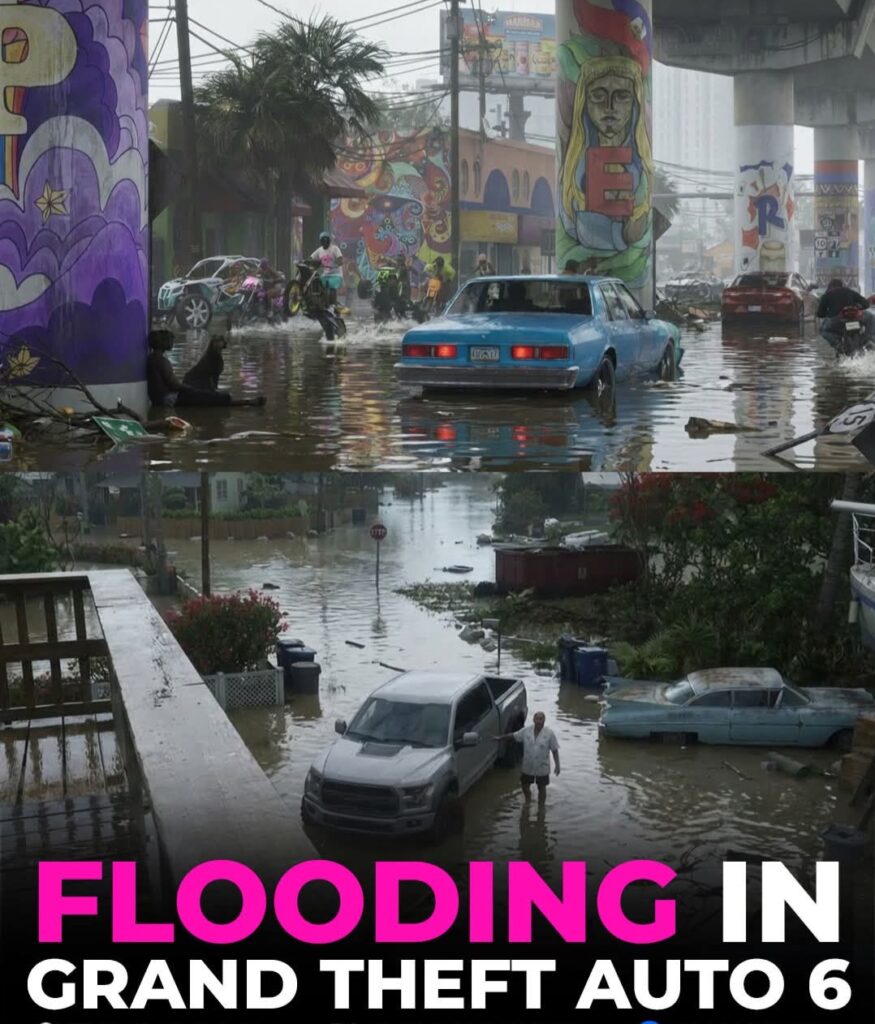
This kind of feature would be a major evolution for GTA’s open world. A flooded road changes route planning. A storm changes visibility. A hurricane can force players to rethink vehicle choice, safehouses, or even whether a mission should be attempted at all. Instead of the map being a static stage, the world becomes an active participant.
That has a strong streaming and social-media upside too. Dynamic weather creates stories people want to clip and share. A chase that starts in clear skies and ends with cars floating through a flooded intersection is exactly the type of emergent chaos that turns a game into content. If Rockstar gets this right, Leonida could become one of the most memorable virtual worlds purely because it refuses to stay still.
Heists, teamwork, and the co-op question – Co-op Story Mode
The heist rumours are where GTA 6 starts sounding truly transformative. You described a massive vault robbery inspired by the Fast Five dragging scene, complete with modified trucks, environmental destruction, and separate roles for Jason and Lucia. That idea fits Rockstar’s love of set-piece escalation, because it blends cinematic spectacle with player coordination.
The co-op rumours raise the stakes even more. Reports suggest players may be able to complete the entire story together with a friend, switching between solo and cooperative play. If that happens, Rockstar would be doing something the series has never fully committed to before: designing its main narrative as a shared experience rather than a strictly solo one.
That would make Jason and Lucia feel less like two characters the player alternates between and more like an actual duo. Co-op storytelling would also give heists, chases, and open-world exploration a totally different rhythm. One player could drive while the other handles combat, or both could coordinate stealth and takedowns. In the right hands, that could become one of GTA 6’s biggest selling points.
Combat and stealth get more tactical
Several of the leaks point to Rockstar adding more tactical depth to combat. Non-lethal stealth takedowns would let players neutralize guards or targets without automatically escalating into gunfire. Smoke grenades would give pursuit scenarios a new layer of strategy by breaking line of sight. Shooting from the back of a pickup or from a car trunk would turn vehicles into mobile combat spaces rather than simple transport.
These are small ideas individually, but together they suggest a major shift in how missions may flow. GTA has always mixed stealth, driving, and shooting, but often in a straightforward way. If these features are real, Rockstar seems to be pushing for encounters where positioning, timing, and improvisation matter more than raw firepower.
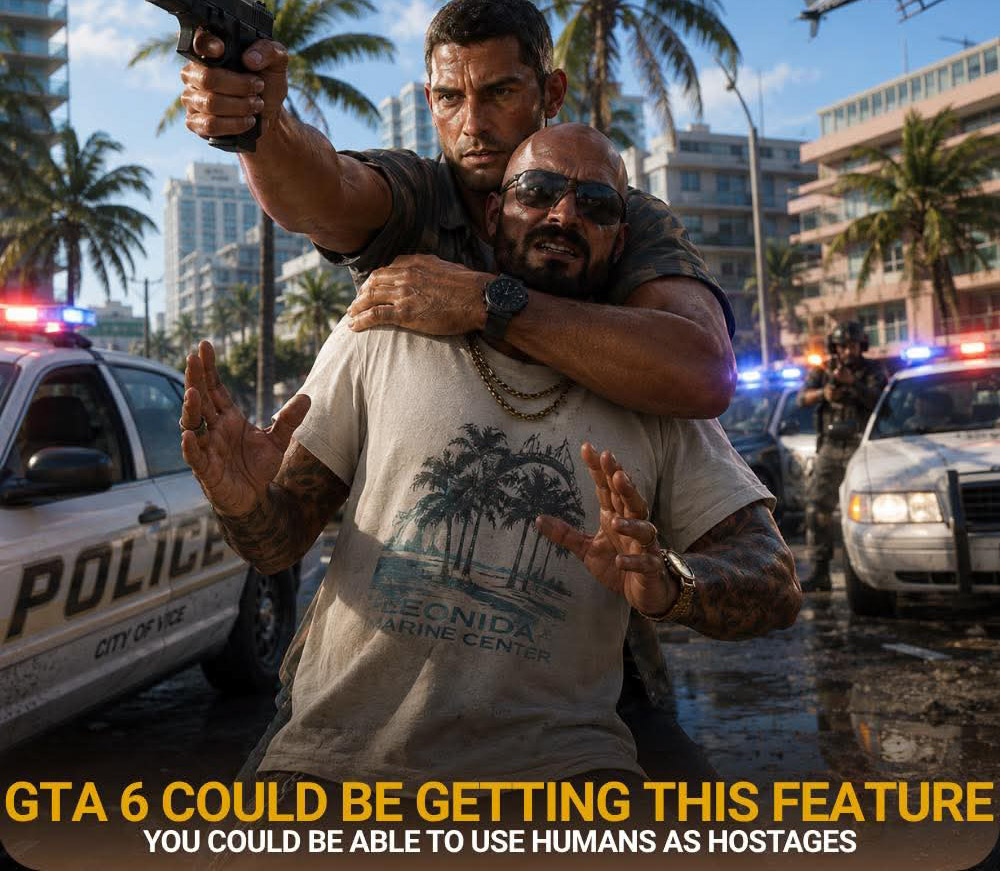
That would also help the game feel less predictable. Smoke and non-lethal options create more routes through a mission. Vehicle combat creates more co-op synergy. The end result is a sandbox that gives players more ways to solve the same problem, which is one of the strongest signs of modern open-world design.
Realism, Weapon wear, and Punishment
The weapon degradation leak adds another layer of friction. Guns that jam in rain, mud, swamp water, or after long-term use would force players to maintain their loadout more carefully. That is a very Rockstar-style idea because it imports some of the realism discipline seen in Red Dead Redemption 2 into a modern crime game.
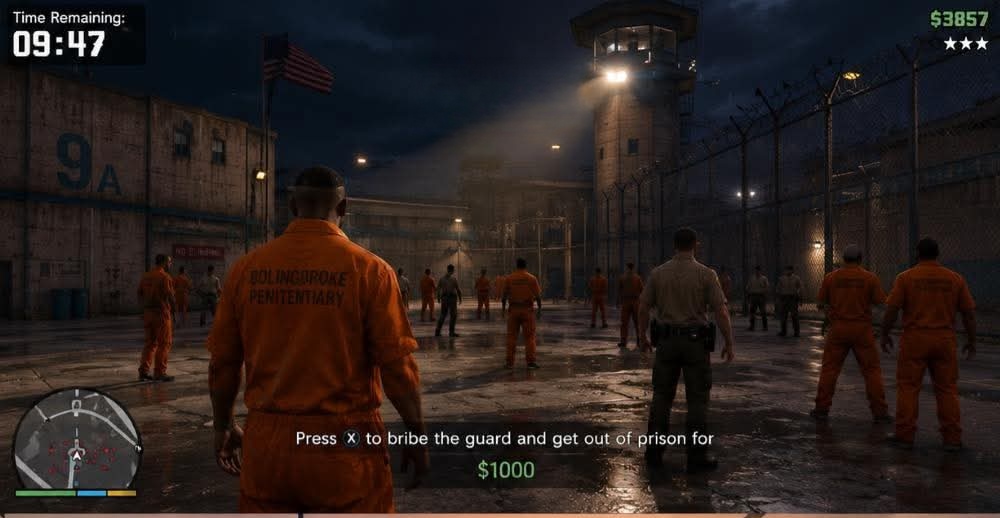
The prison rumours go even further. If GTA Online introduces real jail sentences, then arrest would no longer be just a short reset before the next crime spree. Players might serve time, escape, bribe guards, complete prison jobs, or pay fines. That would radically change the rhythm of online criminal behaviour by making punishment meaningful instead of temporary.
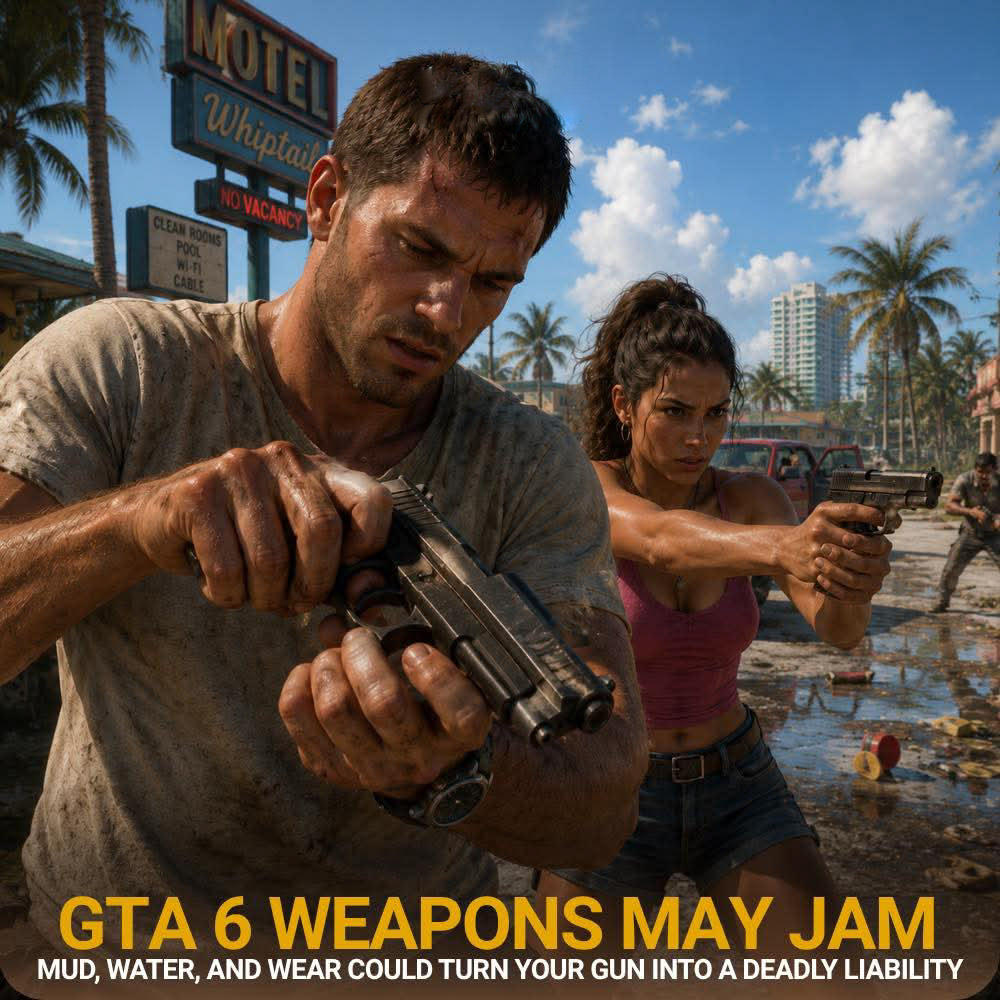
There is a bigger logic here. Rockstar seems to be testing the boundary between fun and consequence. The more punishment systems the game has — weapon wear, jail time, damage fees, wanted-level pressure — the more its world becomes a place you must manage rather than merely exploit. For a game built around lawlessness, that is a surprisingly elegant direction.
Social culture and creator appeal
The car meet and yacht rumours tell the same story from a different angle. A fully customisable yacht as a floating home base and massive social car meets across beaches, rooftops, docks, and highways would turn GTA 6 into a lifestyle game as much as a crime game. That makes sense for today’s audience, especially creators who want cinematic scenes, aesthetic builds, and shareable moments.
This is where the leaks become very modern. Rockstar is not only building missions; it may be building spaces where players gather, perform, show off, and create content. A car meet under neon lights with dynamic weather and a shared Spotify Jam is basically a streamer’s dream. It is also a reminder that open-world games today compete not only with games, but with social platforms.
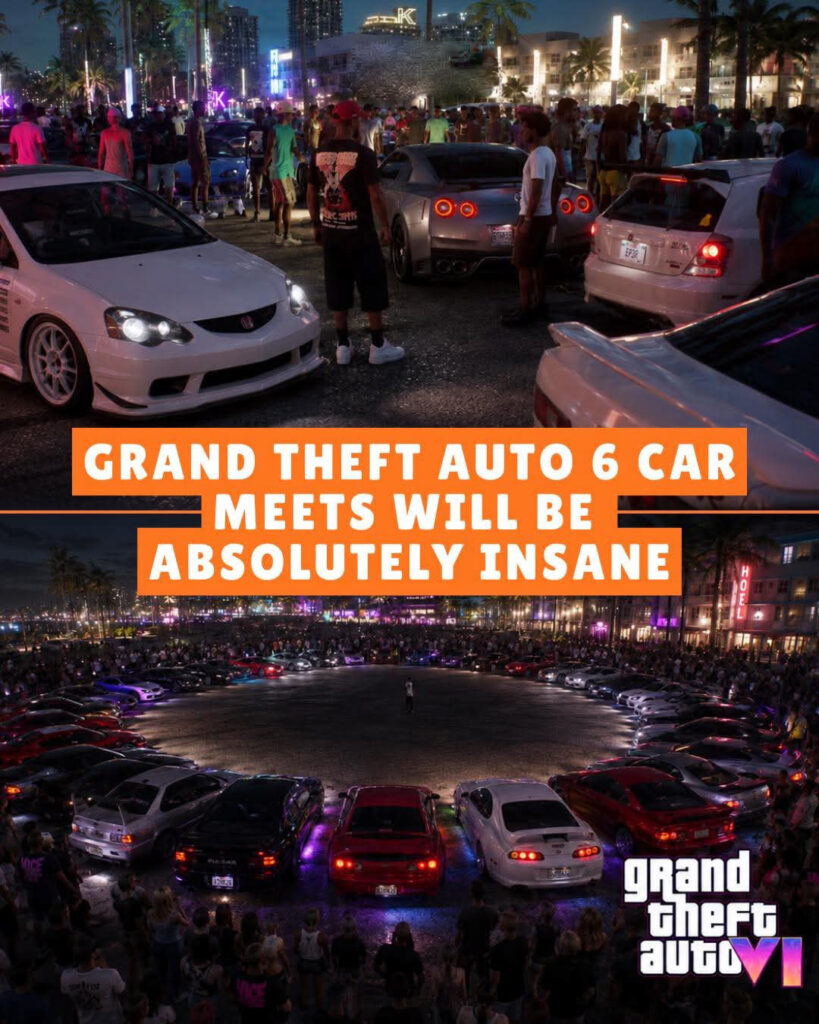
That might be why the game’s rumoured systems feel so interconnected. Rockstar seems to understand that the biggest modern games are not just played; they are inhabited, clipped, shared, and talked about. If GTA 6 leans into that, the community will do a huge part of the marketing for them.
Final reading
Taken together, these leaks describe a GTA game that is more social, more reactive, and more expensive to play recklessly. Spotify integration would personalize the vibe, co-op would expand how stories are experienced, disaster systems would make the world breathe, and economic penalties would force players to think before smashing everything in sight.
The important thing is not whether every rumour turns out to be true. It is that the direction itself feels coherent. Rockstar appears to be moving toward a Leonida that behaves less like a playground and more like a living city with rules, rhythms, and consequences. If even half of these systems arrive in the final game, GTA 6 will not just be bigger than GTA 5 — it may redefine what people expect from a blockbuster open-world game.