
All-in-one (AIO) liquid coolers look flashy and promise better temperatures, but they aren’t always the smart choice. In many real-world builds, a quality air cooler does the same job for less money and fewer headaches.
This article breaks down exactly when you should avoid an AIO and stick with air cooling—especially if you’re building in India, where dust, heat, and budget matter more than RGB.
Also Read: Don’t Buy GEN 5 SSDs Right Now!
You’re on a Tight Budget
If your total PC build budget is under ₹60,000–₹70,000, every rupee counts. A decent 240mm or 360mm AIO in India often costs ₹6,000–₹12,000, while top-tier dual-tower air coolers like the DeepCool AK620, Thermalright Peerless Assassin 120 SE, or even Noctua NH-D15 (imported) deliver similar gaming performance for ₹3,000–₹7,000.
For gaming-only rigs with CPUs like the Ryzen 5 7600, Ryzen 7 7800X3D, or Core i5-14600K, the temperature difference between a good air cooler and a mid-range AIO is often just 3–6°C under load—hardly worth the extra cost and risk.
Your CPU Doesn’t Run Hot Enough to Need It
Not every processor needs liquid cooling. If your CPU’s sustained power draw is below ~150W, a dual-tower air cooler is more than enough.
Examples where air cooling shines:
- Ryzen 5 7600 / 7600X
- Ryzen 7 7700X / 7800X3D
- Core i5-13600K / 14600K
- Core Ultra 5 / mid-range chips
These CPUs rarely exceed 120–140W even under heavy gaming or streaming. In such cases, an AIO gives you minimal thermal headroom but adds complexity, pump noise, and potential failure points.
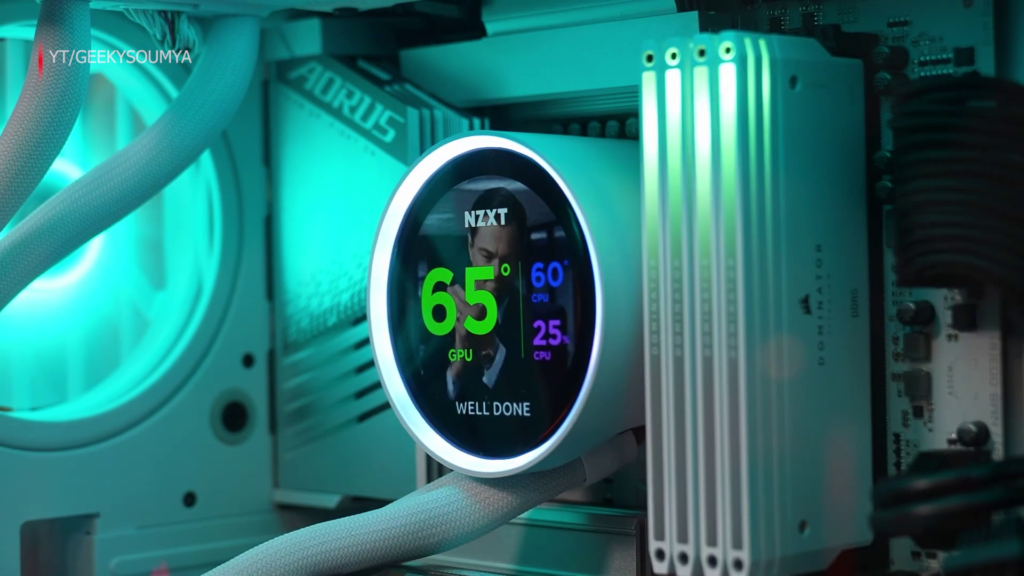
Only consider an AIO if you’re running sustained all-core workloads above ~200W (e.g., video rendering, 3D work, long compilations) or using flagship chips like Ryzen 9 7950X3D / Core i9-14900K at stock or overclocked.
You Want Maximum Reliability and Longevity
Air coolers have no moving parts except the fan. No pump, no coolant, no seals to age. That means they can easily last 8–10+ years with just occasional dust cleaning.
AIOs, on the other hand, rely on a small pump inside the CPU block. Industry data shows:
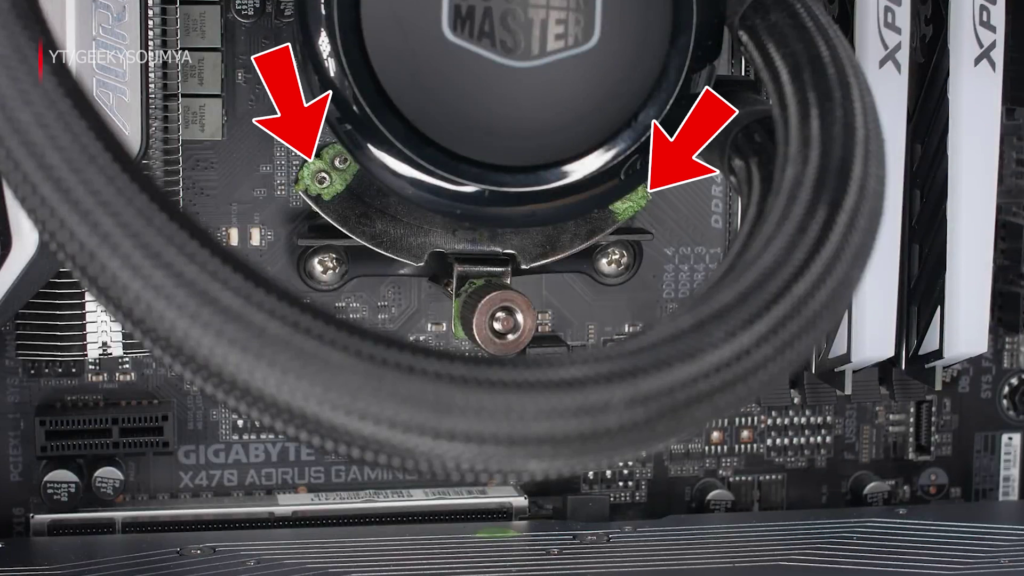
- Pump failures account for over 40% of AIO breakdowns.
- Typical failure rates: 1–3% within 3 years, 5–8% within 5 years (higher for cheap brands).
- Average pump lifespan: ~50,000–70,000 hours (roughly 6–8 years of 24/7 use).
If you plan to keep your PC for 7+ years without touching the cooler, air is the safer bet.
Don’t Miss: One Mistake Could Kill Your SSD: The Storage Habits That Cause Early Failure
You Live in a Dusty or Hot Environment (Like Much of India)
Indian conditions are tough on PCs:
- High ambient temperatures reduce cooling efficiency for both air and liquid, but AIO radiators can clog with dust faster if not cleaned regularly.
- Dust buildup on radiator fins reduces airflow and raises temperatures over time.
- Power cuts and voltage fluctuations can stress the AIO pump electronics more than a simple fan-on-heatsink design.
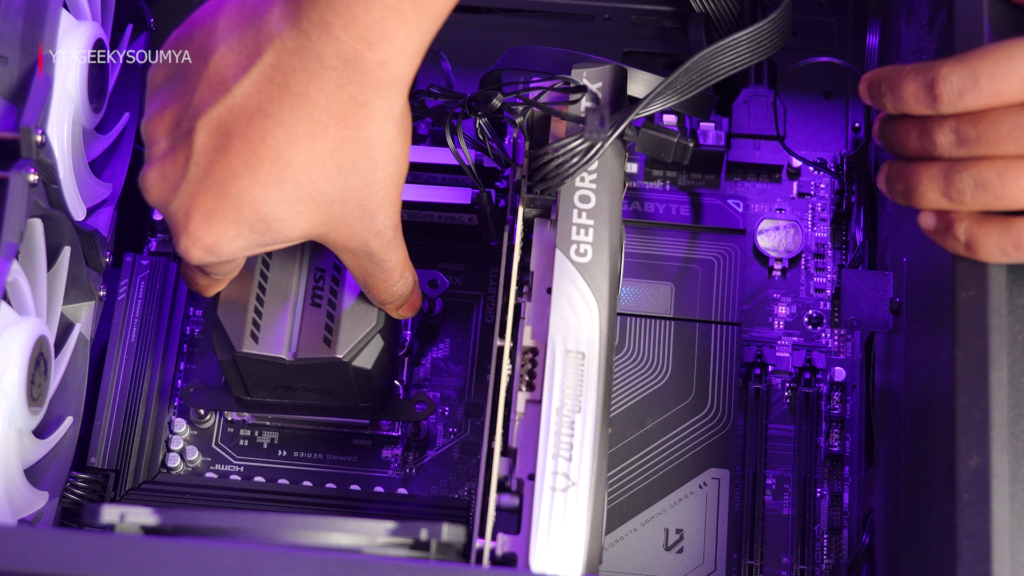
Air coolers are easier to maintain: just blow out dust or wipe the fins. With AIOs, you also need to worry about radiator cleaning, pump health, and (in worst cases) coolant evaporation over many years.
Your Case Doesn’t Properly Support AIO Radiators
Many budget and mid-range cases in India either:
- Don’t support 240/280/360mm radiators at all, or
- Only allow top mounting, which can trap hot air from the GPU and raise overall system temps.
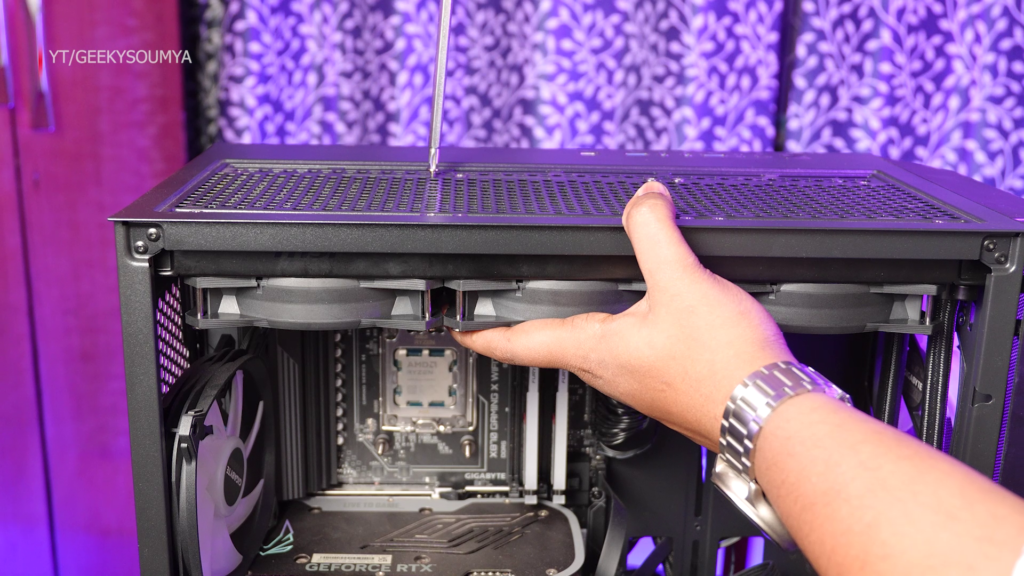
If your case has:
- No front radiator mount
- Poor airflow
- Tight clearance around the motherboard
…then forcing an AIO in can lead to worse thermals than a well-placed dual-tower air cooler.
Always check your case’s official cooler support list before buying an AIO.
You Don’t Care About Aesthetics or RGB
Let’s be honest: a big reason people buy AIOs is for the look—clean CPU area, RGB pump head, fancy LCD screens, etc.
But if:
- Your case has a solid side panel (no window)
- You don’t care about RGB or “showpiece” builds
- You just want cool, quiet, and reliable performance
…then an AIO’s visual advantage disappears. A black dual-tower air cooler hidden behind a panel does the same job without the extra cost or risk.
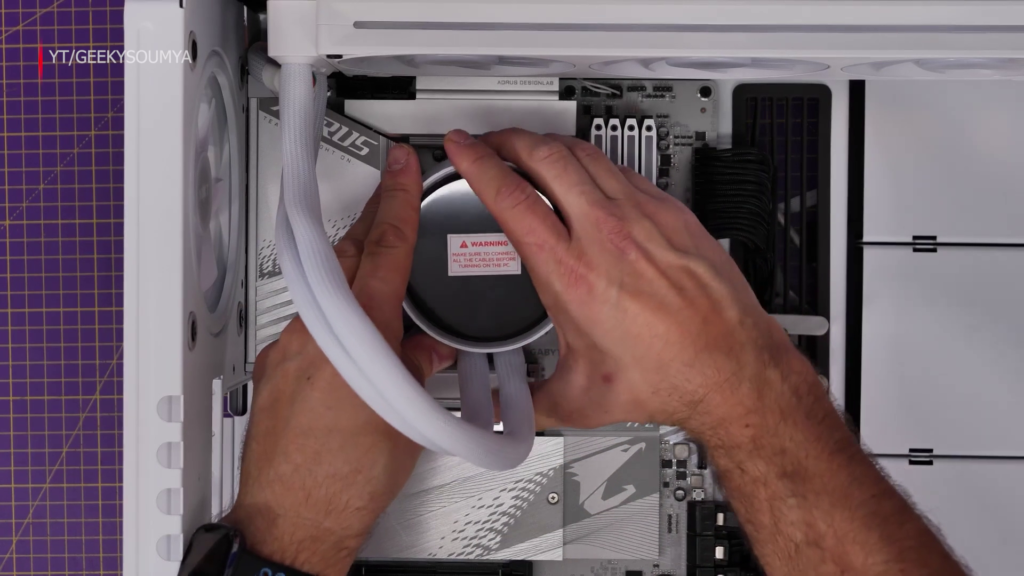
You’re Building a Small Form Factor (SFF) PC Without Proper AIO Support
Some compact cases only support low-profile air coolers or specific AIO sizes. If your case:
- Has a CPU cooler height limit under ~155–160mm
- Doesn’t officially list AIO support
…then trying to fit an AIO can lead to compatibility headaches, bent tubes, or poor airflow. In many SFF builds, a carefully chosen low-profile air cooler (like Thermalright AXP90 or Noctua NH-L12S) is a cleaner, safer solution.
You’re Not Comfortable With Slightly More Complex Installation
AIO installation involves:
- Mounting the radiator and fans
- Routing tubes without kinking
- Ensuring proper orientation to avoid pump noise or bubbles
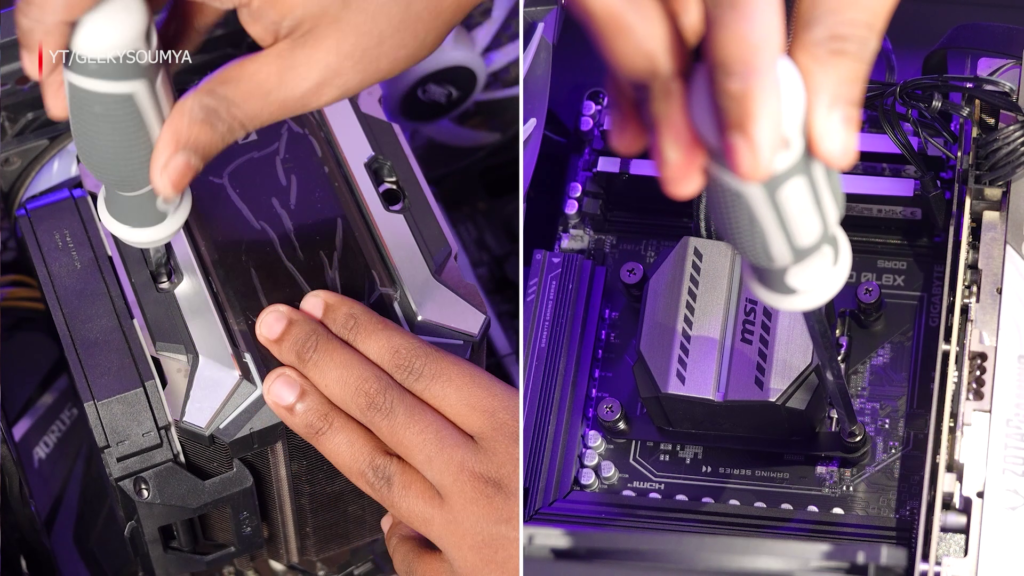
Air coolers are simpler: mount the backplate, screw on the tower, attach fans. For first-time builders or those who don’t want to stress about tube routing and pump orientation, air is far more forgiving.
When an AIO Does Make Sense
To be fair, AIOs are worth it if:
- You run a 200W+ CPU under sustained load (rendering, encoding, heavy multitasking).
- You need to clear RAM or GPU backplate space (tall air coolers won’t fit).
- You want the quietest possible system under heavy multi-core load (large 360mm radiators can run fans slower).
- Aesthetics and RGB are a priority for your showcase build.
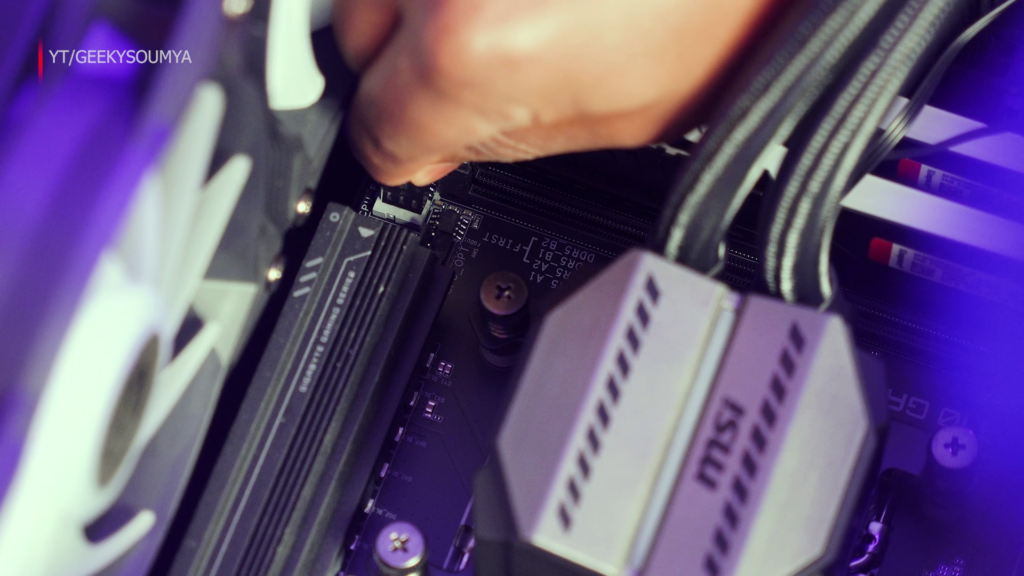
But for typical gaming and mixed-use PCs in India, air cooling is often the smarter, more future-proof choice.
If You Want to Know this Topics In HINDI Then Watch the Videos Below
Final Thought
Don’t buy an AIO cooler if you’re on a budget, using a mid-range CPU, want maximum reliability, or live in a dusty, hot environment. In these scenarios, a good dual-tower air cooler gives you 90–95% of the performance with less cost, less risk, and less maintenance.
Save the AIO for high-end workstations, extreme overclocking, or when looks truly matter. For everything else, air cooling still wins in 2026.