
So, best phone charger: That’s hard to tell! Nearly every new smartphone from OnePlus, Xiaomi, Samsung, Vivo, Realme, and even Apple ships without a charger, forcing users to choose the right adapter themselves. Indian buyers also care about price, online deals on Flipkart/Amazon, and compatibility with 5G phones and laptops.
This ultimate buying guide explains which charger you should buy in 2025 based on your phone brand, charging wattage, and budget. It also covers when to buy original proprietary chargers and when a good USB PD PPS charger is enough.
Do You Really Need 120W in India?
Many Indian phones advertise 67W, 80W, 100W, or 120W fast charging, but daily users mostly plug in for 30–40 minutes between office, college, and travel. A good 33W–67W charger usually charges a phone to around 70–80% within half an hour, which is enough for a full day for most people.
Super-fast 100W+ chargers give smaller time savings than the marketing suggests and often work only with that brand’s cable and adapter. For example, a OnePlus phone with 120W support may save just a few extra minutes compared to a quality 55–65W USB PD PPS charger, but locks you into one brand. If you want to buy 100+W charger then it will be superhandy if you have a laptop with USB C charging! but Is It Safe to Keep Your Laptop Plugged In All the Time? – Well that’s a great question!
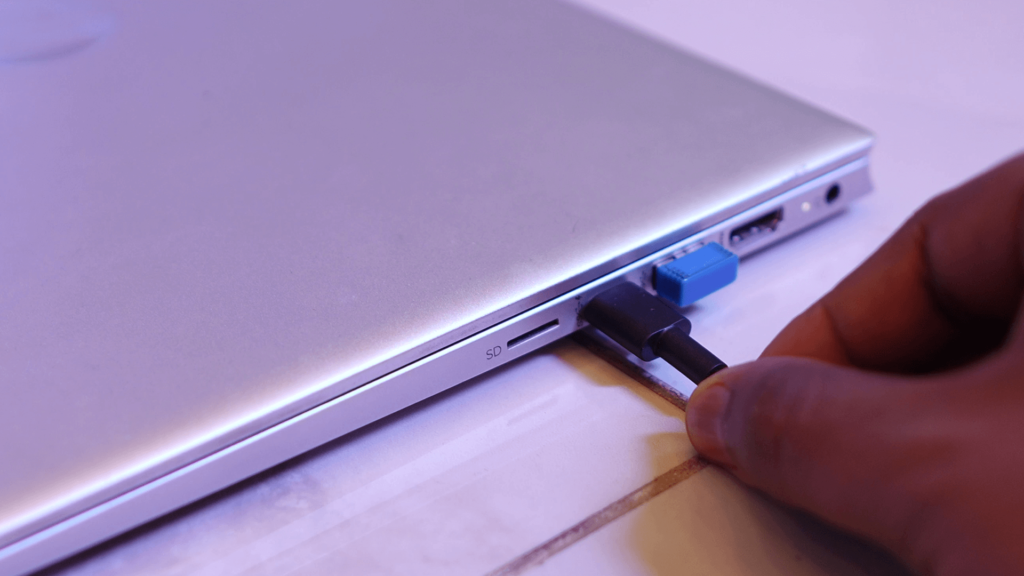
USB PD, PPS, and Smartphones Phones
Most modern Android phones in India, including Samsung Galaxy S-series, Pixel, Motorola, and many mid-range models from Xiaomi and Realme, support USB Power Delivery (PD) and PPS. PD works at fixed steps like 5V, 9V, 15V, and 20V, while PPS gives fine control between roughly 3.3V and 21V for smoother and cooler charging.
Apple iPhones in India also rely on USB-C with PD, so a good quality 20–30W PD charger from a reputed Indian-available brand will work for both iPhone and Android. This means one PD PPS charger can handle an iPhone 15, a Samsung S-series, and even a USB-C laptop that supports 65W.
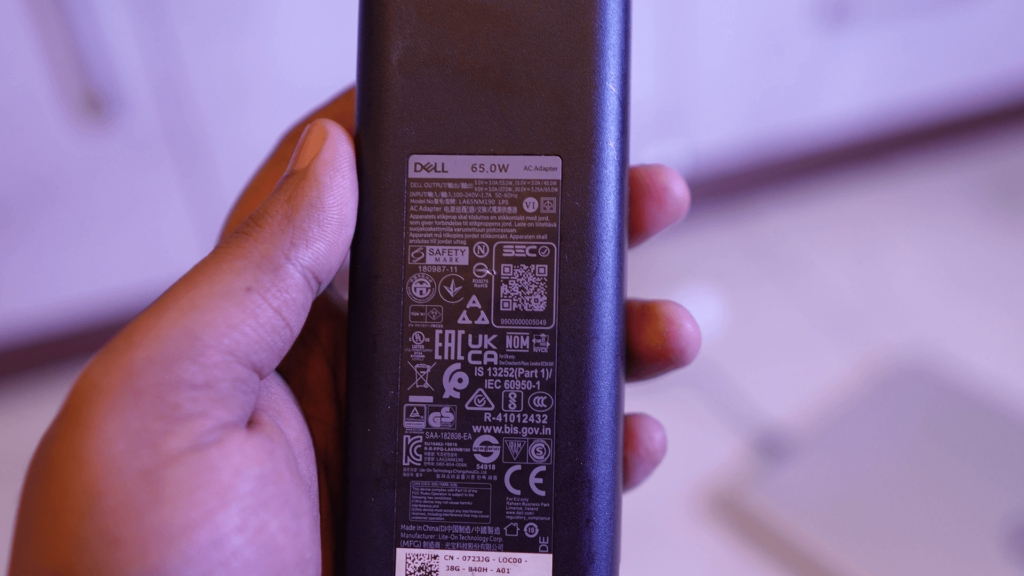
Smartphone Brands and Wattage Choices
For Indian users, the safest and most practical path is to match charger wattage with what the phone officially supports and then decide if you want a same-brand or universal PD PPS.
- Samsung Galaxy A/M/S series: Most models support 25–45W PD; a 25–45W USB PD PPS charger from a reputed brand is enough.
- iPhone 13–15 series: Works great with 20–30W USB PD; no need for more unless also charging a laptop.
- OnePlus/Realme/Oppo: To get full advertised 80–120W SuperVOOC speed, use the original or certified charger; otherwise, a 45–65W PD PPS unit still provides safe fast charging at standard speeds.
- Xiaomi/Redmi/Poco: Similar logic; original charger for highest “HyperCharge” speeds, or a 33–67W PD PPS charger for cross-device use.
Because India uses 230V mains, most high-wattage chargers operate at their rated speed here, which is an advantage over some 110V regions where speeds drop. This makes 65–100W chargers especially effective for both phones and laptops in the Indian market.
Why Cables Matter So Much in India
Cheap local USB-C cables without proper rating can heat up, slow charging, or even get damaged when used with 33–100W chargers. Many high-power chargers check for an E-marker chip in the cable to know how much current it can safely handle; without it, charging may be limited to 3A or lower wattage.
Thunderbolt or branded USB-C cables are safer if you also transfer data to laptops or external SSDs, since many high-wattage cables support only USB 2.0 speeds. A properly rated 60–100W USB-C cable gives both safe charging and better long-term reliability in hot conditions common in summers.
Travel, Power Cuts, and Power Banks
In India users frequently face travel between cities and occasional power cuts, so combining a wall charger with a power bank is very practical. There are compact 30–45W wall chargers ideal for travel which can charge both your phone and a mid-range laptop slowly without taking much bag space.
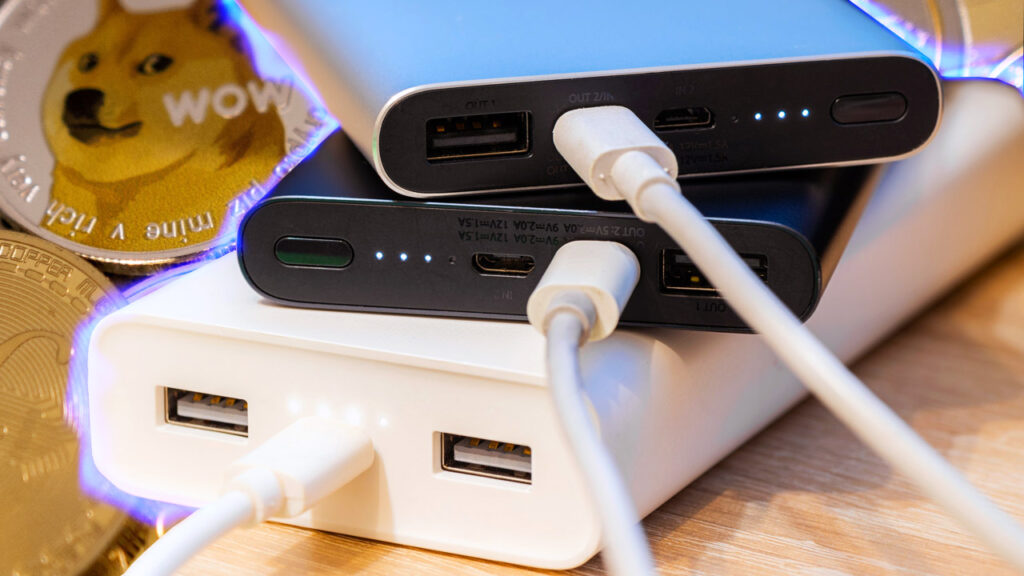
Chargers that integrate a power bank solve the problem of forgetting to charge a separate bank; every time you plug them into the wall in a hotel or at home, the internal battery tops up automatically. For typical use, a 30–65W combo is enough for phones, TWS buds, and smartwatches.
Wireless Charging: Scam!
Wired charging is still dominant because it is cheaper and faster, but wireless Qi and Qi2 chargers are slowly growing with premium phones. Standard Qi tops out at around 15–25W, which is slower than wired charging, so wireless is more about convenience on desks or bedside tables.
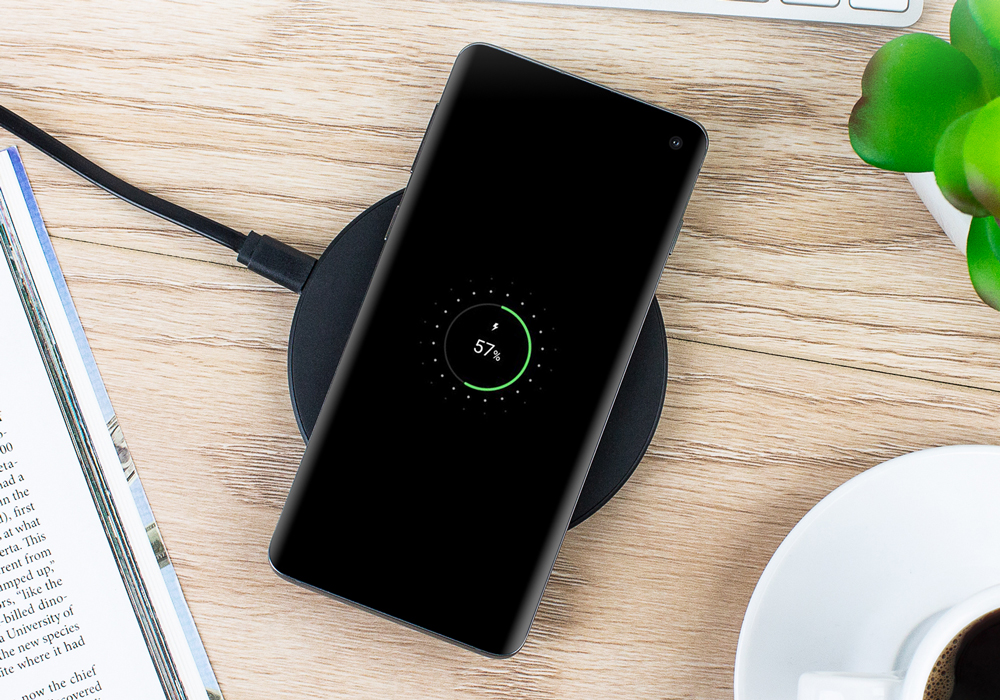
Magnetic Qi2 chargers are especially useful for iPhones as they help align the coils, improving efficiency and reducing extra heat, which matters in hot Indian climates. Some 3-in-1 stands let Indian users charge an iPhone, Apple Watch, and TWS case together, useful for creators and office workers.
Multi-Port Chargers and Gaming in India
Many homes do not have enough wall sockets, so multi-port chargers and power strips with integrated USB can reduce the need for extra extensions. Some models provide 60–100W total with two or three USB-C ports and one or two USB-A ports, which is ideal for families or PG rooms.
Gamers using phones, handheld consoles, or gaming laptops benefit from docking chargers that combine HDMI output and USB-C power. These can let a Samsung or Motorola phone power DeX or Ready For on a TV while charging, reducing clutter..

Simple Buying Checklist
This checklist keeps buying decisions easy and safe.
- Check your phone’s official fast charging wattage and protocol (PD, PPS, SuperVOOC, HyperCharge).
- If you want the absolute maximum speed, buy the original charger from the same brand or an officially certified one.
- If you want flexibility for multiple devices, pick a 33–67W USB PD PPS charger from a reliable brand available on Amazon/Flipkart.
- Always buy properly rated USB-C cables with clear wattage markings and, ideally, E-marker support.
- For laptops and phones together, choose 65–100W multi-port chargers that support PD and PPS.
Prioritize reputable brands with safety chips against overheat/short circuits. Check phone specs for max W/protocol—e.g., S25 Ultra 45W PD, iPhone 17 40W. Higher W future-proofs without voiding warranties if standards match. So, if you’re asking best phone charger, then the most optimistic option will be the brand’s own charger, but third-party options will sometimes be cheap! like: Porttronics, Anker, Stuffcool, or Ugreen chargers are also considerable