
If you’re planning a new PC build or upgrade in 2026, there’s one component you should pause on before hitting “Buy Now”: your memory. DDR5 RAM promises blazing speeds and future-proofing, but the reality in India right now is more complicated. Prices have skyrocketed, performance gains aren’t always worth the premium, and platform compatibility can trap you in expensive upgrades. Here’s what you need to know before spending ₹8,000–₹15,000+ on a DDR5 kit.
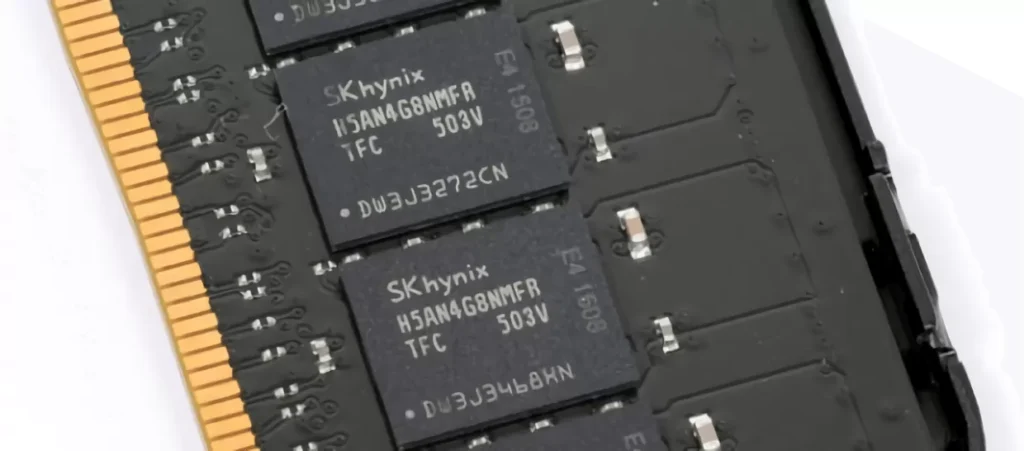
The Price Shock: DDR5 Is 2–3× More Expensive
The biggest reason to hesitate on DDR5 in late 2026 is cost. Globally, DDR5 prices have exploded over the last few months, with some kits seeing triple or even quadruple price increases since late 2025. In India, the situation is even steeper: DDR5 RAM prices are up over 100% year-over-year, with no relief expected before late 2026 or early 2027.
A typical 32GB (2×16GB) DDR5-6000 kit that sold for around ₹6,000–₹8,000 in late 2025 now starts at ₹12,000–₹15,000, if it’s even in stock. By comparison, a similar-capacity DDR4-3200 kit that was ₹4,000–₹5,000 is now ₹7,000–₹9,000—still painful, but far more manageable. Even single 32GB DDR5 SODIMM modules for laptops are touching ₹75,000+ in some cases due to supply constraints.
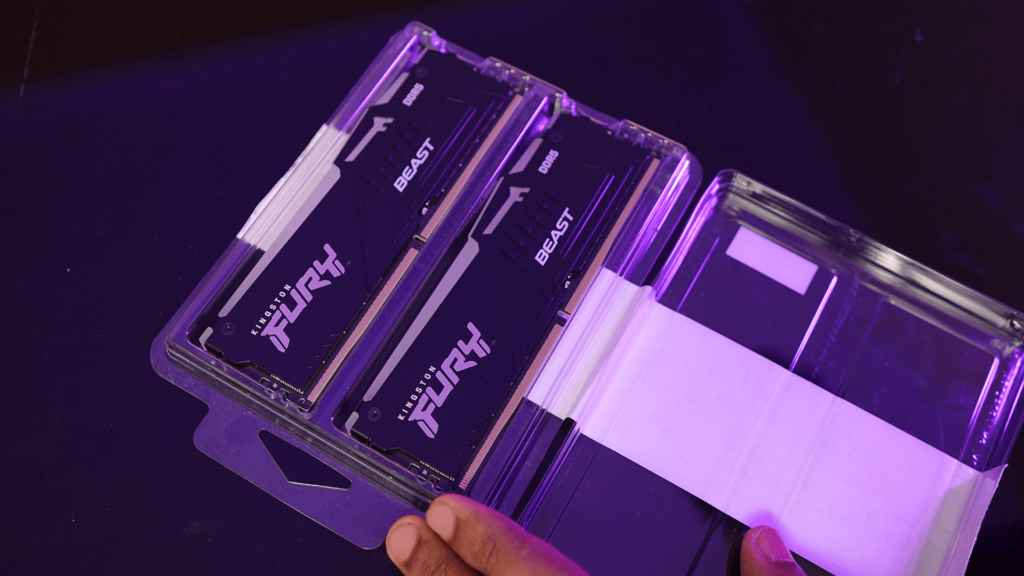
If you’re on a budget, that extra ₹5,000–₹8,000 could buy you a better GPU, more storage, or a higher-refresh monitor—components that impact gaming and productivity far more than RAM speed.
Performance Reality: DDR5 Isn’t Always Faster in Games
Marketing tells you DDR5 is “the future,” but benchmarks tell a different story for most gamers. At 1080p with a high-end GPU (like RTX 4080/4090 or RX 7900 XTX), DDR5-6000 CL30 typically delivers a 5–15% uplift in average FPS over DDR4-3600 CL18, with noticeably better 1% lows (reduced stuttering). However, at 1440p or 4K, the GPU becomes the bottleneck, and the RAM difference shrinks to under 3%—often within measurement noise.

Real-world gaming tests show DDR5 delivering up to 27% more FPS in CPU-bound titles like Cyberpunk 2077 and Red Dead Redemption 2 at 1080p, but these gains vanish in GPU-limited scenarios. For esports titles like CS2, the uplift is just 6%, and for most AAA games at higher resolutions, it’s negligible.
If you’re primarily gaming at 1440p or 4K, DDR5’s performance advantage is minimal. You’re paying a 50–100% premium for 3–5% more FPS in most scenarios.
Platform Lock-In: DDR5 Means Expensive Motherboards and CPUs
DDR5 isn’t just about the RAM sticks—it locks you into specific platforms. Intel’s 12th, 13th, and 14th Gen CPUs support both DDR4 and DDR5, but AMD’s Ryzen 7000/9000 (AM5) and Intel’s upcoming LGA 1851 platforms are DDR5-only. If you buy a DDR5 motherboard now, you can’t downgrade to cheaper DDR4 later without replacing the entire platform.

AM5 motherboards (B650/X670) are already ₹12,000–₹20,000+, and DDR5 kits add another ₹12,000–₹18,000 for 32GB. By contrast, an AM4 (B550/X570) + DDR4 build can save you ₹10,000–₹15,000 total, with minimal gaming performance loss at 1440p/4K.
Unless you’re building a high-end workstation or planning to upgrade CPUs every 2 years, DDR5 platform lock-in is a costly commitment.
When DDR5 Actually Makes Sense
DDR5 isn’t a bad choice—it’s just overkill for most gamers in 2026. Here’s when it’s worth the premium:
- 1080p competitive gaming: If you’re chasing 300+ FPS in titles like Valorant, CS2, or Apex Legends, DDR5’s improved 1% lows reduce stuttering and improve consistency.
- Content creation and productivity: Video editing, 3D rendering, and large dataset workloads benefit from DDR5’s higher bandwidth (86 GB/s vs 51 GB/s for DDR4).
- Future-proofing AM5 builds: If you’re investing in AMD’s AM5 platform for long-term CPU upgrades, DDR5 is mandatory and makes sense as part of a 4–5 year plan.
- Workstations and servers: For AI, machine learning, or virtualization workloads, DDR5’s bandwidth and capacity (up to 128GB kits) justify the cost.
For everyone else—especially 1440p/4K gamers on a budget—DDR4 remains the smarter buy.
Smart Buying Tips for 2026
If you still want DDR5, here’s how to minimize the pain:
- Wait for sales: RAM prices fluctuate wildly. Track deals on Amazon India, MDComputers, and Vedant Computers during festive sales (Diwali, Republic Day).
- Buy 2×16GB, not 1×32GB: Dual-channel kits offer better performance than single sticks, and 32GB is the sweet spot for gaming and multitasking.
- Target DDR5-6000 CL30: This is the performance sweet spot for Ryzen 7000/9000 and Intel 13th/14th Gen. Faster kits (6400+ MT/s) offer negligible real-world gains but cost significantly more.
- Consider DDR4 if on AM4/Intel 12th–14th Gen: If you’re not locked into AM5, a DDR4-3600 CL16 kit saves you ₹5,000–₹8,000 with minimal gaming performance loss.
Also Read: Why GPUs Are Getting More Expensive Every Year?
The Bottom Line
DDR5 RAM is faster, more efficient, and future-proof—but in late 2026, it’s also wildly overpriced and overkill for most users. Unless you’re building a high-end 1080p gaming rig, a content creation workstation, or committing to AM5 for the long haul, DDR4 remains the better value. Save the extra money for a GPU upgrade, better cooling, or more storage—components that will impact your experience far more than RAM speed.