
If you’ve unboxed a new smartphone lately, you’ve probably noticed one thing missing: the charging brick. Phones stopped including chargers mainly to cut e‑waste, shrink packaging, and reduce shipping costs—while also letting brands sell adapters separately.
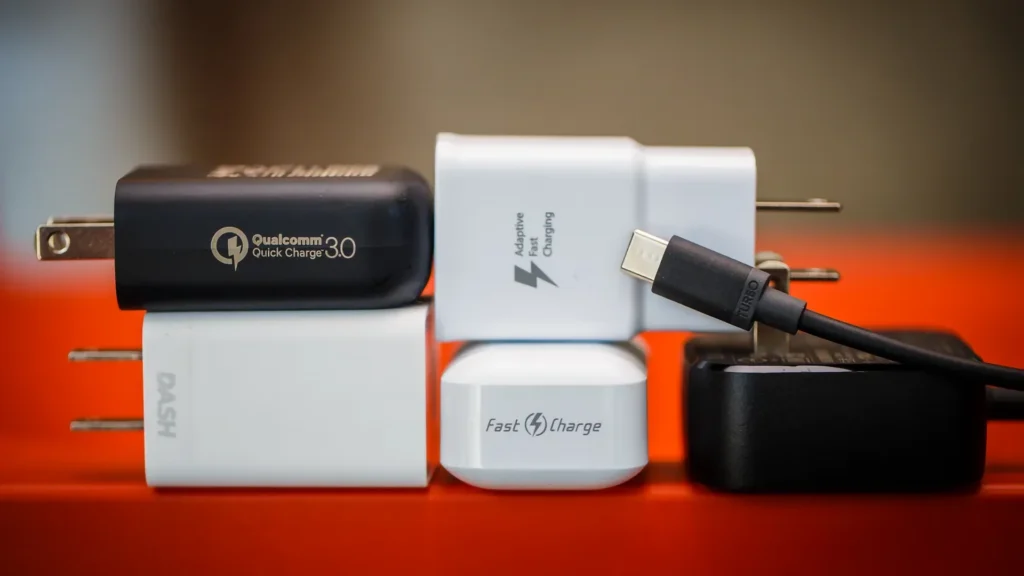
When Did This Change Start?
The trend went mainstream in 2020 when Apple removed the power adapter and EarPods from the iPhone 12 box. Samsung and other Android makers followed soon after, making “no charger in the box” the new normal across mid‑range and flagship phones.
Also Read: Can Your Old Laptop Run GTA 6? (Minimum Specs Explained)
The Official Reason: Environment and E‑Waste
Brands frame the move as an eco‑friendly decision.
- Less electronic waste: Companies argue most buyers already own USB chargers from older phones, tablets, or laptops, so adding another brick creates redundant e‑waste.
- Smaller packaging: Without a thick adapter, boxes become thinner and lighter, using fewer materials overall.
- Lower carbon footprint: Slimmer boxes mean more units per shipping pallet—Apple claimed up to 70% more phones per pallet—which reduces transport emissions per device.
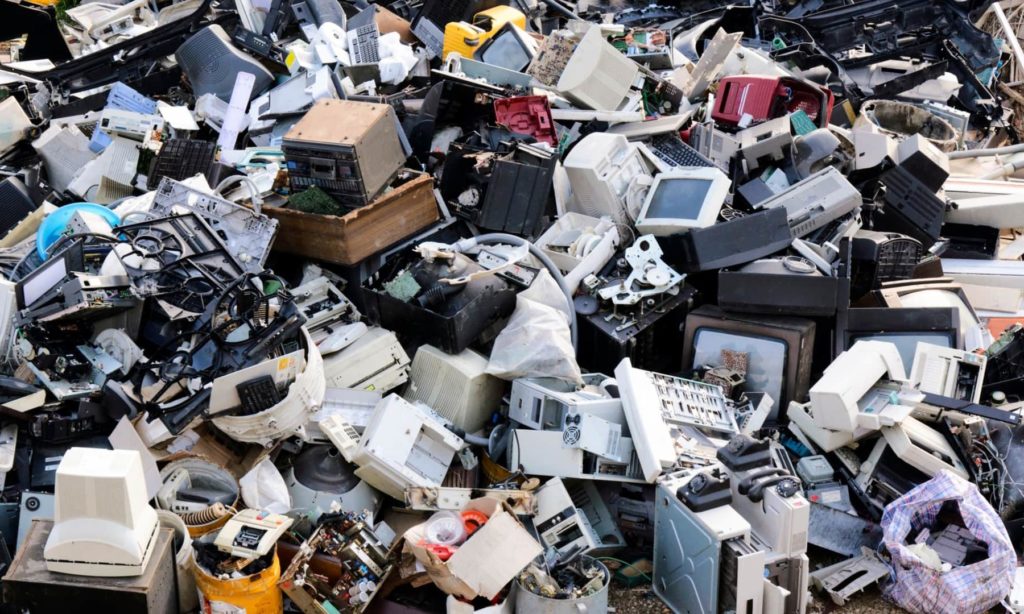
Apple estimated that removing chargers could prevent hundreds of thousands of metric tons of material use and significantly cut carbon emissions annually.
The Business Side: Cost, Logistics, and Accessories
Environmental benefits are real, but the decision also aligns tightly with business incentives.
- Manufacturing and logistics savings: Every omitted charger saves cost on the adapter itself, its certification, packaging, and freight. Multiply that by millions of units and the savings run into billions.
- Accessory revenue: Selling chargers separately turns a “free” item into a profit center, especially for fast‑charging bricks that cost more than basic 5W adapters.
- Standardization helps the shift: With USB‑C becoming the common port (and EU rules pushing a common charger), the argument that “everyone needs a new, brand‑specific adapter” weakened.
Also Read:

Why It Makes Sense Technically in 2026
By 2026, several technical and market realities make the “no charger” approach more practical than it was a decade ago.
- USB‑C ubiquity: Most phones, tablets, and even many laptops now charge over USB‑C, so one good 20–30W (or higher) adapter can power multiple devices.
- Fast charging fragmentation: Different brands support different fast‑charging standards (PD, PPS, proprietary protocols). Including a generic charger might not unlock a phone’s maximum speed, leading to confusion and returns.
- Higher base storage and features: As phones pack better cameras, displays, and chips, brands trim “non‑essential” box contents to keep retail prices competitive in markets like India.

What This Means for Indian Buyers
In India, where value‑for‑money matters, the missing charger hits differently.
- Extra cost at purchase: Budget and mid‑range buyers often need to spend ₹500–₹1,500 extra for a reliable 20–33W USB‑C charger if they don’t already own one.
- Quality concerns: Cheap, uncertified adapters can damage batteries or charge slowly. It’s smarter to buy a branded USB‑PD charger that matches your phone’s wattage.
- Reuse old adapters: If you have a USB‑C charger from an old Android phone, it will usually work fine for basic charging, even if it doesn’t hit peak fast‑charge speeds.
Also Read: Why eSIM Failed in India: Real Reasons Behind the Slow Rollout

Are Consumers Okay With It?
Reactions are mixed.
- Supporters say it reduces clutter and waste, especially for upgraders who already have multiple chargers at home.
- Critics call it “greenwashing,” pointing out that brands still sell chargers separately and that the environmental gain is partly a cover for higher margins.
- Regulators in some regions have even fined companies or mandated clearer disclosures when chargers are omitted.
How to Choose the Right Charger Now
Since you’ll likely buy a charger separately, here’s a quick checklist:
- Check your phone’s max charging wattage (e.g., 25W, 33W, 65W) in the specs.
- Pick a USB‑PD (Power Delivery) charger with equal or slightly higher wattage; the phone will draw only what it needs.
- Prefer reputable brands with proper safety certifications to protect battery health.
- Get a good USB‑C to USB‑C cable rated for your charger’s wattage (often 3A or 5A).

Final Take: Greener, Leaner, and More Profitable
Phones stopped including chargers because it checks multiple boxes: less e‑waste, smaller packaging, lower shipping emissions, and healthier accessory margins. For frequent upgraders with a drawer full of adapters, it’s a sensible shift. For first‑time smartphone buyers or budget users in India, it means one extra purchase—but also a chance to invest in a quality, future‑proof USB‑C charger that can power more than just your phone.