
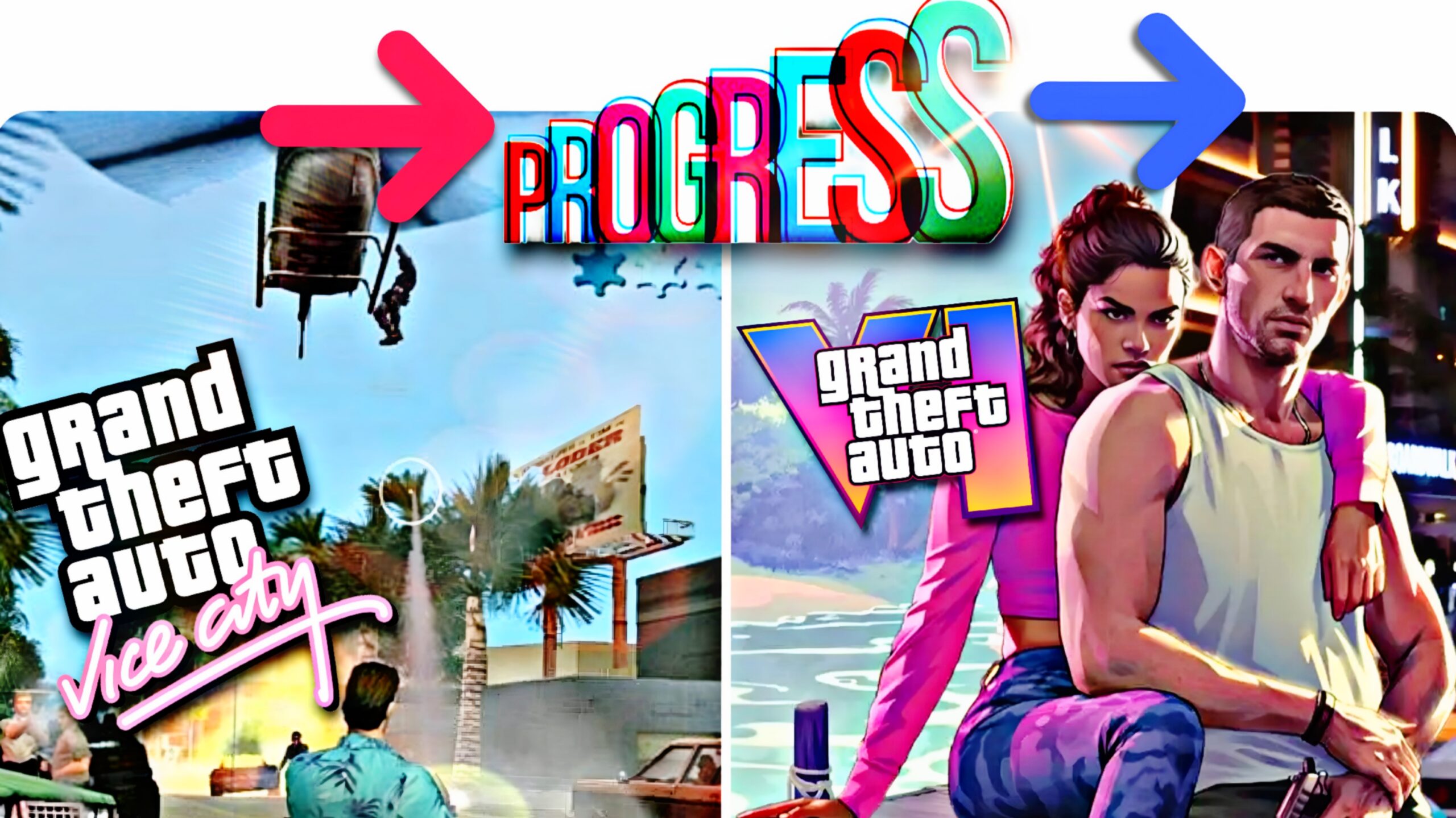
Rockstar Games has changed dramatically between GTA: Vice City and GTA 6. What began as a stylish crime fantasy set in a neon-soaked 1980s city has evolved into a massive, modern open-world experience built around realism, deeper systems, and a much larger sense of scale.
Two Games, Two Eras
GTA: Vice City defined the early 3D era of Grand Theft Auto with its colorful world, unforgettable music, and classic rise-to-power storyline. GTA 6, on the other hand, is Rockstar’s latest attempt to push open-world gaming into a new generation with advanced visuals, a bigger map, and a more contemporary setting centered on Jason and Lucia in Vice City, USA [1][2].
The biggest surprise is not that Rockstar returned to Vice City, but how completely different that Vice City now feels. The new game is set in the state of Leonida and follows a criminal conspiracy that stretches across the region, showing how far Rockstar’s ambitions have expanded since 2002.
Also Read: Every GTA Game in Story Order
Rockstar’s Evolution in Game Design
One of the clearest differences between the two games is design philosophy. Vice City was built around compact mission design, a tightly focused map, and an atmosphere that leaned heavily into 1980s style and crime movie energy. GTA 6 appears to be built around a living, reactive world where weather, traffic, city density, and environmental detail matter as much as missions themselves.

Rockstar has moved from creating a memorable sandbox to building an ecosystem. That shift means the player is no longer just passing through a city; they are expected to exist inside a world th at feels active even when a mission is not happening.
Graphics and Visual Detail
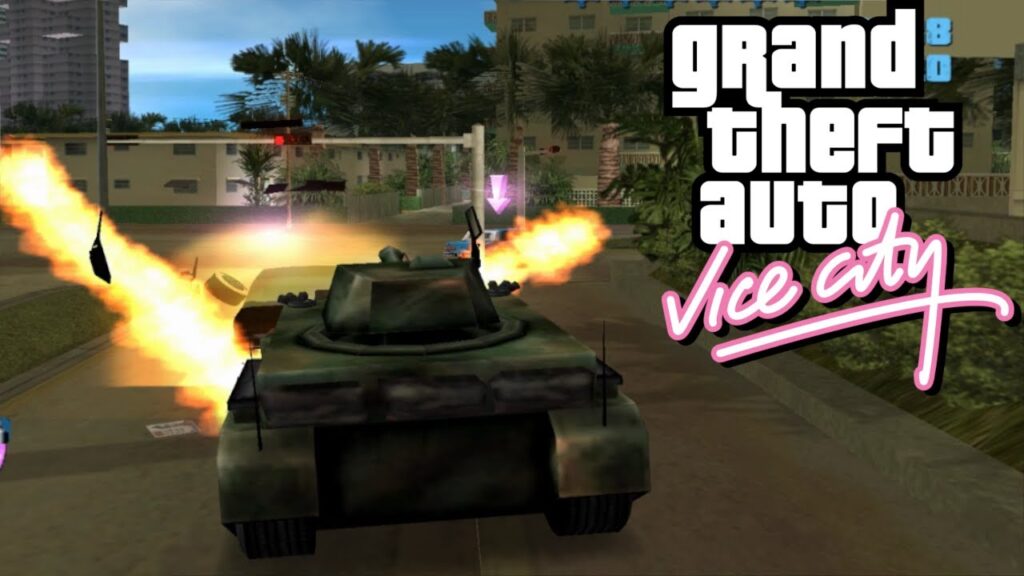
The visual leap from Vice City to GTA 6 is massive. The 2002 game used the technology of its time, which meant simpler character models, limited lighting, and a stylized look that still holds nostalgic value today. GTA 6 is showcasing modern lighting, reflections, and highly detailed city environments, with Rockstar’s latest Vice City footage giving fans a far more realistic look at the skyline and surrounding areas.

This visual shift is not just about prettier graphics. Higher fidelity allows Rockstar to sell mood, scale, and realism in a way the older game simply could not. In GTA 6, even a short aerial view of the city communicates a sense of density and activity that would have been impossible in the early 2000s.
Storytelling and Characters
The storytelling style has also matured. Vice City followed Tommy Vercetti’s classic criminal ascent, using a straightforward but highly effective narrative structure. GTA 6 introduces Jason and Lucia as dual protagonists, which opens the door to a more layered story involving partnership, conflict, and emotional tension.

This shift reflects how Rockstar now tells stories. Earlier GTA games were often focused on a single central figure and a strong cultural vibe. Newer Rockstar projects lean more toward character interaction, social commentary, and a story world that feels shaped by broader forces rather than just one criminal’s ambition.
World Scale and Immersion
The old Vice City map was compact, memorable, and very effective for its time. But GTA 6 is clearly aiming for something much larger and more detailed, with the state of Leonida extending beyond a single city and including different regions, landmarks, and terrain types.

That bigger scale changes how players will experience the game. Instead of learning one city and revisiting it repeatedly, players are likely to explore multiple environments with different pacing and identity. Rockstar is no longer designing just a city; it is designing a whole region that can support many kinds of activities and stories.
Tone and Cultural Satire
Another major change is the kind of satire Rockstar uses. Vice City was deeply rooted in 1980s excess, from radio culture to neon glamour and crime-film attitude. GTA 6 is shaped by the modern internet age, where social media, influencer culture, and viral behavior are part of the world’s DNA.

This is one of the smartest things Rockstar has always done: it updates its satire for the era it is released in. In Vice City, the joke was about the 1980s. In GTA 6, the joke is about the present day.
Why Rockstar Feels Different Now
Rockstar has changed not only in technology, but in scale, confidence, and cultural impact. Back in the Vice City era, the studio was still proving that open-world crime games could have personality and cinematic energy. Today, every new GTA reveal feels like a global event, because Rockstar has become one of the few studios capable of making a game feel larger than the medium itself.
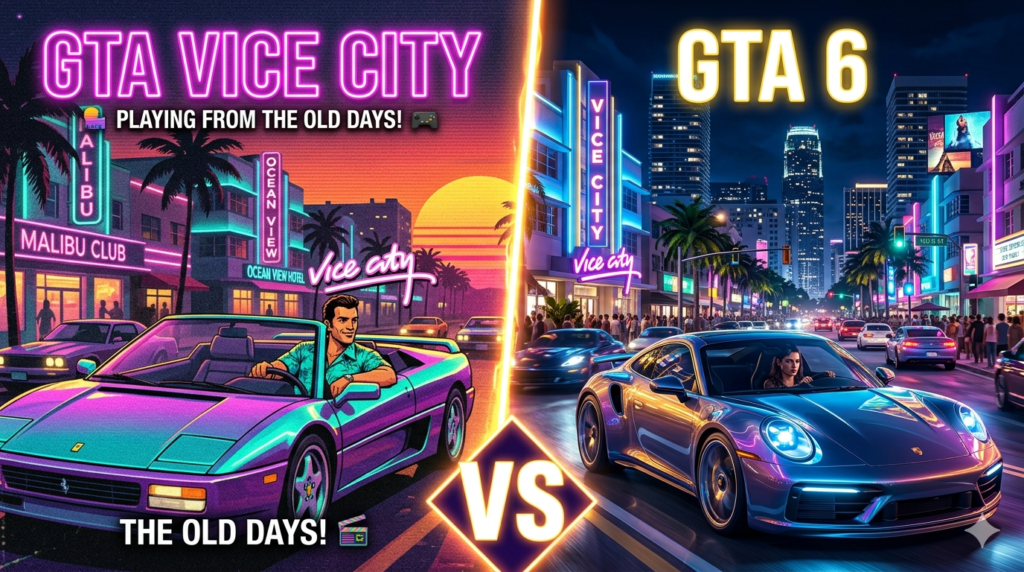
That reputation comes from years of refining world-building, animation, mission design, and technical ambition. GTA 6 is not just a sequel; it is the result of decades of learning how to build games that feel alive, memorable, and culturally dominant.
Also Read: The Biggest GTA 6 Leaks and Rumored Features So Far (2026)
Conclusion: From Style to Simulation
So, how much has Rockstar changed from GTA: Vice City to GTA 6? The answer is: almost everything except its core identity. Rockstar still loves crime stories, strong settings, and bold attitude, but it now expresses those ideas through far more detailed worlds, modern themes, and deeper simulation.
If Vice City was Rockstar’s style era, GTA 6 is its simulation era. Both are ambitious, but they represent two very different generations of game design, storytelling, and open-world immersion.