
For many gamers, Grand Theft Auto: Vice City is more than a title in a long-running franchise; it’s a cultural touchstone. Launched in 2002, Vice City married an irresistible 1980s aesthetic with open-world freedom, memorable characters, and a soundtrack that still sparks nostalgia. But the arrival of Grand Theft Auto VI has stirred mixed emotions among the old-school Vice City crowd. Some embrace the new game’s technical achievements, while others feel alienated. The reasons go beyond graphics and performance: they’re rooted in memory, accessibility, design choices, and changing player expectations.
Also Read: Can Your PC Run GTA 6?

Nostalgia versus Modern Ambition
Nostalgia is the first and most powerful reason. Vice City doesn’t just remind players of a city and missions; it encapsulates a time in life—late-night sessions after school, crowded internet cafés, and simple hardware that somehow ran a sprawling sandbox. Those memories sharpen the game’s emotional value, making it hard for any sequel to compare. GTA 6, with its modern fidelity and cinematic ambition, competes against decades of memory. When a game becomes an emotional landmark, newcomers—no matter how refined—may fail to replace that personal significance.

Scale and Complexity: A Double-Edged Sword
GTA 6’s promise of massive, detail-rich worlds, realistic NPC behavior, and intricate systems reflects the industry’s push toward simulation-level immersion. That ambition produces incredible moments, but it also changes the feel of play. Vice City’s relative simplicity—fewer systems to learn, less cinematic scripting, and more room for player-created chaos—allowed improvisation and experimentation. Older players often miss the sandbox that felt malleable and forgiving. In contrast, modern design tends toward tightly scripted set pieces and mission pacing that steer players more directly. For some Vice City veterans, that structure can feel constraining.

Accessibility and Hardware Requirements
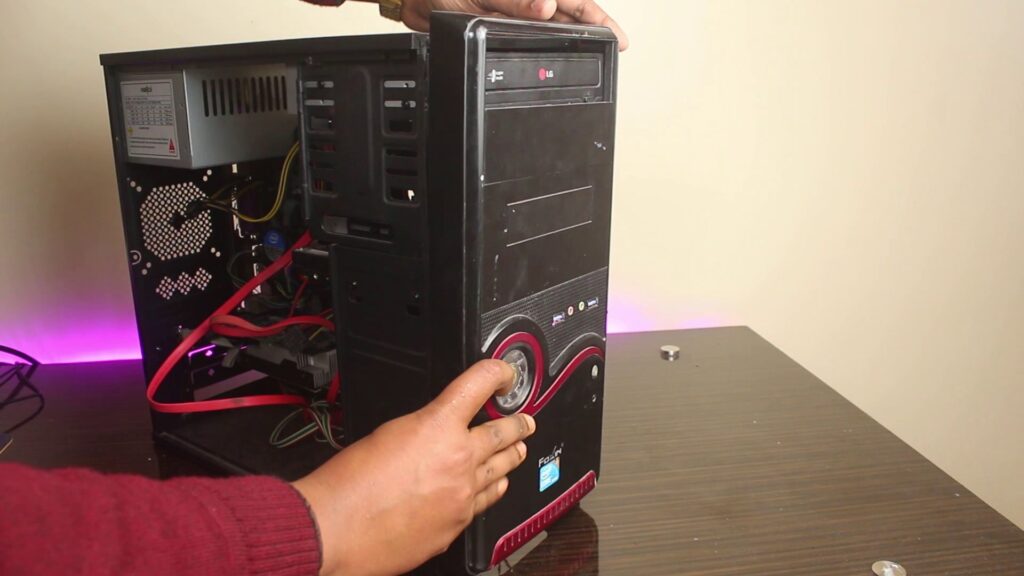
One of the starkest contrasts between Vice City’s era and GTA 6 is hardware accessibility. Back in school, many of us played Vice City on modest machines—laptops or desktops with basic CPUs and GPUs—often installed from discs or pirated copies, running at low settings but delivering the core experience. Those memories foster a feeling that good games can run on humble hardware. GTA 6, however, targets contemporary consoles and high-end PCs, leveraging ray tracing, photogrammetry, and dense simulation. That raises two issues:
- Cost barrier: Not every player can afford a modern console or an upgraded PC. For many, especially younger players or those in regions with high hardware prices, GTA 6 becomes out of reach.
- Playability on older rigs: Even if someone manages to boot the game, performance compromises may cripple the experience—long load times, frame drops, and missing graphical effects degrade immersion.
This gap turns a once-universal pastime into a privilege. For players who grew up with Vice City’s accessibility, GTA 6’s steep hardware demands feel exclusionary.
Tone and Cultural Shifts
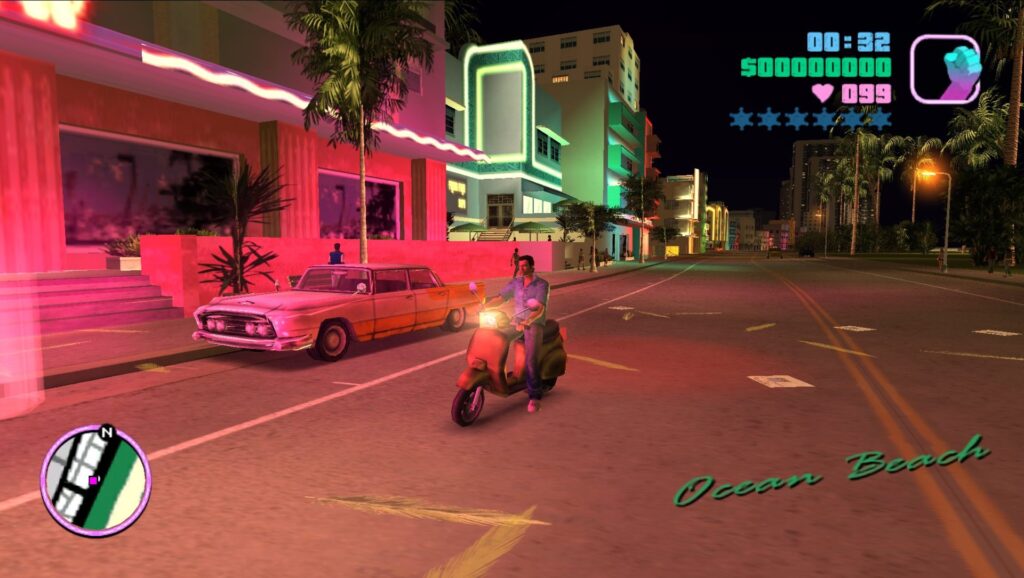
Vice City captured a stylized, exaggerated version of the 1980s—over-the-top characters, bright neon, and darkly comic storytelling. Its tone was often irreverent, and the world felt smaller and more theatrical. Modern entries pursue realism and social relevance in different ways, sometimes toning down cartoony excesses in favor of nuance. That tonal shift can alienate players who loved Vice City’s bold caricatures and simpler moral palette. They miss the outrageous heists and villainous ham that made the earlier games gleefully transgressive. When a franchise evolves socially and stylistically, it risks leaving part of its fanbase behind.
Multiplayer and Online Focus
Rocks in the pond of many modern AAA titles is the heavy emphasis on persistent online modes and monetization. GTA Online transformed GTA V’s lifecycle and introduced a revenue model centered on live services. While GTA 6 may continue and expand online elements, some Vice City purists fear a similar drift away from crafted single-player stories toward repeated content drops and microtransactions. For players who cherish narrative-driven campaigns and single-session sandboxing, an online-first design feels like a departure.
Pacing and Mission Design
Vice City’s mission structure could be blunt and memorably chaotic: get in a car, chase, crash, or awkwardly fail and try again. There was room for improvisation and joy in failure. Newer GTA iterations often refine mission design with cinematic beats, quick-time events, and tighter control over player experience. While those features increase dramatic impact, they can also reduce the sense that you’re freely making your own mayhem. For players who love unexpected outcomes that aren’t “designed” for hero moments, this shift reduces replayability and the satisfaction of emergent play.
Cultural Expectations and Representation
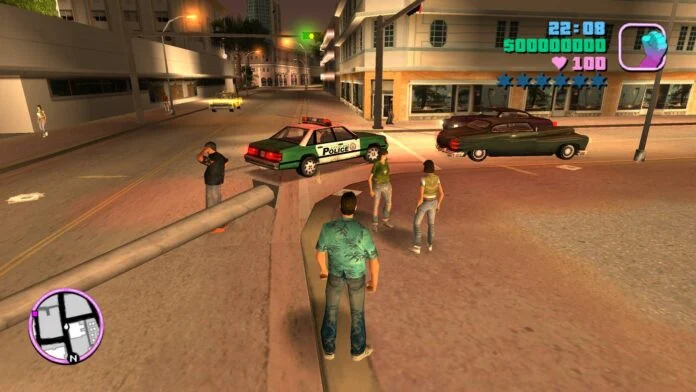
As AAA games attempt to be more culturally sensitive and broadly appealing, humor and character portrayals change. Vice City’s era included caricatures and jokes that today might be criticized for insensitivity. Modern developers are more cautious, aiming to avoid offense. For some, this feels like censorship of the franchise’s irreverent spirit; for others, it’s a welcome evolution. The point is that these cultural adjustments alter the franchise identity—and some Vice City fans prefer the older, darker, wilder edges.
My Personal Memory With GTA Vice City
I loved Vice City because it felt like my world after school — neon nights, loud radio stations, and impossible stunts with friends. I’d rush home, boot the game on our slow school-era PC, and lose hours driving around in pastel cars, hunting for hidden packages, and replaying the same missions. I used a lot of cheat codes to make the game crazier and more fun, something like: ASPIRINE, COMEFLYWITHME, PANZER, LOADSOFLITTLETHINGS, BIGBANG, PRECIOUSPROTECTION, etc. Where are those days! 🥲
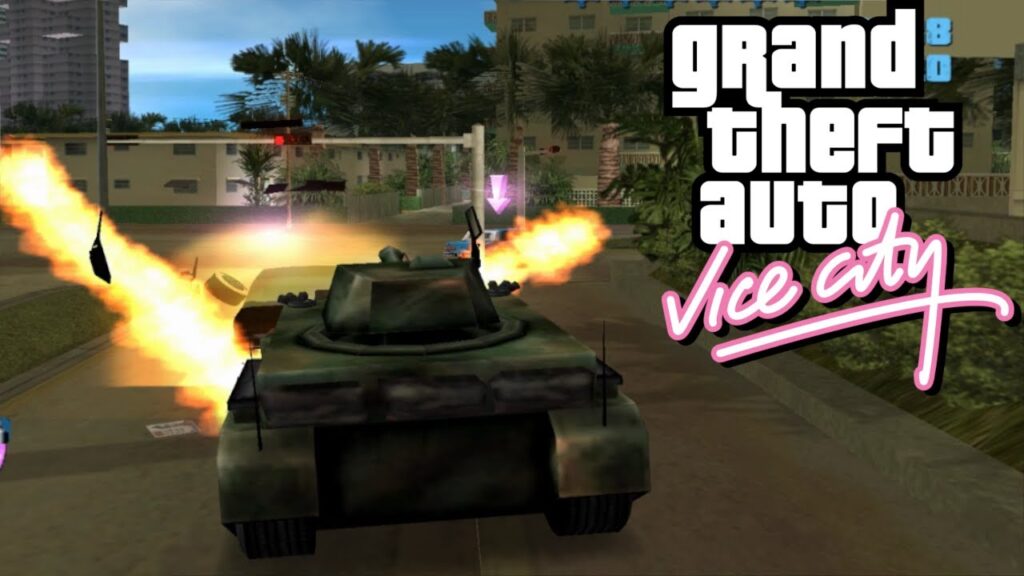
Today’s technological leaps mean richer worlds but also higher baseline requirements. In markets like India, where many gamers still use budget hardware, this disconnect is particularly visible. A teenager with a low-end laptop may never experience GTA 6 the way it was intended—if at all—so the cultural continuity breaks. The feeling that gaming is becoming more exclusive, economically and technically, is a legitimate source of disappointment for long-time players.
Don’t Miss: Best PC Build for GTA 6
What Would Make GTA 6 More Appealing to Vice City Fans?
While some tensions are structural and inevitable, developers can mitigate them:
- Scalable settings: Deep graphical and simulation presets, including low-end profiles that preserve gameplay even if visual fidelity drops.
- Mod-friendly PC support: A community can recreate classic aesthetics or optimize performance if tools and support exist.
- Single-player focus: A substantial, well-written campaign that respects sandbox play and humor would please legacy fans.
- Throwback content: Optional skins, missions, or a “classic mode” that evokes Vice City’s tone without compromising modern systems.
Conclusion
The divide between Vice City loyalists and GTA 6 adopters isn’t just about pixels. It’s about who gets to play, how games make us feel, and what creative risks developers take as technology advances. Vice City remains beloved because it was accessible, exuberant, and formative for a generation. GTA 6 may showcase technical brilliance and narrative depth, but if it doesn’t preserve accessibility, sandbox freedom, and a slice of that irreverent soul, many Vice City players will remain skeptical. Your memory of school-day gaming—crowded rooms, low-spec PCs, high excitement—captures why this matters: games aren’t only products; they’re shared cultural experiences. When those experiences slip behind a hardware paywall, some players understandably mourn what’s been lost.
FAQ
Q1. Why might GTA Vice City fans not like GTA 6?
A: Some Vice City fans love the simple gameplay, nostalgic atmosphere, and 1980s setting. GTA 6 is expected to have a very different style, which may not appeal to everyone.
Q2. Is GTA 6 set in the same Vice City as the original game?
A: GTA 6 returns to Vice City, but it is a modern version of the city with new characters, technology, and gameplay mechanics.
Q3. Will GTA 6 be better than GTA Vice City?
A: Technically, GTA 6 will be far more advanced. However, some players may still prefer Vice City’s nostalgia, music, and classic gameplay.
Q4. Why is GTA Vice City still popular today?
A: GTA Vice City remains popular because of its memorable characters, iconic soundtrack, unique atmosphere, and nostalgic value.
Q5. Does nostalgia affect how players view GTA 6?
A: Yes. Many players have strong memories attached to GTA Vice City, which can influence how they compare it with newer games like GTA 6.