
DRAM and DRAM-less SSDs differ mainly in caching technology, impacting speed and reliability for gaming and content creation. Understanding this helps tech enthusiasts like you optimize PC builds for YouTube editing and high-performance gaming.
What is DRAM in SSDs?
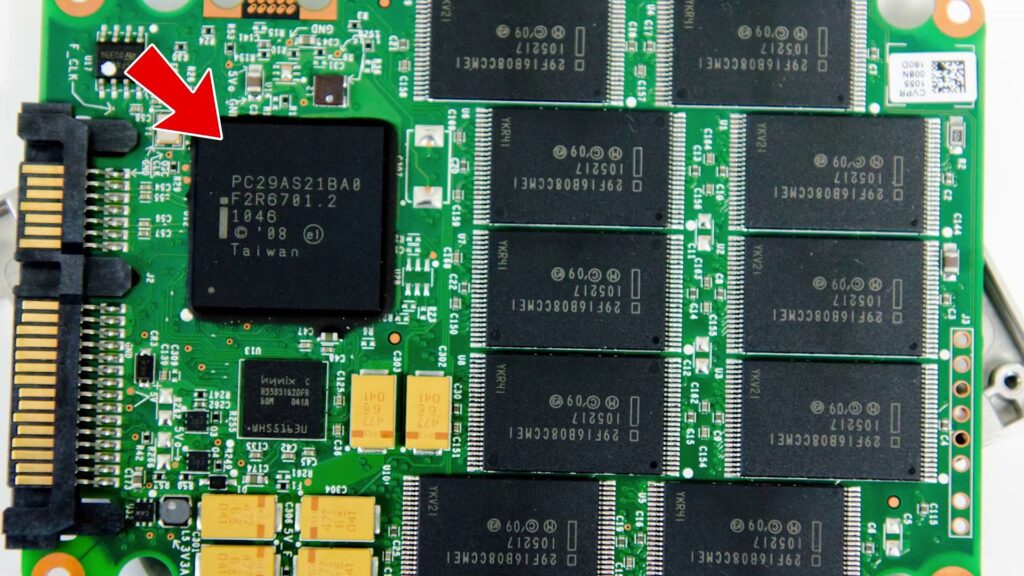
DRAM SSDs include dedicated Dynamic Random Access Memory chips on the drive. This cache stores the Logical-to-Physical address mapping table (FTL), enabling instant data location without querying slower NAND flash.
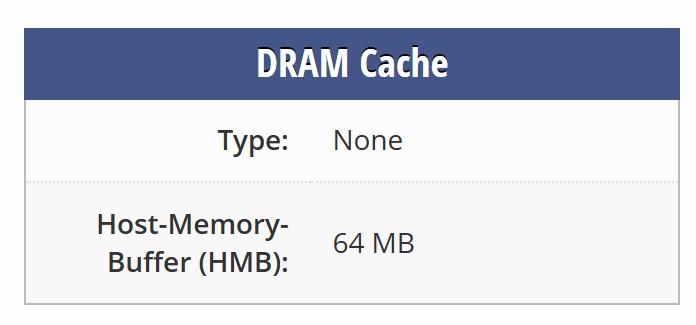
The mapping table tracks scattered data across NAND cells. Without DRAM, constant NAND reads slow operations; DRAM keeps this data in fast memory for low-latency access.
Typical DRAM capacity ranges 512MB-2GB on consumer SSDs, scaling with drive size. It acts like a super-fast notepad for the SSD controller. Before buying make sure the model you have selected has DRAM cace or not.
Alos Read: Best SSD Buying Guide 2026 – Don’t Buy Wrong SSD!
DRAM-less SSD Architecture
DRAM-less SSDs skip onboard DRAM, using NAND flash or Host Memory Buffer (HMB) instead. HMB borrows up to 64-128MB from system RAM via NVMe protocol for mapping.
SLC caching emulates faster storage temporarily, but fills up during heavy writes, dropping to TLC/QLC speeds. This suits light tasks but struggles with sustained workloads.
Cheaper manufacturing cuts BOM costs by 10-20%, appealing for budget drives. Modern controllers like Phison E19T optimize this setup effectively.
Performance Breakdown
| Metric | DRAM SSD | DRAM-less SSD |
| Random 4K Write (IOPS) | 500K-1M | 200K-500K |
| Sustained Write Speed | 1-2GB/s steady | Drops after SLC cache |
| Mapping Latency | <10µs | 50-100µs via HMB/NAND |
| Sequential Read/Write | 7,000/5,000 MB/s | 3,500/3,000 MB/s |
| Multitasking | Excellent | Good for bursts |
DRAM SSDs excel in random writes crucial for OS, apps, and games. Tests show 2-3x faster sustained performance after cache exhaustion.
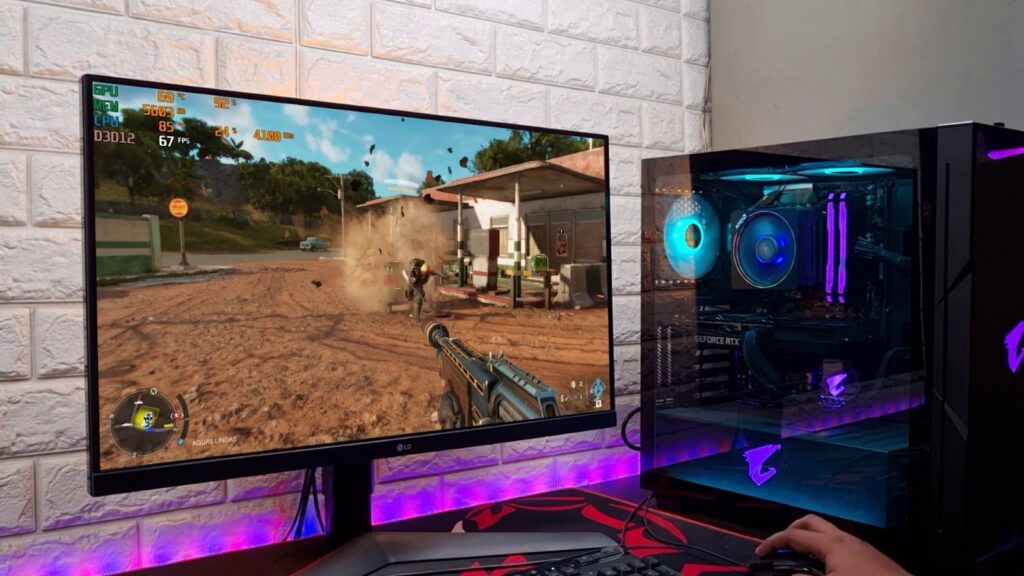
For gaming, DRAM reduces stutter in open-world titles by maintaining asset loading. Video editors notice faster 4K timeline scrubbing.
Real-World Impact
Gaming and Content CreationAdvertisement
DRAM SSDs handle DirectStorage and large game installs without hiccups. If you’re a content creator then the edit will be much smoother on DRAM for multi-layer timelines.
DRAM-less works for game libraries but lags during installs or mods. Benchmarks like PCMark 10 show 15-25% gaps in creative suites.
Don’t Miss: NVMe vs SATA SSD – Is NVMe Really Worth It in 2026?
Daily Use and Budget Builds
Browsing, office apps see negligible differences—both boot Windows in 10 seconds. DRAM-less shines in read-heavy NAS or media servers.
Power savings (1-2W less) extend laptop battery life slightly. Ideal for secondary drives storing game backups.
Professional Workloads
VMs, databases demand DRAM for consistent IOPS. DRAM-less suits surveillance or logging with sequential writes.
Endurance favors DRAM (higher TBW) due to wear leveling efficiency. Both last 5+ years for consumers.
Cost and Availability in India
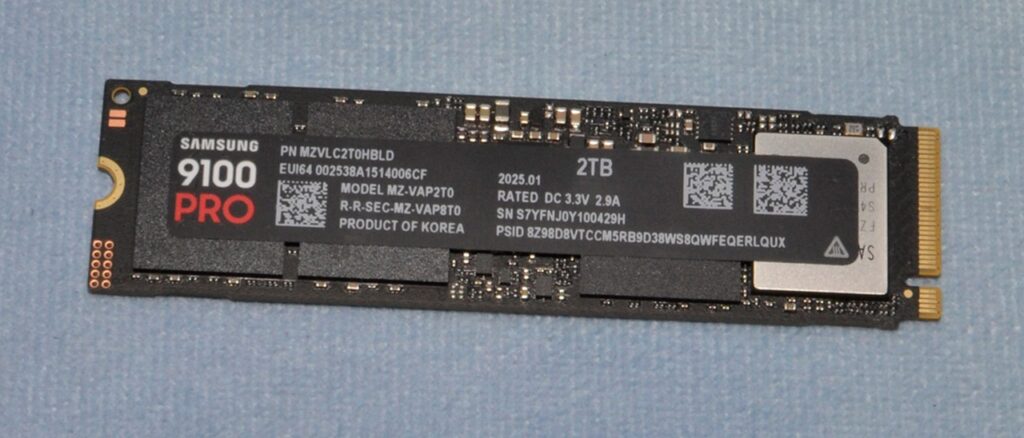
DRAM-less 1TB NVMe costs ₹3,500-4,500; DRAM versions ₹5,000-7,000. Brands like Crucial P3 (DRAM-less) vs Samsung 990 Pro (DRAM) exemplify this. Check this DRAM SSD: Samsung SSD 9100 PRO one of the best SSD for content creators and gamers. If u don’t care about DRAM cache then Crucial P310 could be a good option to go: Check this out.
Value pick: DRAM for boot/OS drive, DRAM-less for storage. Matches your PC hardware blogging focus.
Pros and Cons
DRAM SSD Strengths
- Superior sustained performance.
- Reliable for heavy multitasking.
- Better longevity in writes.
DRAM SSD Weaknesses
- Higher cost and power draw.
- Overkill for basic tasks.
DRAM-less SSD Strengths
- Budget-friendly and efficient.
- Adequate for most users.
- Lower heat output.
DRAM-less SSD Weaknesses
- Performance cliffs post-cache.
- Relies on system RAM.
How to Identify Them
Check specs: “DRAM cache” listed means it has it. Tools like CrystalDiskInfo reveal controller and cache post-install. Now you may think where should I get the perfect specs? here’s a website called TechPowerUp – Here you will get all the info ou need.
HMB-enabled DRAM-less needs NVMe support; SATA versions suffer more. Prioritize Phison/Micron controllers for best DRAM-less results.
Recommendations for You
For gaming rigs and content creation, pair NVMe DRAM SSD (e.g., WD Black SN850X) as primary. Add DRAM-less for bulk storage.
Budget upgrade path: Start DRAM-less, move to DRAM later. Test with AS SSD benchmark matching your tech review style.
Future PCIe 5.0 drives emphasize DRAM for max speeds. Aligns with your DDR5 research and EV tech interests—fast cache like quick-charging batteries.
FAQ
Q1. What is DRAM in SSD?
A: DRAM is a cache memory in SSD that helps improve speed and performance.
Q2. Is DRAM-less SSD bad?
A: Not bad, but it is slower compared to SSDs with DRAM, especially for heavy tasks.
Q3. Which SSD is faster?
A: SSD with DRAM is generally faster and more stable.
Q4. Best SSD type for gaming?
A: NVMe SSD with DRAM is best for gaming performance.