
If you’re planning to buy an RTX 5060 in 2026, stop for a minute. There are a few critical things you need to know before spending your money—especially if you’re in India, where prices, taxes, and availability can change the value equation completely.
This guide breaks down what the RTX 5060 really offers, where it shines, where it struggles, and whether you should buy it now, wait for a deal, or consider alternatives like the RTX 4060 Ti, used GPUs, or even AMD options.
What Is the RTX 5060? Quick Specs Overview
The RTX 5060 is NVIDIA’s mainstream 1080p gaming GPU from the Blackwell 2.0 generation, launched in May 2025 with an MSRP of $299 (around ₹25,000–₹28,000 before Indian taxes and importer margins).
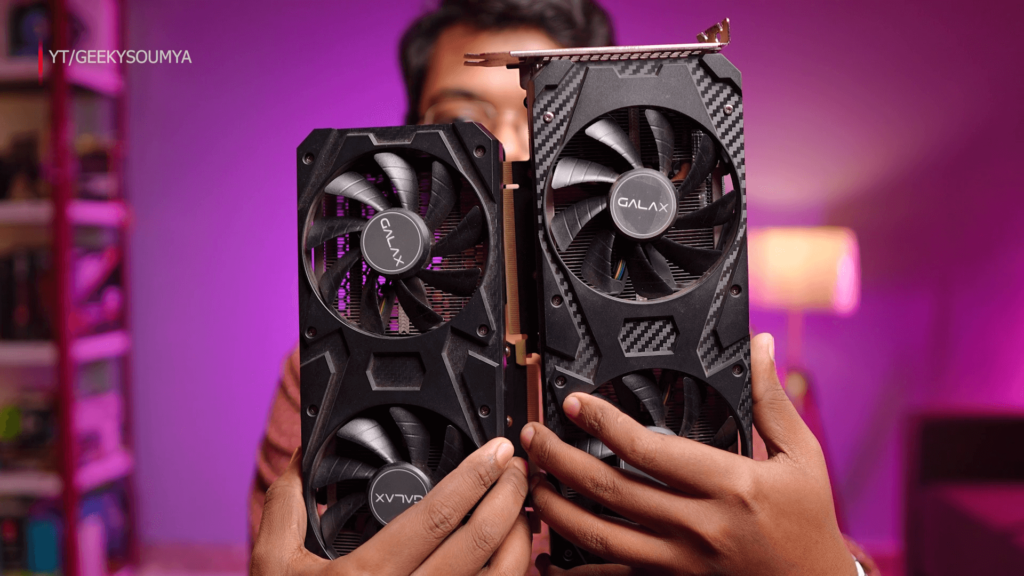
Key specifications:
- GPU: GB206 (Blackwell 2.0)
- VRAM: 8GB GDDR7
- Memory bandwidth: ~448 GB/s
- TDP: ~145–160W
- Boost clock: ~2497 MHz
- DLSS: DLSS 4 with Multi Frame Generation (MFG)
- Target resolution: 1080p high-refresh, light 1440p
On paper, it looks like a clean upgrade over the RTX 4060, especially with GDDR7 memory and DLSS 4 support.
RTX 5060 Performance: The Good, the Bad, and the “It Depends”
The Good: Strong 1080p Gaming + DLSS 4
In 1080p gaming, the RTX 5060 delivers solid performance:
- Averages around 88–95 FPS at 1080p Ultra in many modern titles.
- DLSS 4 Multi Frame Generation can push frame rates significantly higher in supported games, making it future-proof for AAA titles that adopt the tech.
- Power efficiency is decent for its class (~145–160W TDP), so it works well with 550–650W PSUs common in Indian builds.
Also Read: Why GPUs Are Getting More Expensive Every Year?
For new 1080p builds focused on high-refresh esports and AAA with DLSS, the 5060 is a strong choice.
The Bad: 8GB VRAM Ceiling & Raw Raster Limits
Here’s where things get tricky:
- Only 8GB VRAM: Just like the RTX 4060, the 5060 is limited to 8GB, which is becoming a bottleneck in newer titles at high/ultra textures, even at 1080p.
- Raw raster performance isn’t dramatically ahead of a well-priced RTX 4060 Ti 16GB in some scenarios, especially where DLSS 4 isn’t supported yet.
- In India, after GST, import margins, and brand premiums, many RTX 5060 cards land closer to ₹32,000–₹36,000, which narrows the value gap vs. last-gen options.
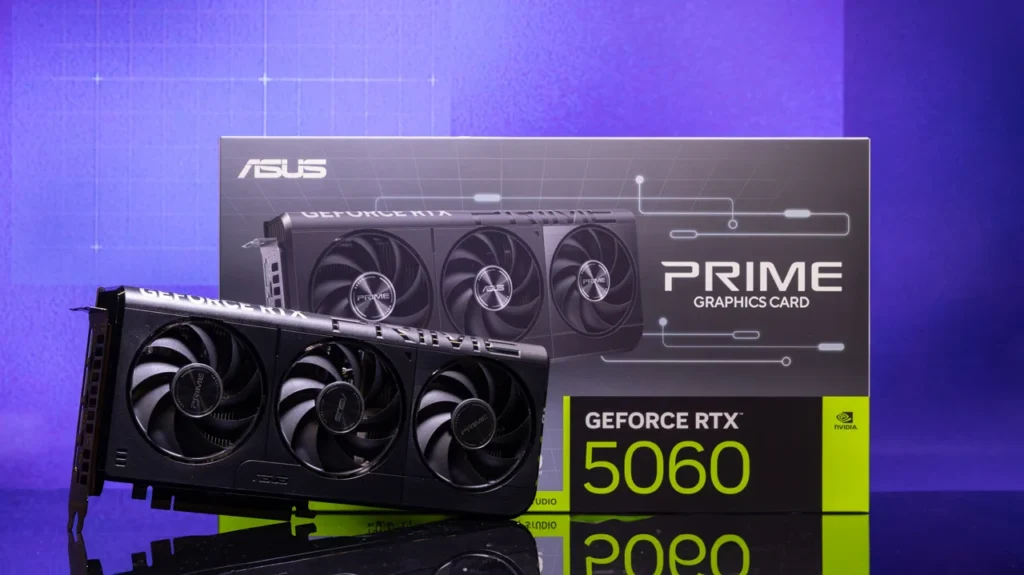
If you care about longevity and texture-heavy games (think open-world AAA, modded titles, or future releases), 8GB is a real limitation to consider.
RTX 5060 vs RTX 4060 / 4060 Ti: Should You Upgrade or Switch?
RTX 5060 vs RTX 4060
- Both are 8GB cards, but the 5060 uses GDDR7 and supports DLSS 4 MFG, while the 4060 is limited to DLSS 3.
- In raw FPS, the 5060 is typically 10–20% faster than the 4060 at 1080p, depending on the game and settings.
- If you’re building fresh in 2026 and can afford the 5060 at a reasonable price, it’s the better pick for new systems.
But if you already own an RTX 4060 and your frame rates are “good enough,” the upgrade isn’t urgent unless you specifically want DLSS 4 features.
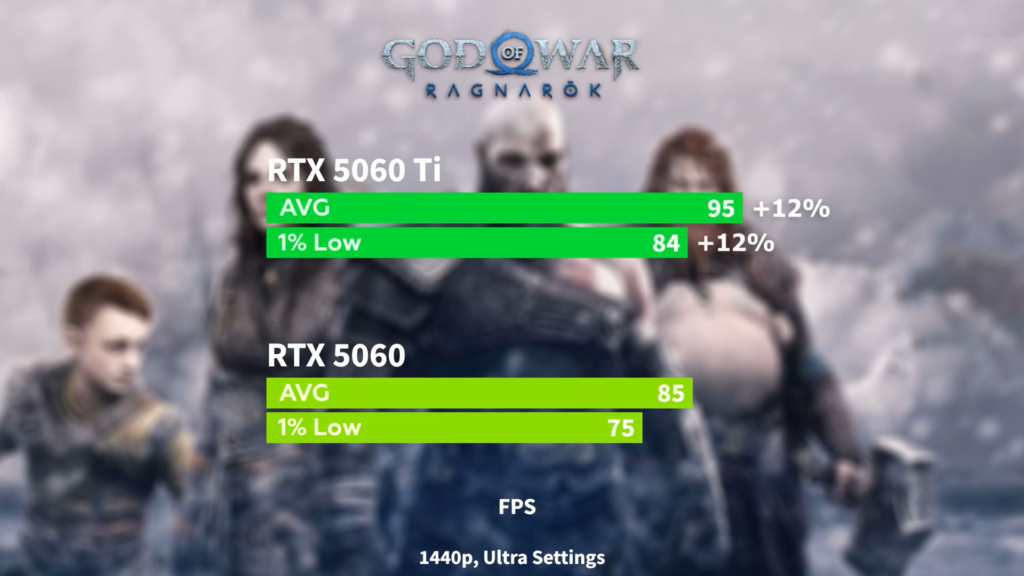
RTX 5060 vs RTX 4060 Ti 16GB
This is where it gets interesting for Indian buyers:
- The RTX 4060 Ti 16GB has double the VRAM (16GB vs 8GB), which matters more over time than a small raw FPS gap.
- In pure raster (non-DLSS) performance, the 4060 Ti 16GB can be very competitive with the 5060, and in some VRAM-heavy scenarios, it may even feel smoother.
- However, the 4060 Ti does not support DLSS 4 MFG, so in future titles that lean heavily on frame generation, the 5060 could pull ahead.
If you find a good deal on a used or discounted 4060 Ti 16GB around the same price as a new 5060 in India, it’s a legitimate alternative—especially if you play texture-heavy games or plan to keep the card for 4–5 years.
India Reality Check: Price, Availability, and Smart Buying
In the Indian market, MSRP is just the starting point. By the time you add:
- GST
- Import duties and channel margins
- Brand premiums (ASUS, MSI, Gigabyte, etc.)
…an RTX 5060 can easily cross ₹33,000–₹36,000, depending on the model and city.
At that price, ask yourself:
- Can I get a discounted RTX 4060 Ti 16GB(new or used) for similar money?
- Would waiting for festival sales (Diwali, Amazon/Flipkart Big Billion Days) drop the price by ₹2,000–₹4,000?
- Do I truly need DLSS 4 now, or am I okay with DLSS 3 for the next 1–2 years?
If you’re on a tight budget and mainly play esports titles (Valorant, CS2, Apex, Fortnite) at 1080p, even a well-priced RTX 4060 or 4060 Ti might give you 90% of the experience for less.
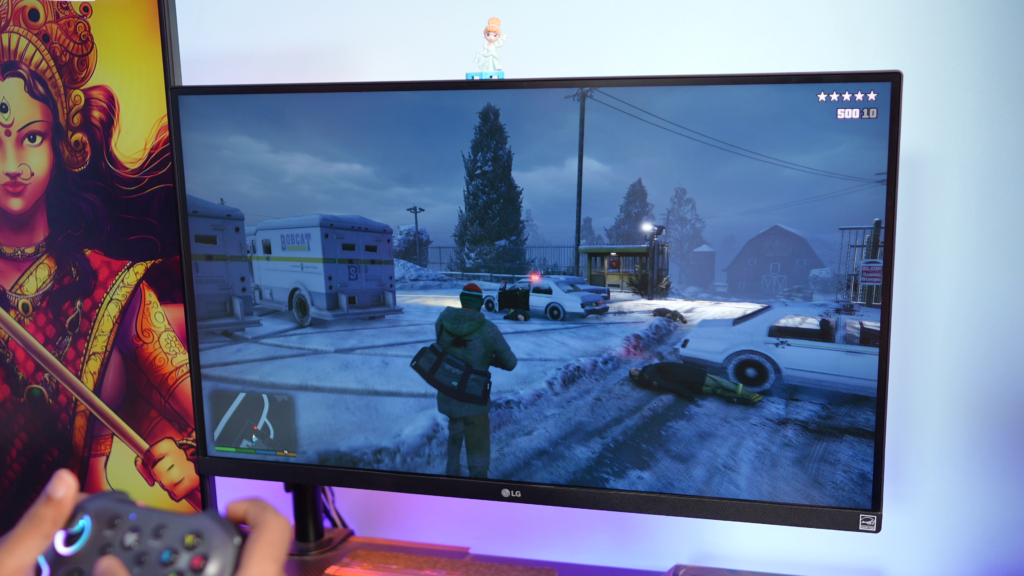
Who Should Buy the RTX 5060 in 2026?
The RTX 5060 makes sense if:
- You’re building a new 1080p high-refresh gaming PC in 2026.
- You want DLSS 4 Multi Frame Generation for upcoming AAA games.
- You find it at a reasonable price (ideally under ₹33,000 for a dual-fan model).
- You don’t plan to push ultra textures in very heavy open-world games for years.
It’s less ideal if:
- You already have an RTX 4060 or 4060 Ti and your performance is acceptable.
- You care more about VRAM headroom than cutting-edge frame generation.
- You can get a 16GB card (like 4060 Ti 16GB or an AMD alternative) at a similar price.
Final Verdict: Don’t Buy Blind—Buy Smart
The RTX 5060 is a good 1080p GPU with modern features, but it’s not an automatic “must-buy” for everyone in India. Before you click “Buy Now”:
- Check current Indian prices across Amazon, Flipkart, and local retailers.
- Compare with RTX 4060 Ti 16GB deals (new and used).
- Decide how much you value DLSS 4 vs extra VRAM for long-term use.
If the price is right and you’re building fresh, the RTX 5060 is a smart pick. But if you’re upgrading from a 4060/4060 Ti or find a 16GB alternative at a similar cost, you might want to think twice.