
If you already have a decent DDR4 gaming or productivity PC in 2025, jumping to DDR5 is not as obvious as the marketing suggests. While DDR5 is clearly the future for new builds, the combination of high RAM prices, platform costs, and limited real‑world gains means many users are better off holding onto DDR4 a bit longer.
Also Read: RTX 5060 8GB Blasted My Expectations at ₹32K!

Why DDR5 Looks So Attractive on Paper
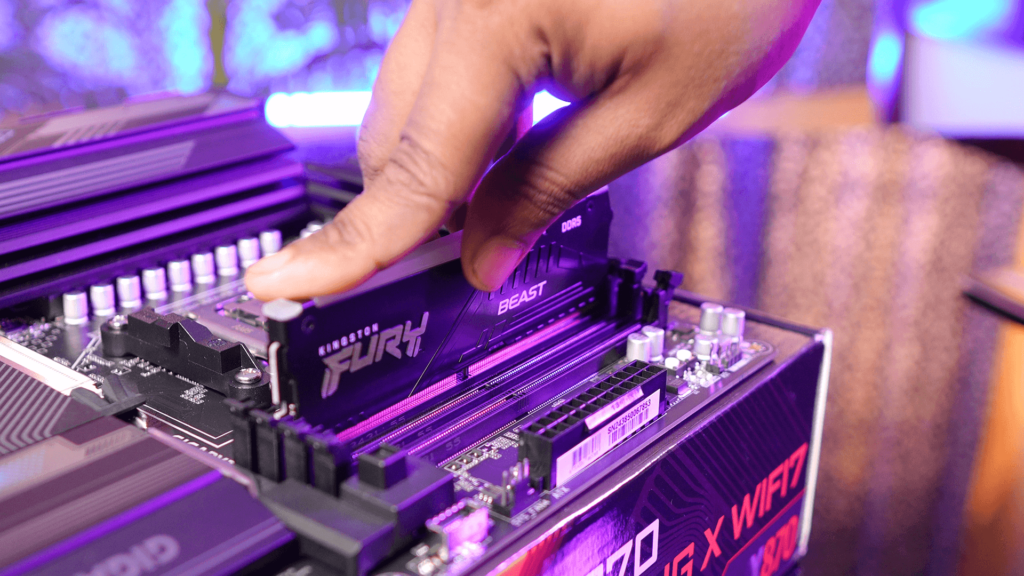
DDR5 brings higher bandwidth, higher frequencies, and better power efficiency compared to DDR4. Typical gaming‑focused DDR5 kits now sit around 5600–6000 MT/s, whereas mainstream DDR4 tops out around 3200–3600 MT/s for most users. This extra bandwidth can help in some situations, especially:
- High‑FPS 1080p competitive gaming.
- Heavy multitasking, such as gaming plus streaming plus background apps.
- Content creation workloads that scale with memory bandwidth.
Benchmarks from multiple 2025 guides show DDR5 can deliver roughly a 5–15% uplift in certain CPU‑bound games and workloads when paired with modern CPUs. On top of that, DDR5 operates at lower voltage and integrates power management on the module, improving power efficiency over DDR4, which is beneficial for laptops and low‑power systems.
On paper, all of this makes DDR5 look like a must‑have for any “future‑proof” PC build.
The Hidden Cost: New Motherboard and CPU
The biggest trap for existing DDR4 users is that you cannot simply buy DDR5 sticks and slot them into your current board. DDR5 uses a different physical slot and is only supported on newer platforms like Intel’s latest generations and AMD’s AM5 boards.
If you are on an older platform such as Intel 10th/11th gen or AMD AM4, upgrading to DDR5 generally means:
- New DDR5‑compatible motherboard.
- New CPU that supports DDR5.
- New DDR5 RAM kit itself.
In many realistic 2025 pricing examples, a decent DDR5‑6000 32 GB kit costs around 110–140 USD, but a good DDR4‑3600 32 GB kit used to be closer to 60 USD before price spikes. More importantly, the motherboard and CPU swap can easily push your total upgrade spend well above 400–500 USD for a mid‑range platform.
For someone who already has a stable DDR4 system that handles gaming and productivity fine, that is a lot of money for changes that often do not transform the user experience.
Real‑World Performance: Smaller Gains Than You Expect
Another reason to skip DDR5 for now is that most everyday workloads do not fully exploit its extra bandwidth yet. Controlled tests show:

- In GPU‑bound 1440p and 4K gaming, the jump from good DDR4 to DDR5 often results in only minor FPS gains, sometimes within margin of error.
- In CPU‑bound 1080p esports titles, DDR5 can offer around 5–10% higher average and 1% low FPS when paired with high‑end CPUs and GPUs.
- For general productivity (browsing, office work, media consumption), the difference is practically invisible.
This matches the logic of the XDA article: if you are already gaming at 1440p or 4K, your GPU is the main bottleneck, and faster RAM will not suddenly transform performance. [web:file0] Similarly, light video editing, photo work, and typical streaming setups often care more about CPU cores, GPU acceleration, and storage speed than about squeezing the last few percent of memory bandwidth.
Unless you run specific memory‑bound workloads, the upgrade feels like paying a premium for benchmark numbers rather than noticeable real‑world gains.
DDR4 Is Mature, Stable and Still Relevant
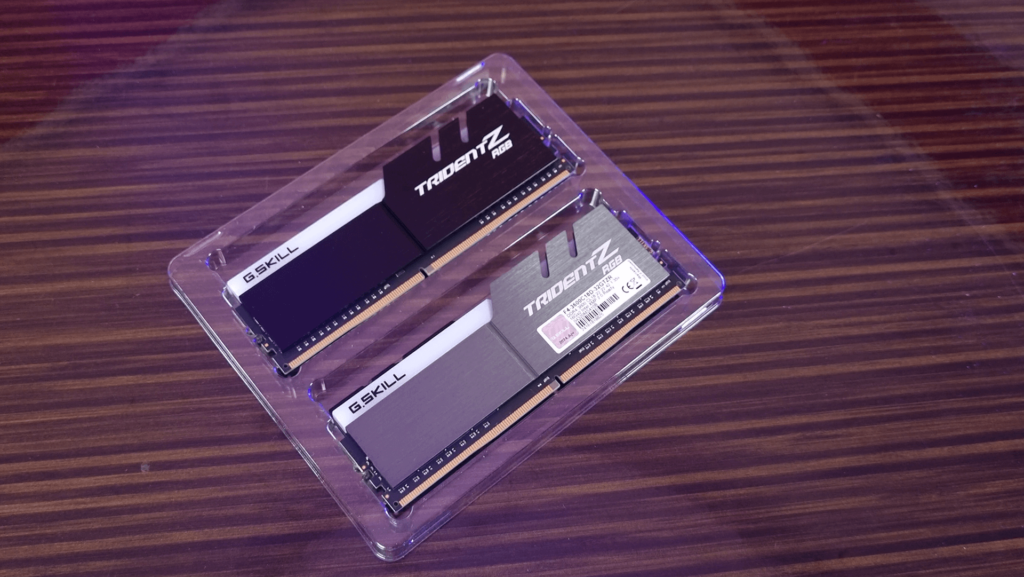
DDR4 has been in the market for years and is now a fully mature technology with excellent stability and broad platform support. [web:file0] Many popular mid‑range and even high‑end gaming builds are still running 16–32 GB of DDR4‑3200 or DDR4‑3600 without any issues.
Key advantages of sticking with DDR4 in 2025:
- Proven stability: XMP/EXPO profiles on good DDR4 kits are well‑understood and generally plug‑and‑play. [web:file0]
- No platform change: You avoid the cost and hassle of motherboard and CPU upgrades.
- Sufficient performance: For most GPUs and mainstream CPUs, DDR4 does not significantly hold back performance at 1440p/4K gaming or normal productivity.
For budget‑conscious users, especially in markets where hardware is heavily taxed or import‑dependent, this stability and “good enough” performance make DDR4 very attractive in 2025.
Why RAM Is So Expensive Right Now
The story becomes more complicated because 2025 has been a brutal year for memory pricing overall. RAM, both DDR4 and DDR5, has become surprisingly expensive for PC builders compared to early‑2024.

Several industry factors are driving this spike:
- AI and data center demand: Cloud providers and AI data centers are buying enormous amounts of high‑end memory (DDR5, HBM, server DRAM), pushing manufacturers to prioritize these segments over consumer DIMMs.
- Shift away from DDR4 production: Big memory vendors have been reducing DDR4 output to focus on DDR5 and advanced products, creating DDR4 scarcity and sharp price increases.
- Speculation and stockpiling: With news of price hikes, distributors and some retailers stockpile RAM, which further annoys the retail market.
Some reports note that DDR4 spot prices in 2025 have at times doubled or tripled within months, sometimes reaching parity with or even exceeding DDR5 on a per‑GB basis. At the same time, DDR5, while still more expensive in absolute terms per kit, has seen a more moderate, steady rise of a few percent per quarter before sudden late‑2025 spikes in some regions.
For end users, the bottom line is simple: this is a bad year to buy RAM impulsively.
DDR4 vs DDR5 RAM in 2025: Key Differences
| Aspect | DDR4 in 2025 | DDR5 in 2025 |
| Typical speeds | 2666–3600 MT/s for most users | 5200–7200 MT/s common on mainstream kits |
| Price trend 2025 | Highly volatile; in some periods prices doubled or tripled due to reduced production and AI demand | Generally higher per kit but more stable; later in 2025 some regions see 80–130% hikes from shortages |
| Platform support | Older Intel platforms and AMD AM4; widely available in used market | Required for new Intel and AMD platforms (e.g., latest Intel Core, AMD AM5) |
| Real‑world gaming gains vs itself | Mature, good enough; no big changes now | 5–15% uplift vs DDR4 in CPU‑bound scenarios; small gains at high resolutions |
| Maturity and stability | Very mature; XMP/EXPO profiles are reliable and well‑tested [web:file0] | Still evolving; higher frequencies and tighter timings improving each generation [web:file0] |
| Best use case | Extending life of an existing system without changing platform | Building a brand new PC on modern CPU platforms and planning for the long term |
When Skipping DDR5 Makes Sense
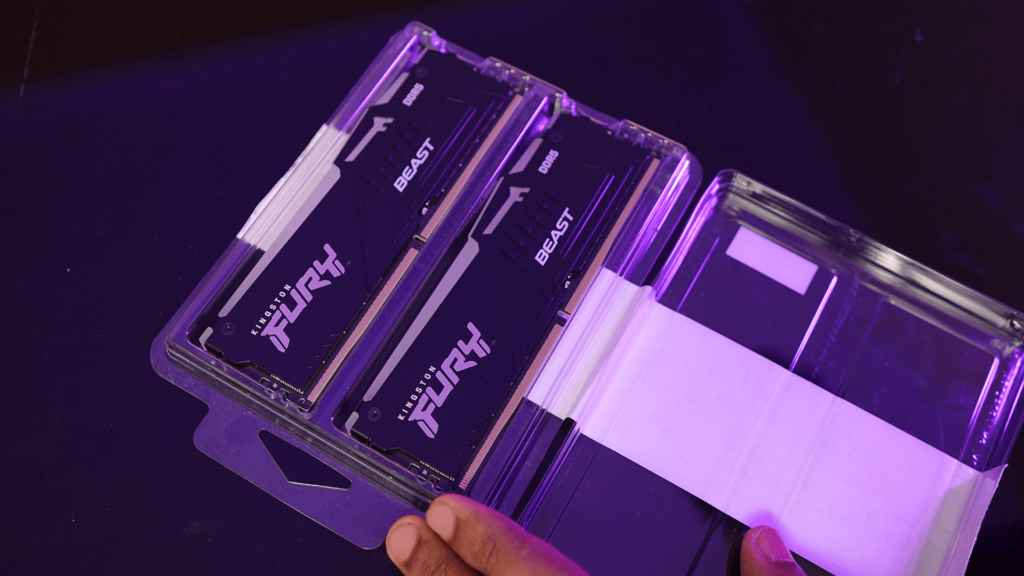
For many users in 2025, especially those already on a solid DDR4 build, skipping DDR5 for now is a rational decision. [web:file0] It makes sense to hold off in these situations:
- Your PC already runs modern games well at 1080p/1440p and you are GPU‑bound.
- You would need to buy a new motherboard and CPU just to support DDR5.
- Your main bottlenecks are GPU, SSD speed, or storage space, not RAM capacity or speed.
- RAM prices in your region are unusually high due to current market spikes.
In these cases, money is often better spent on:
- A stronger GPU for gaming.
- A larger or faster NVMe SSD for creators.
- Better cooling or PSU to support future GPU upgrades.
A targeted upgrade like GPU or SSD usually has a much more visible impact on performance and user experience than replacing your whole platform just to adopt DDR5.
When DDR5 Is Actually Worth It
Despite all the reasons to wait, DDR5 is absolutely the right choice in some scenarios.
Upgrade to DDR5 confidently if:
- You are building a completely new PC on the latest Intel or AMD platform anyway.
- You do high‑refresh 1080p competitive gaming with a strong CPU and GPU and care about every extra frame.
- You work with workloads that are known to be memory bandwidth‑sensitive (certain simulations, some professional content creation and AI workflows).
- You plan to keep the platform for 4–6 years and want better long‑term support and resale value.
In a new build, the cost difference between a DDR4‑only platform and a DDR5‑only platform is no longer as extreme as it was in 2021–2022, and the industry is clearly standardizing on DDR5. For future‑proofing a completely new system, going DDR5 now makes sense, even if short‑term gains are modest.
Practical Recommendation for 2025
Taking everything into account, the most balanced recommendation for DDR4 vs DDR5 RAM in 2025 is:
- Keep DDR4 if you already have a decent system and your main workloads run fine. Focus on GPU, SSD, and quality PSU upgrades instead of chasing memory bandwidth. [web:file0]
- Choose DDR5 if you are building a brand‑new PC on a modern platform or upgrading from a very old system where a full platform change is unavoidable anyway.
- Be patient with RAM purchases as 2025 pricing is inflated by AI demand and production shifts; if you do not urgently need more capacity, waiting can save a lot of money.
This way, you can create content explaining to your audience that DDR5 is indeed the future, but in the current price environment, smart timing and platform planning matter more than blindly chasing the latest RAM standard.