
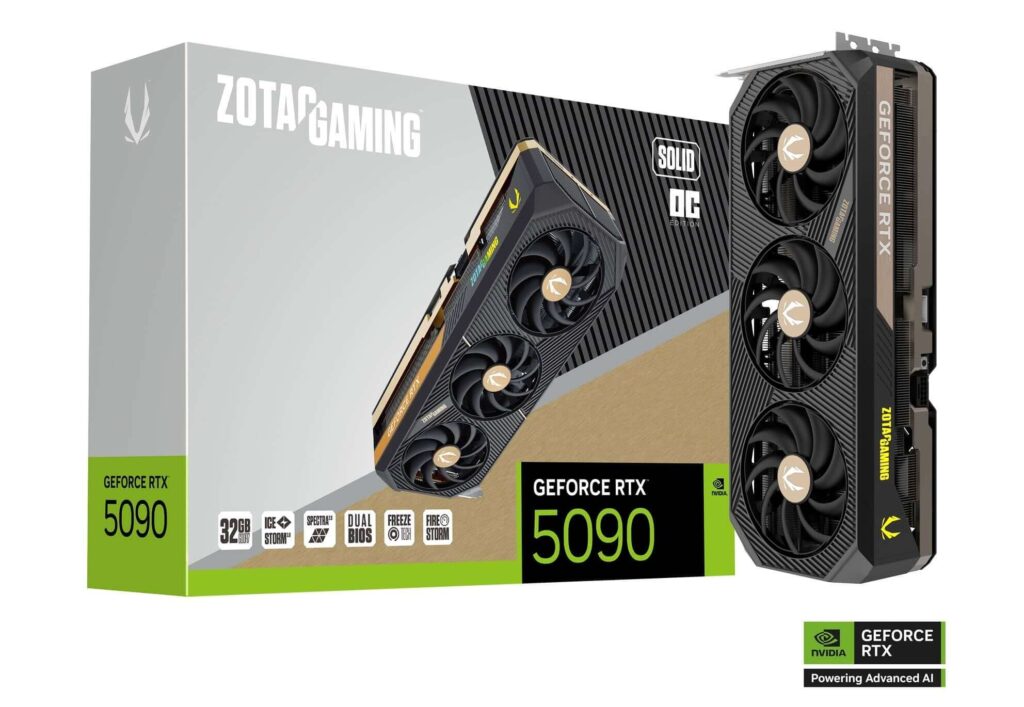
If you’ve browsed for a new graphics card lately, you’ve probably noticed something unsettling: GPU prices aren’t just high—they’re climbing every year. What used to be a straightforward upgrade path for gamers and creators now feels like navigating a volatile stock market. From flagship RTX 5090s crossing the ₹4 lakh mark in India to mid-range cards seeing double-digit percentage hikes, the trend is clear and frustrating.
But this isn’t random. Behind every price tag is a complex web of supply chain dynamics, technological shifts, and market forces. Let’s break down why GPUs are getting more expensive—and why relief might not come soon.
The AI Boom Is Eating Memory Supply
The single biggest driver of rising GPU prices in 2025–2026 is the explosive demand for artificial intelligence infrastructure. AI data centers require massive amounts of high-bandwidth memory (HBM) and advanced DRAM—resources that are now being prioritized over consumer-grade GDDR6/GDDR7 memory used in gaming GPUs.
Also Read: Why Can’t PCs Use HBM Memory? The Real Reasons Explained
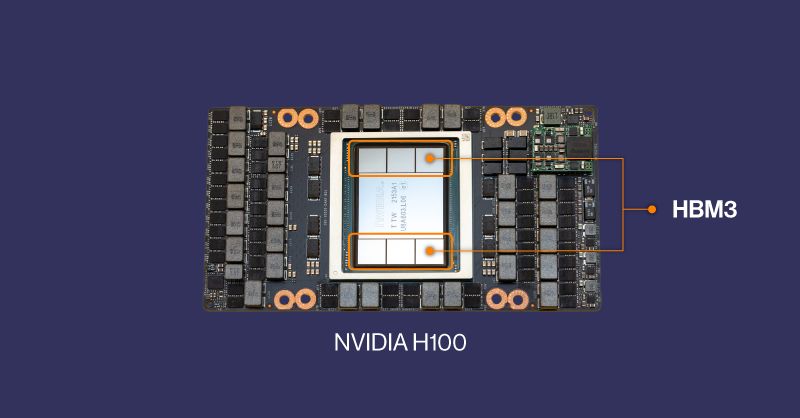
Memory manufacturers like SK Hynix, Samsung, and Micron have redirected production capacity toward HBM3e and HBM4 for AI accelerators (like NVIDIA’s Blackwell and AMD’s MI300 series). This shift has created a severe shortage of video memory chips for consumer GPUs. Since memory can account for up to 80% of a GPU’s bill-of-materials cost, even small supply constraints translate into sharp retail price increases.
For example, GDDR6 spot prices have tripled from around $2.50/GB in late 2025 to nearly $7.50/GB by mid-2026. That’s a direct cost passed on to you—the end buyer.
NVIDIA and AMD Are Responding to Market Reality
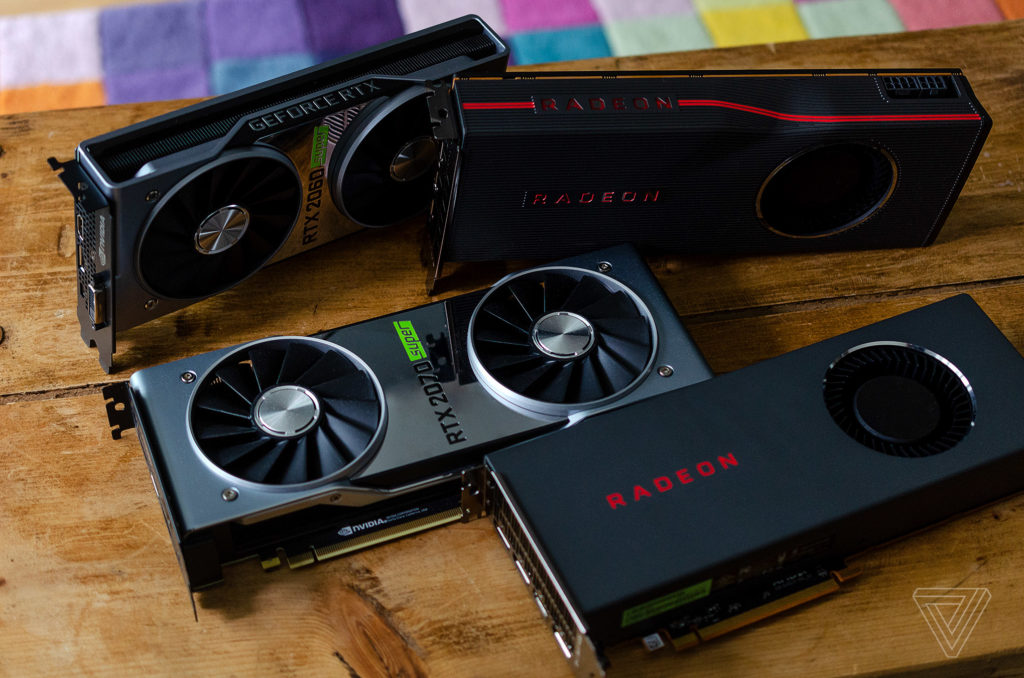
Both NVIDIA and AMD have officially acknowledged these cost pressures. In August 2026, NVIDIA notified customers of over 15% price hikes on AI server GPUs, while retail RTX 50-series cards saw increases of up to 39% above MSRP. AMD followed with at least a 10% price bump across its Radeon lineup.
These aren’t arbitrary decisions. With memory costs surging and AI demand absorbing production capacity, GPU makers have little choice but to raise prices to maintain margins. In some cases, analysts suggest companies are even hiking prices beyond pure component costs—capitalizing on inelastic demand from enthusiasts and professionals who need the latest hardware.
The result? A GeForce RTX 5090 that launched at $1,999 now sells for nearly $4,829 in the U.S.—and significantly more in India due to import duties and taxes.
Supply Chain Bottlenecks Beyond Memory
While memory is the headline culprit, other supply chain constraints are compounding the problem:
- Advanced packaging limits: TSMC’s CoWoS (Chip-on-Wafer-on-Substrate) capacity—critical for stacking GPU dies with HBM—is fully booked through 2027, with NVIDIA reportedly securing ~60% of available output.
- Wafer allocation: Every silicon wafer routed to AI chips is one less available for gaming GPUs. Foundries simply can’t expand fast enough to meet both demands.
- Logistics and tariffs: For Indian buyers, additional costs come from import duties (often 28–42% on electronics), GST, and fluctuating currency exchange rates.
These factors create a perfect storm where supply can’t keep up with demand—especially as AI inference workloads now exceed training demand, keeping pressure on high-end GPU production.
The “Luxury Item” Shift in GPU Marketing
There’s also a strategic shift in how GPUs are positioned. With crypto mining no longer driving bulk purchases (post-2022 crash), and enterprise/AI buyers willing to pay premium prices, GPU makers are increasingly treating high-end cards as luxury or professional tools rather than mass-market gaming products.
This is evident in:
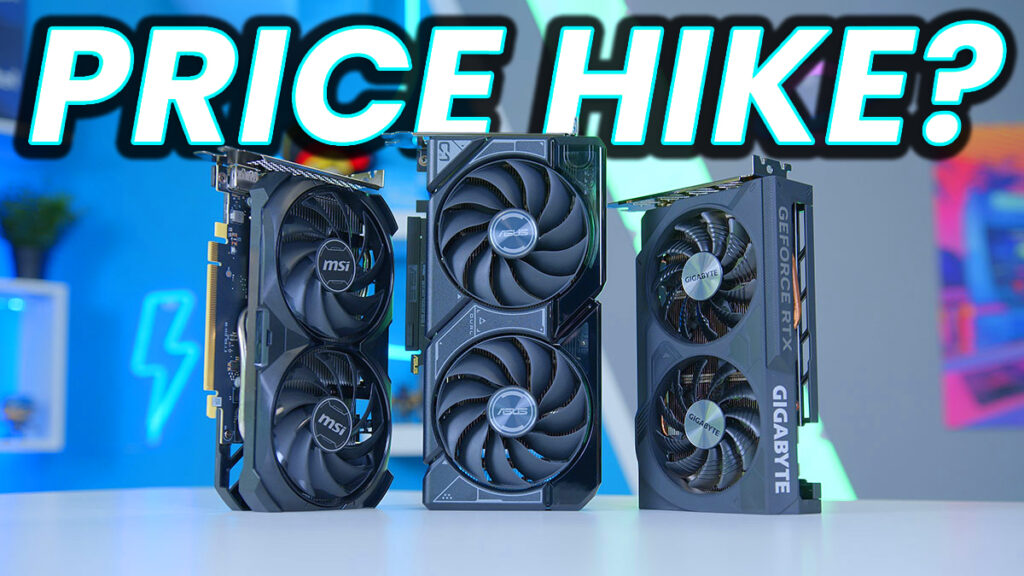
- Reduced production of mid-range SKUs (e.g., RTX 5060 Ti variants often sell out or vanish).
- Premium pricing on “founder editions” and limited-run models.
- Bundling strategies that push buyers toward higher-tier cards.
For the average gamer in Kolkata or Delhi, this means the “sweet spot” GPU (like a former RTX 3060 or RX 6700 XT) now costs 2–3× what it did three years ago—without proportional performance gains.
What This Means for You (Especially in India)
If you’re building a PC for gaming, content creation, or even light AI work in 2026, here’s the reality:
- Budget builds are harder: Entry-level GPUs like the RTX 5050 or RX 9060 XT still offer value, but even these have seen 10–20% price hikes since early 2026.
- High-VRAM cards are hit hardest: Models with 16GB+ VRAM (e.g., RTX 5060 Ti 16GB) carry the steepest premiums due to memory scarcity.
- Waiting may not help: Analysts don’t expect meaningful memory supply relief until 2027–2028. Deloitte and Gartner both project the shortage to persist through at least H1 2027.

For Indian buyers, timing your purchase around festival sales (Diwali, Amazon Great Indian Festival) or considering previous-gen cards (like RTX 4070 Super or RX 7800 XT) might offer better value than chasing the latest launch.
Also Read: RTX 5060 Ti vs RX 9060 XT for GTA 6: Which GPU Should You Buy in 2026?
Is There Any Hope on the Horizon?
Not immediately. New memory fabrication plants take 3–5 years to come online, and AI demand shows no signs of slowing. However, a few potential relief points exist:
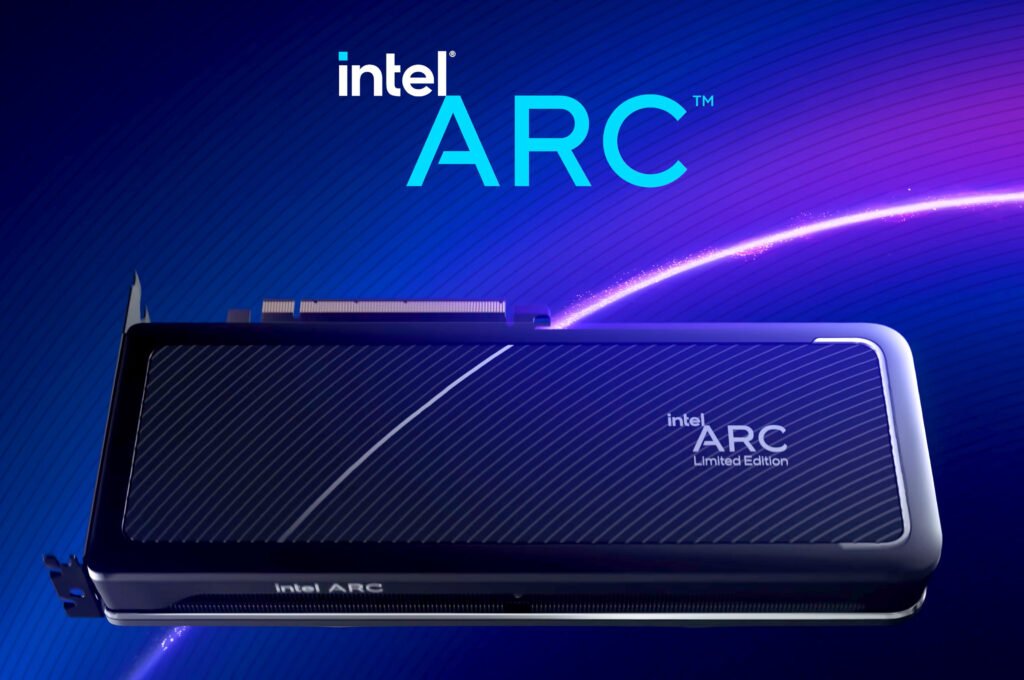
- Intel’s Arc B-series: Intel is ramping up production of its B580 and B570 GPUs, which use more readily available memory configurations.
- AMD’s value push: Despite price hikes, AMD still positions Radeon cards slightly below GeForce equivalents—offering marginal savings for budget-conscious builders.
- Cloud alternatives: For AI or rendering workloads, cloud GPU rentals (though also rising in price) may defer the need for expensive local hardware.
But for pure gaming? The era of sub-₹30,000 high-performance GPUs is likely over for now.
Also Read: [BEST] Games for 8GB RAM PC Without GPU in 2026
Final Thoughts
GPU prices are rising not because companies are greedy (though margins matter), but because the tech landscape has fundamentally shifted. AI’s insatiable hunger for memory has rewritten the rules of semiconductor economics—and gamers are paying the price.
If you’re planning a build in late 2026, focus on value tiers, consider last-gen deals, and avoid expecting “affordable” flagships anytime soon. The GPU market won’t normalize until memory supply catches up—and that’s still 12–24 months away.
Until then, every rupee you spend on a graphics card is a vote in a global tug-of-war between AI data centers and PC gaming. And right now, AI is winning.
Citations:
[1