
If you’ve tried to build or buy a gaming PC in 2026 and felt the price shock, you’re not imagining it. Across GPUs, RAM, and even SSDs, costs have climbed sharply—and the biggest reason isn’t miners or scalpers this time, it’s AI.
The AI memory squeeze: the core driver
The single biggest factor is a global memory shortage driven by the AI boom. Training and running large AI models requires massive amounts of DRAM and high-bandwidth memory (HBM), so hyperscalers and data-center builders are buying up chip supply in bulk.
Also Read: Why Can’t PCs Use HBM Memory? The Real Reasons Explained
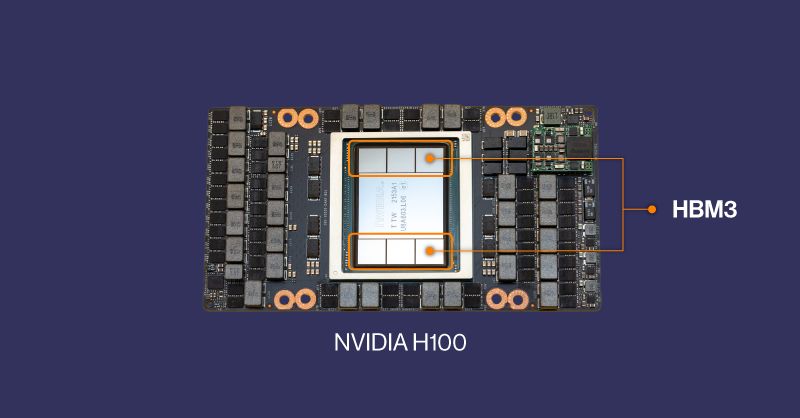
Because HBM and server DRAM pay better margins, memory makers (Samsung, SK Hynix, Micron) have shifted wafer capacity toward AI-focused products. That leaves less capacity for the GDDR6/GDDR7 memory used on gaming GPUs and the DDR5 used in gaming PCs.
The result: GDDR and DRAM spot/contract prices have surged—reports note GDDR7 modules tripling in cost versus prior generations, and DDR5 prices also jumping sharply. GPU vendors like Nvidia and AMD have passed these higher memory costs down by raising the price of GPU+memory “kits” sold to board partners multiple times in 2026.
GPUs: the biggest hit to your budget
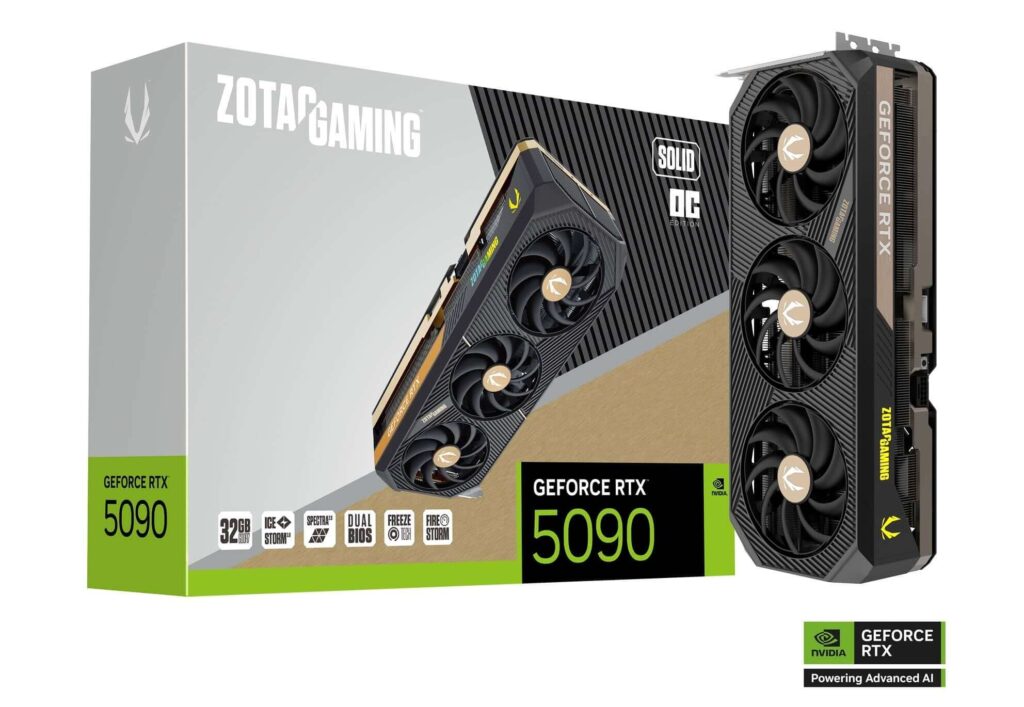
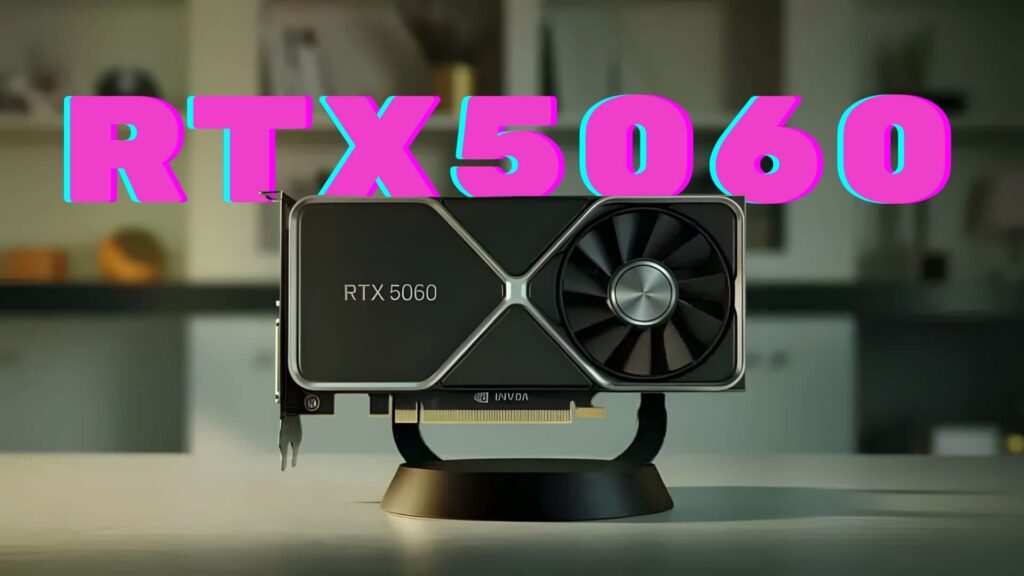
Graphics cards are where you feel this most. High-end models like the RTX 5090 have seen median street prices climb past $4,600–$5,000 in 2026, far above earlier MSRP expectations. Even mid-range segments are affected because the memory shortage is systemic, not limited to flagship cards.
Two dynamics make it worse for gamers:
- Production prioritization: Nvidia and others are steering wafers toward high-margin AI accelerators instead of gaming GPUs, tightening supply.
- Component ripple effects: Beyond memory, shortages and price hikes in other parts (like MLCC capacitors) add to the bill of materials for GPUs.
RAM and SSDs: not just GPUs anymore
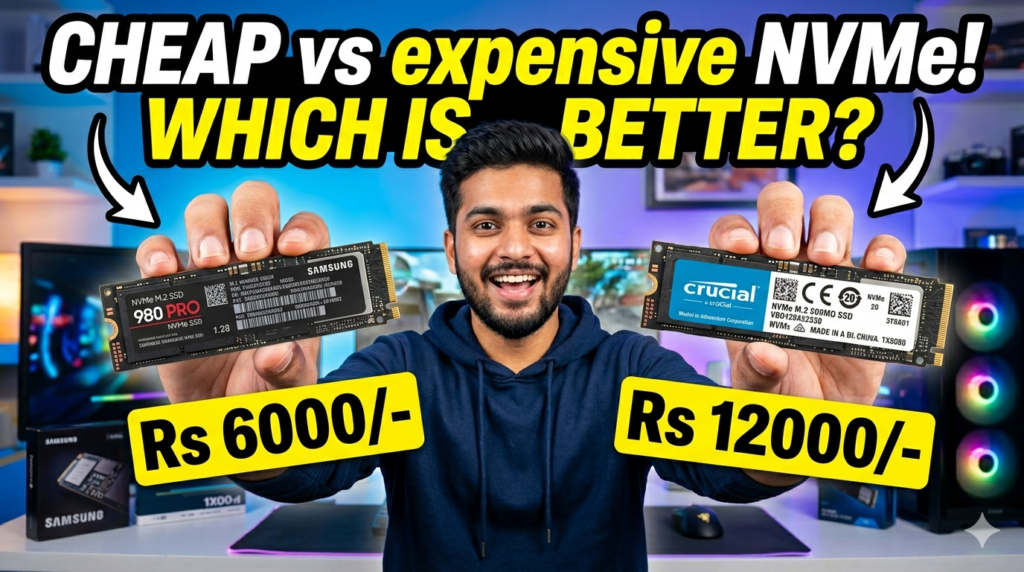
Gaming PCs aren’t just about the GPU. System memory (DDR5) and fast NVMe SSDs have also become significantly more expensive in 2026. AI data centers absorb large volumes of DRAM and NAND flash, reducing what’s available for consumer PCs and laptops.
Also Read: DRAM vs DRAM-less SSD – Which One Should You Buy?
Some analyses note memory now represents around 23% of a PC’s bill of materials in 2026, up from roughly 16% the year before—so even a “balanced” build feels pricier. Handheld gaming PCs illustrate this clearly: with DDR5 costs tripling, many devices have jumped 35–50% in price.
India-specific context: why it hits harder locally
For Indian buyers, the global shortage combines with local realities:
- Import duties and taxes add layers to already-high international pricing on GPUs and components.
- Currency fluctuations can widen the gap between US MSRP and Indian street prices.
- Distributor margins and limited authorized stock during shortages often push prices above global averages.
This doesn’t change the root cause (AI-driven memory scarcity), but it amplifies the final cost you see on Indian e-commerce sites and local stores.
What this means for builders in 2026
- Expect higher baseline costs across the board, especially for GPU-heavy builds.
- Mid-range sweet spots (like 1080p/1440p builds) may offer better value than chasing top-tier cards until memory supply eases.
- If you can delay a GPU upgrade, watch for signs of memory capacity rebalancing or new product refreshes later in 2026–2027.
Bottom line
Gaming PCs are getting more expensive in 2026 because AI data centers are outbidding consumer hardware for the same memory chips that power GPUs, RAM, and SSDs. Manufacturers are facing higher input costs and tighter supply, and those costs are flowing directly into the prices you see on shelves and online. Until memory capacity shifts back toward consumer-grade products or demand cools, elevated prices are likely to persist.