
CXMT’s DDR5 journey was supposed to be simple: enter the market as a lower-cost alternative, help bring DDR5 prices down, and give builders and server buyers a new option. Instead, the story in 2026 is turning out to be much more complicated. Early testing suggests CXMT’s DDR5 is less consistent than leading alternatives, while market pricing reports show that its server modules have become expensive enough to rival or even exceed Samsung’s in some cases.
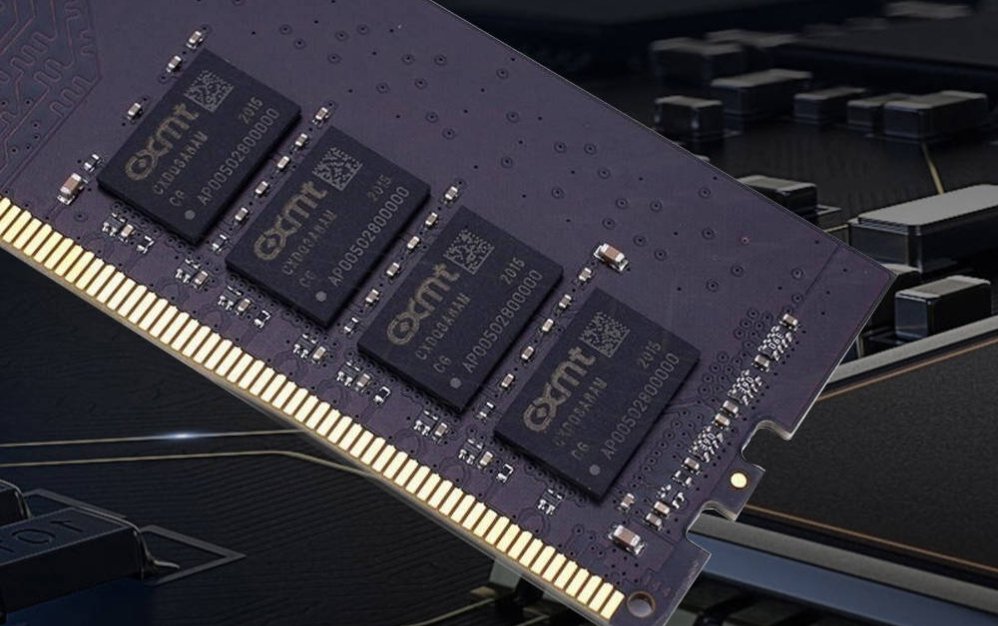
That combination matters because it changes CXMT from a possible “budget disruptor” into a case study in how fast memory markets can shift. AI demand, server shortages, and supply pressure are now pushing DRAM pricing higher, and that means even a brand associated with value can lose its price advantage. For PC users, that creates one big question: is CXMT DDR5 still worth buying?
Also Read: DDR5 Is Getting Expensive Once Again: The Silent War Between Gamers and AI Companies in 2026
What Is CXMT DDR5?
CXMT, or ChangXin Memory Technologies, is one of China’s most important memory manufacturers. Its DDR5 production drew attention because the market had been waiting for a new major supplier that could increase competition and ease pricing pressure. In theory, more supply from a new player should help stabilize the market and make DDR5 more affordable for consumers and system integrators.
That is why CXMT became such a big talking point in hardware circles. Enthusiasts, OEMs, and server buyers all saw it as a potential fourth option in a market long controlled by a small number of big players. If CXMT had delivered strong quality at a lower cost, it could have changed the shape of DDR5 pricing far beyond China.
Why CXMT Got So Much Hype
The hype around CXMT came from two simple ideas: supply expansion and lower prices. DDR5 remained relatively expensive for a long time, especially in higher-capacity kits and server modules. When a new manufacturer enters that kind of market, buyers naturally expect competition to force prices down.
CXMT also mattered strategically because memory is not just a PC component anymore. It is a key part of servers, cloud infrastructure, and AI data centers. Any company that can make DDR5 at scale has the potential to influence not just consumer pricing, but also enterprise pricing. That made CXMT’s rise interesting even for people who were not planning to buy its RAM directly.
Why DDR5 Price Reduction Was Expected
The expectation was straightforward. More competition usually means better pricing, and a lower-cost DRAM supplier should pressure established brands to cut margins. For PC builders, that would mean cheaper upgrades. For server buyers, it would mean lower BOM costs and better margins on large deployments.

CXMT looked like it could play that role because it was entering at a time when people were hungry for alternatives. DDR5 adoption had already increased, but prices were still high enough to make many buyers cautious. A new supplier with enough volume could have created meaningful relief.
AI Demand Changed the Market
The biggest reason the CXMT story has shifted is AI. Data centers running AI workloads need large amounts of memory, and that demand is creating serious pressure across the DRAM supply chain. When hyperscale buyers and server integrators need more modules, memory makers can sell into a much hotter market.
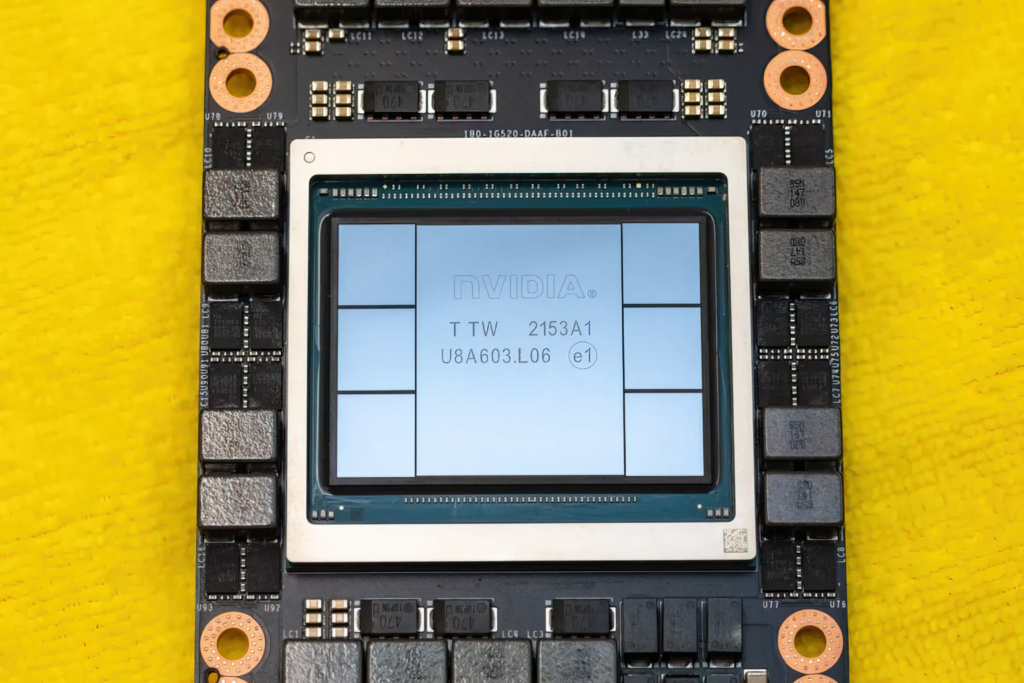
That is why the same product that was expected to become cheap can suddenly become expensive. If supply is tight and demand stays strong, even a supposed value brand can raise prices. In CXMT’s case, reports suggest that its 64 GB DDR5 server modules have become more expensive than Samsung’s in some market comparisons. That is a huge reversal from the original “budget memory” narrative.
Why CXMT RAM Became More Expensive
CXMT RAM did not get more expensive because it became a better enthusiast product. It became more expensive because DRAM pricing across the industry is under pressure from strong demand, especially from AI-related server expansion. In other words, the market is hot enough that even low-cost suppliers do not need to stay low-cost.
This is important for buyers because it shows how quickly pricing assumptions can fail. A RAM brand that was expected to undercut the market may instead follow the broader pricing trend upward. That reduces the value gap between CXMT and more established competitors.
What Tom’s Hardware Testing Revealed
The other side of the CXMT story is performance behavior. Early testing reported by Tom’s Hardware suggests CXMT DDR5 is not as consistent as SK hynix-based memory. It also appears to resist voltage scaling and offers weaker manual overclocking potential.
That matters more than it may sound at first. In memory tuning, consistency is extremely important. Buyers want RAM that can behave predictably across kits, batches, and settings. If a module is less predictable, it becomes harder to recommend for performance builds.
Overclocking Weakness Matters
For enthusiasts, overclocking is part of the value equation. A RAM kit that can run at a decent speed and still has extra headroom is often more attractive than one that merely works at stock. CXMT appears to struggle here, which weakens its appeal among PC builders who care about squeezing out maximum performance.
Weak overclocking also affects perception. If a product is no longer the cheapest option and also fails to offer strong tuning headroom, it becomes harder to justify. That is especially true in premium DDR5 builds, where buyers often compare latency, scaling, and stability very closely.
Voltage Scaling and Timing Behavior
Another issue is voltage scaling. Good DDR5 often responds well when voltage is adjusted within safe limits, allowing better clocks or tighter timings. CXMT reportedly does not scale as well, which means extra voltage does not deliver the same benefit users might expect from stronger DDR5 dies.
Timing tightening is another weak point. If timings cannot be tightened well, the RAM may look decent on paper but still underperform in real tuning scenarios. For power users, that can be a deal-breaker. It suggests CXMT is still behind the best-established DDR5 options when it comes to flexibility and headroom.
Hynix Still Looks Better
SK hynix remains the stronger reference point in this discussion. Based on early reports, Hynix-based DDR5 still appears better in consistency, tuning behavior, voltage scaling, and manual overclocking. That gives it a clear advantage for enthusiasts and builders who care about performance beyond basic stock settings.
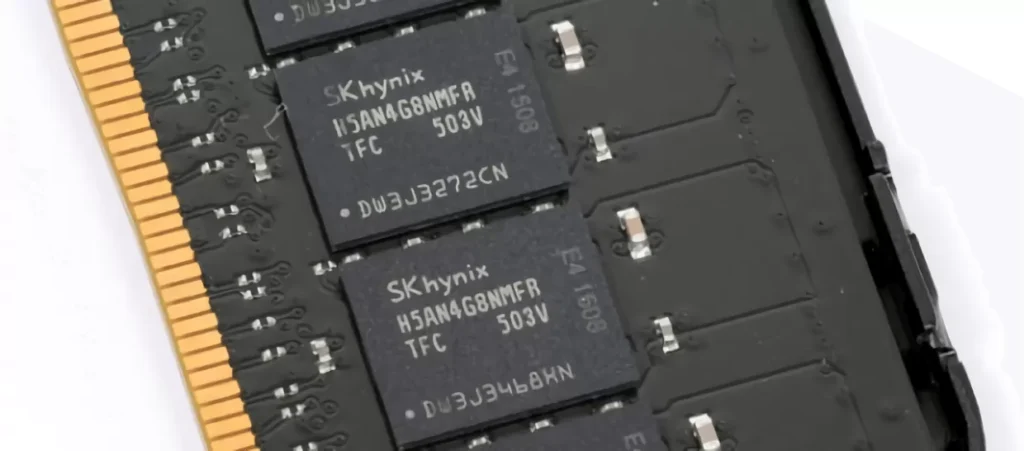
This does not mean CXMT is bad RAM in every situation. It means the market should be careful about assuming all DDR5 is equal. If you want the most reliable tuning platform, Hynix still looks like the safer and stronger choice.
Should You Buy CXMT DDR5?
The answer depends on your use case. If CXMT DDR5 is significantly cheaper than better-known options, and you only need stable stock performance, it may still be worth considering. For general office use, everyday computing, or basic server deployment, it could be perfectly adequate.
But if you are a gamer, a content creator, or someone who likes memory tuning, the answer is less favorable. CXMT currently has two strikes against it: the price advantage is fading, and the performance advantage is not clearly there. That makes it hard to recommend over SK hynix-based DDR5 unless the pricing is truly compelling.
What This Means for the DDR5 Market
The CXMT story is a warning about the current memory cycle. In a market driven by AI demand, supply shortages, and server expansion, “budget” no longer automatically means cheap. Pricing can rise quickly, and new suppliers may get pulled into the same expensive market conditions as the incumbents.
For PC buyers, that means waiting for lower DDR5 prices may not help much if the demand cycle stays hot. For server buyers, it means supply and contract pricing may matter even more than brand reputation. CXMT may still grow into an important player, but its first big moment as a value disruptor is not unfolding the way many expected.
FAQ
Is CXMT DDR5 good for gaming?
It can work for gaming at stock settings, but early testing suggests it is not the best option for enthusiasts who want tuning headroom or tighter timings.
Why is CXMT RAM getting more expensive?
AI-driven memory demand, especially from server and data-center buyers, is tightening the market and pushing DRAM prices higher across the board.
Is CXMT better than SK hynix?
Not based on early performance reports. SK hynix still appears stronger in consistency, overclocking, voltage scaling, and tuning behavior.
Can CXMT DDR5 be overclocked well?
Early reports suggest overclocking headroom is weaker than expected, and voltage scaling does not seem especially strong.
Should I buy CXMT DDR5 now?
Only if the pricing is attractive and you do not care much about tuning or enthusiast performance. For higher-end builds, better-known DDR5 options still look safer.
Final Verdict
CXMT was supposed to be the company that made DDR5 more affordable. Instead, it is now showing the limits of a “budget” label in a market dominated by AI demand and supply pressure. Early testing also suggests its RAM is not yet strong enough to challenge the best DDR5 dies on tuning and consistency.
For now, CXMT remains interesting, but not convincing as a top recommendation. If you want dependable performance and better overclocking behavior, SK hynix still looks like the better bet.